


learn more
technical info
profile
map
technical info
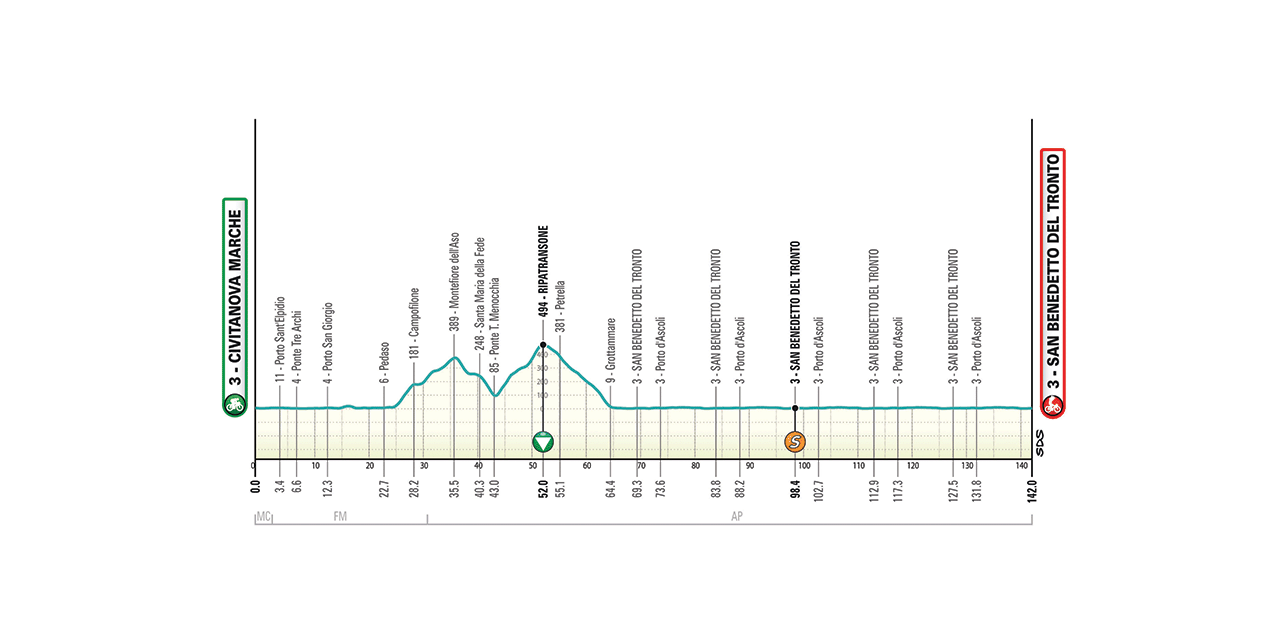
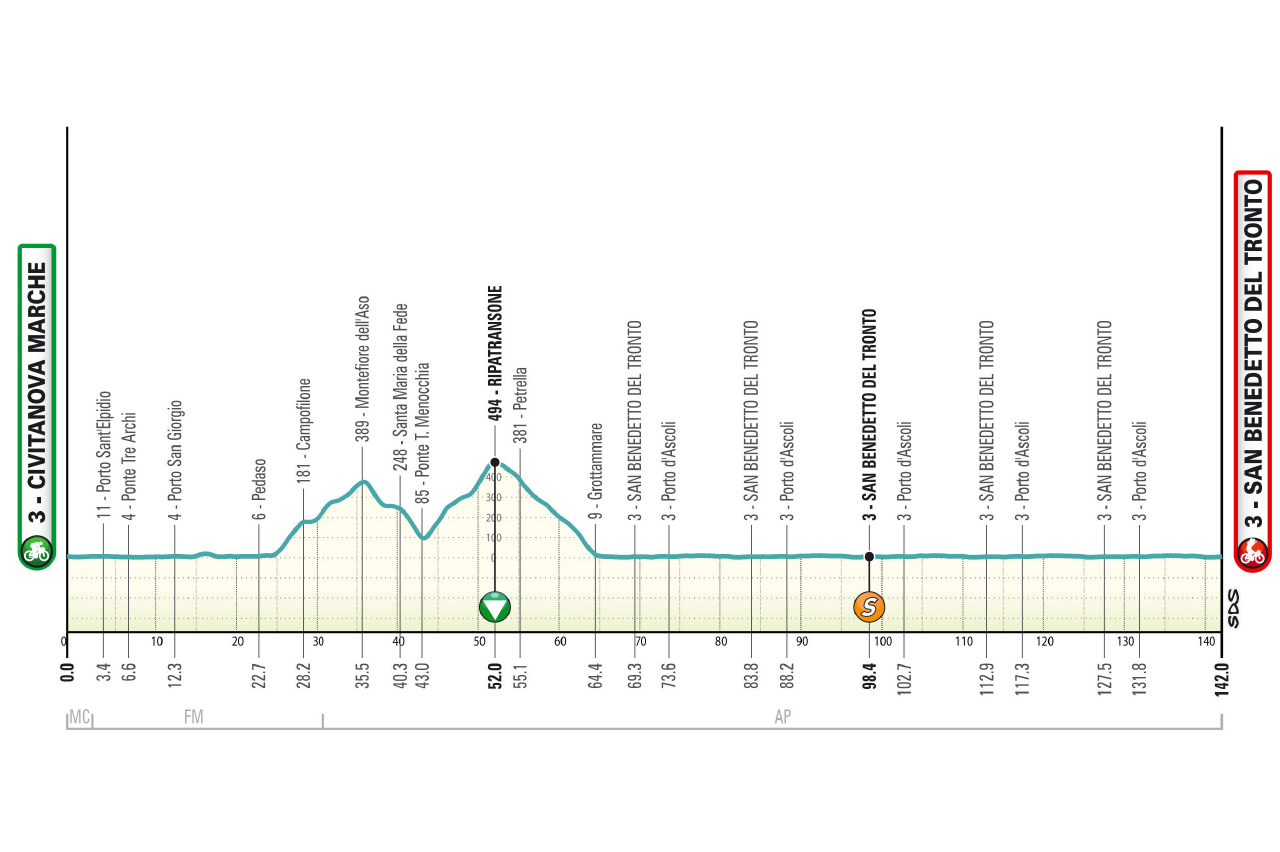
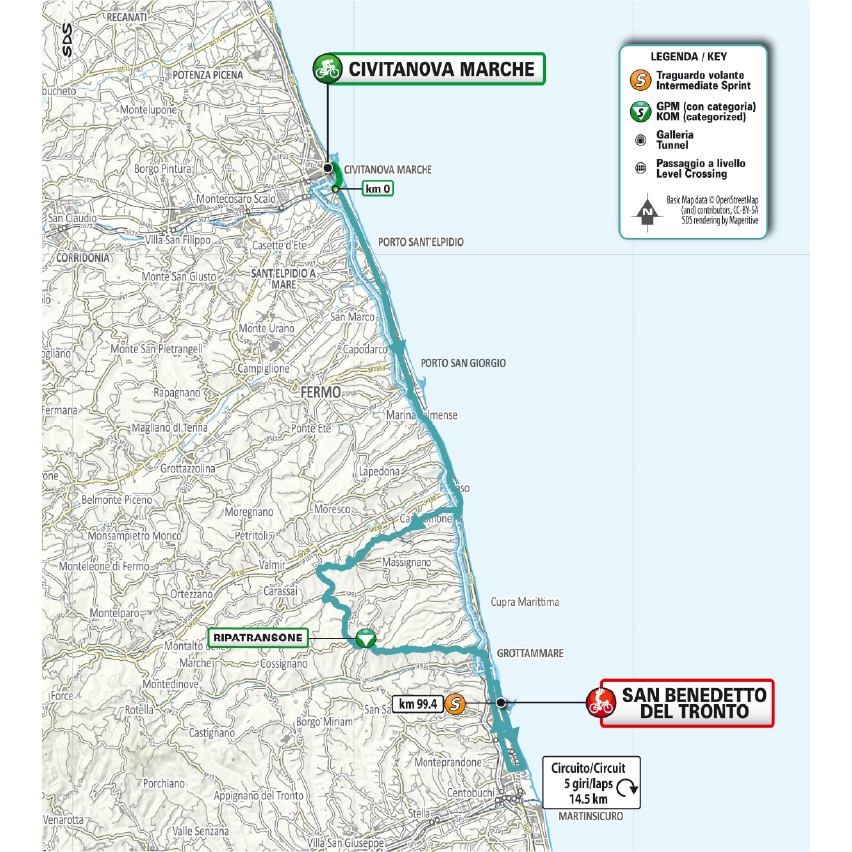
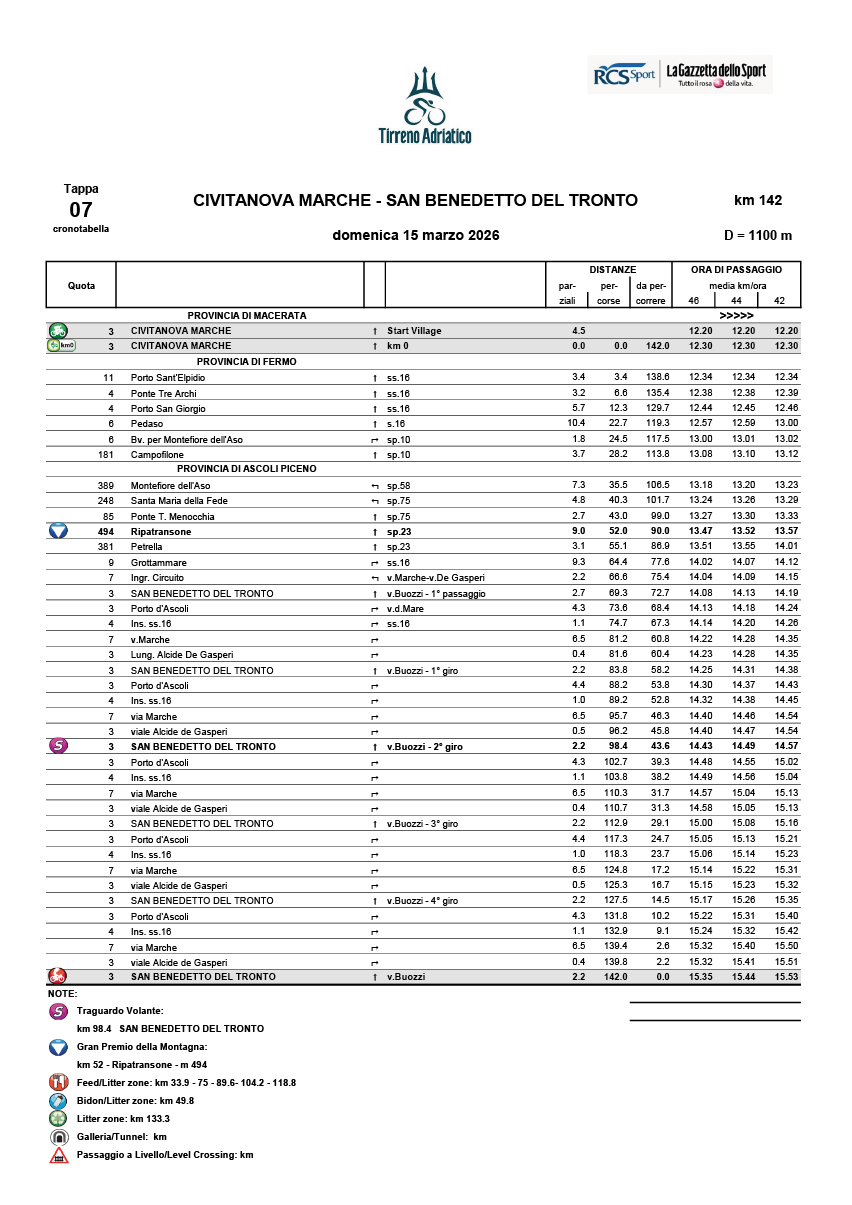
A relatively straightforward opening phase followed by an entirely flat final 80 km. The race starts along the Adriatic coast before heading inland up the Aso valley from Pedaso to climb to Montefiore d’Aso. After a short descent, the final gentle climb to Ripatransone is tackled. A long descent leads to Grottammare before entering a 15 km finishing circuit to be covered five times. The circuit is mainly on wide, straight, well-paved roads.
Final kilometers
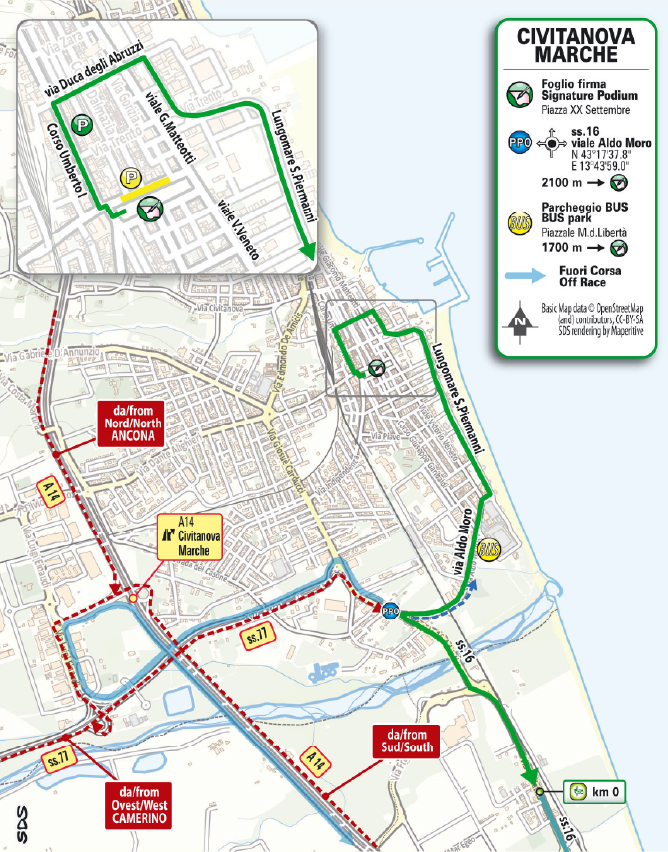
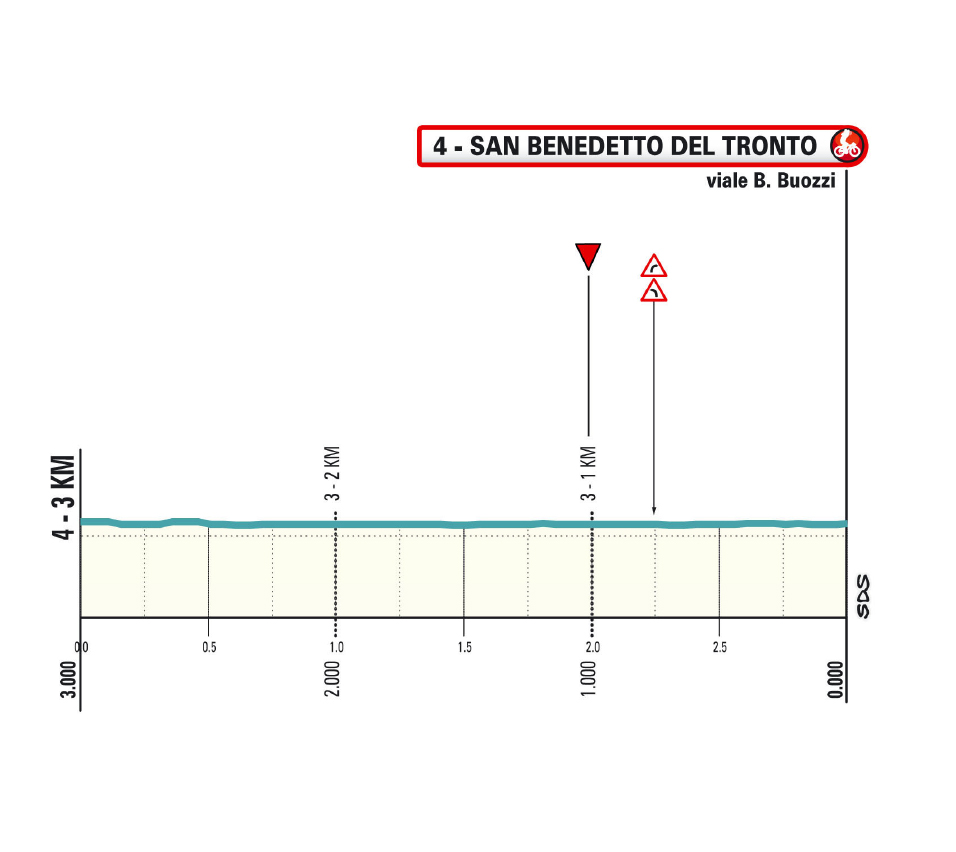
The final 3 km run along broad, mostly straight roads, with a few sweeping bends in the first section. A final double bend comes around 1 km from the finish. The carriageway is 8 meters wide, on tarmac.
start / finish
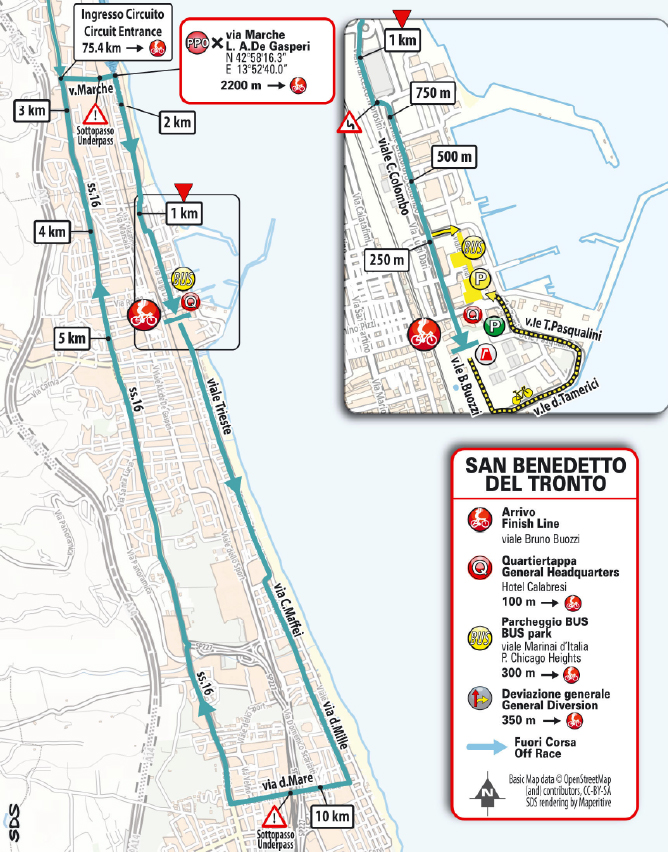
final kilometres
itinerary timetable
tourist info
Host city:
Civitanova Marche
Overview
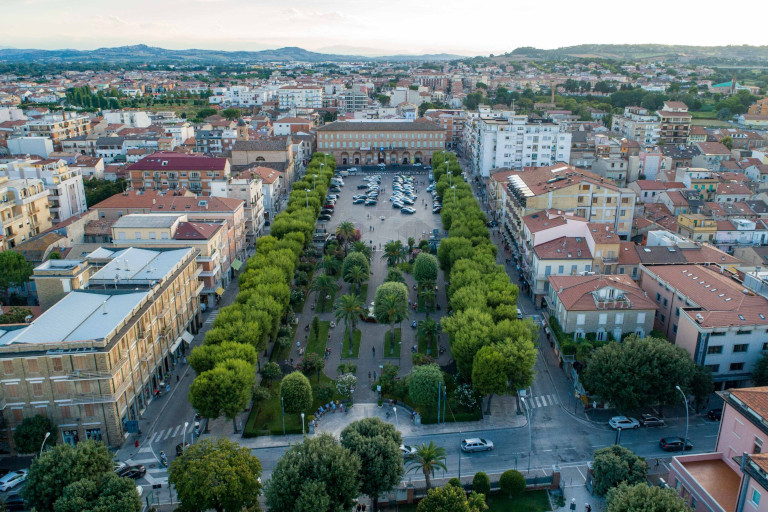
Situated on the Adriatic side, Civitanova Marche is the largest city on the Macerata coast, and the most populous in the province (42,523 inhabitants). It presents two “souls”: a historic medieval village enclosed within the hilly walls, at 155 meters above sea level, and a more modern system developed around the port and the ancient fishing district, today the primary urban center.
The ancient village of the Upper Town represents the cultural heart where the major assets of historical interest are located, as well as the Civic Art Gallery and the Museum of Graphics and Posters. The port area, on the other hand, hosts the contemporary Urban Art Museum which has over 100 murals, all works by young and renowned street-artists.
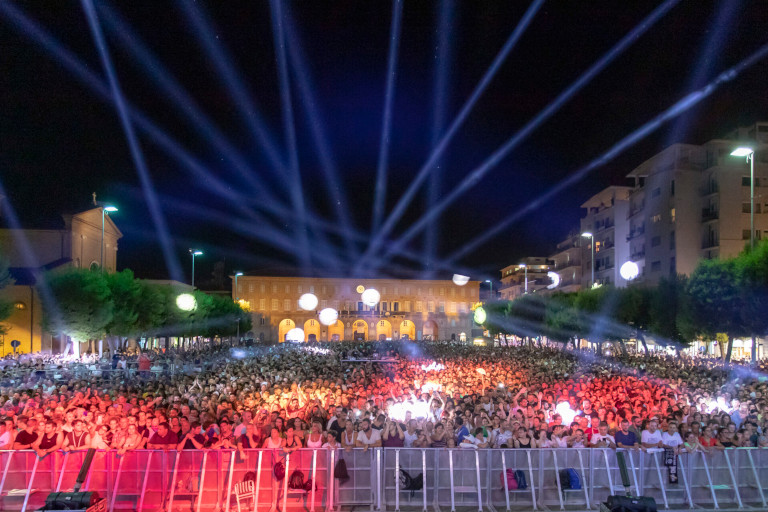
It represents a prominent center in the Marche region under the port, seaside and tourist-cultural profile, as well as with regard to artisan production in the footwear and accessories sector. It is a dynamic, served, strategic, economically active center, full of appointments, initiatives and events, which has understood its potential and therefore started a path of all-round strengthening of hospitality and enhancement policies with interventions and awards about environment, sustainable mobility and accessibility.
Food
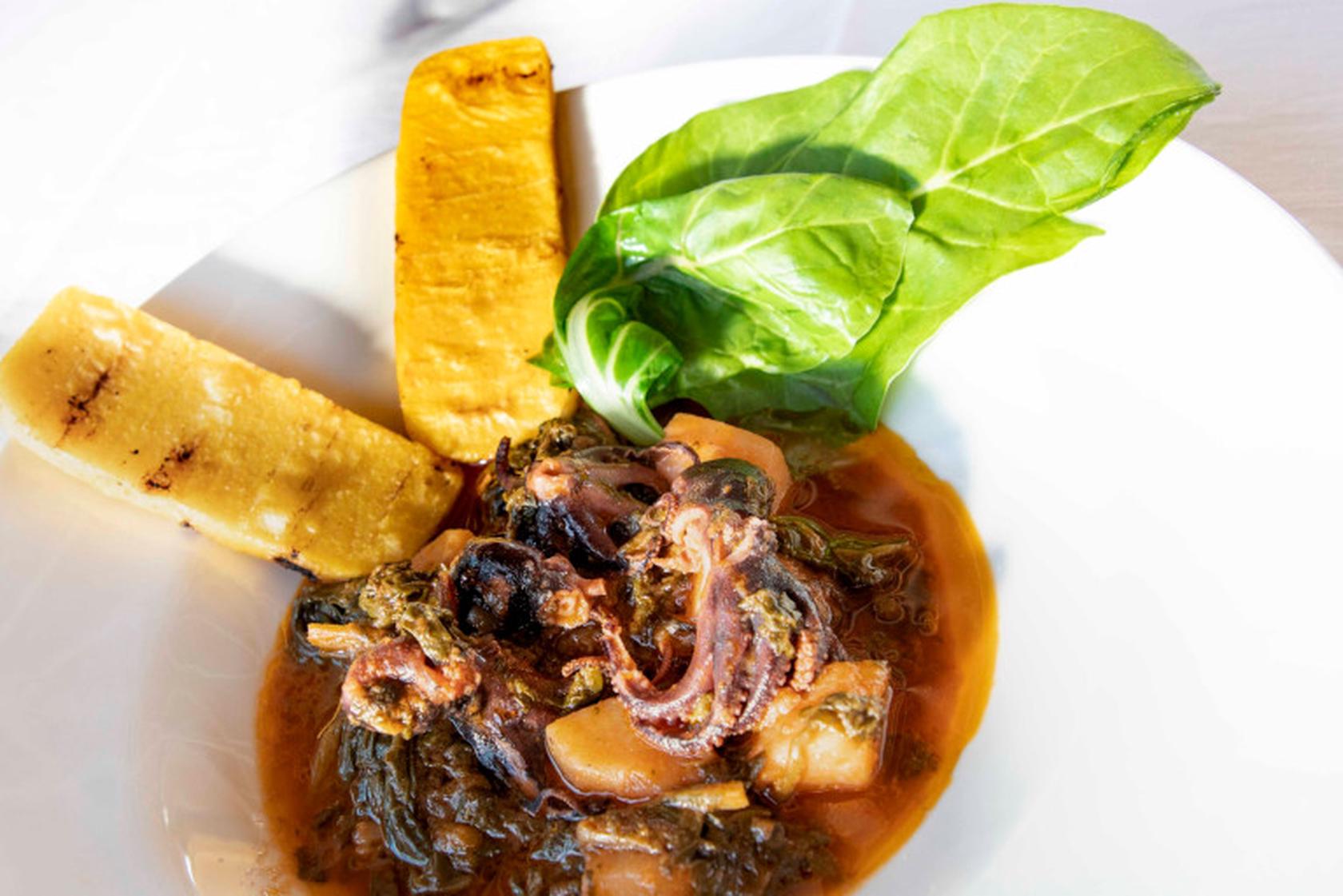
I FURBI CON L’ABBITI
“Li furbi co l’abbiti” is a traditional dish from Civitanova: small octopus with chard, rooted in maritime cuisine. A symbol of the bond between sea and land and of local home cooking.
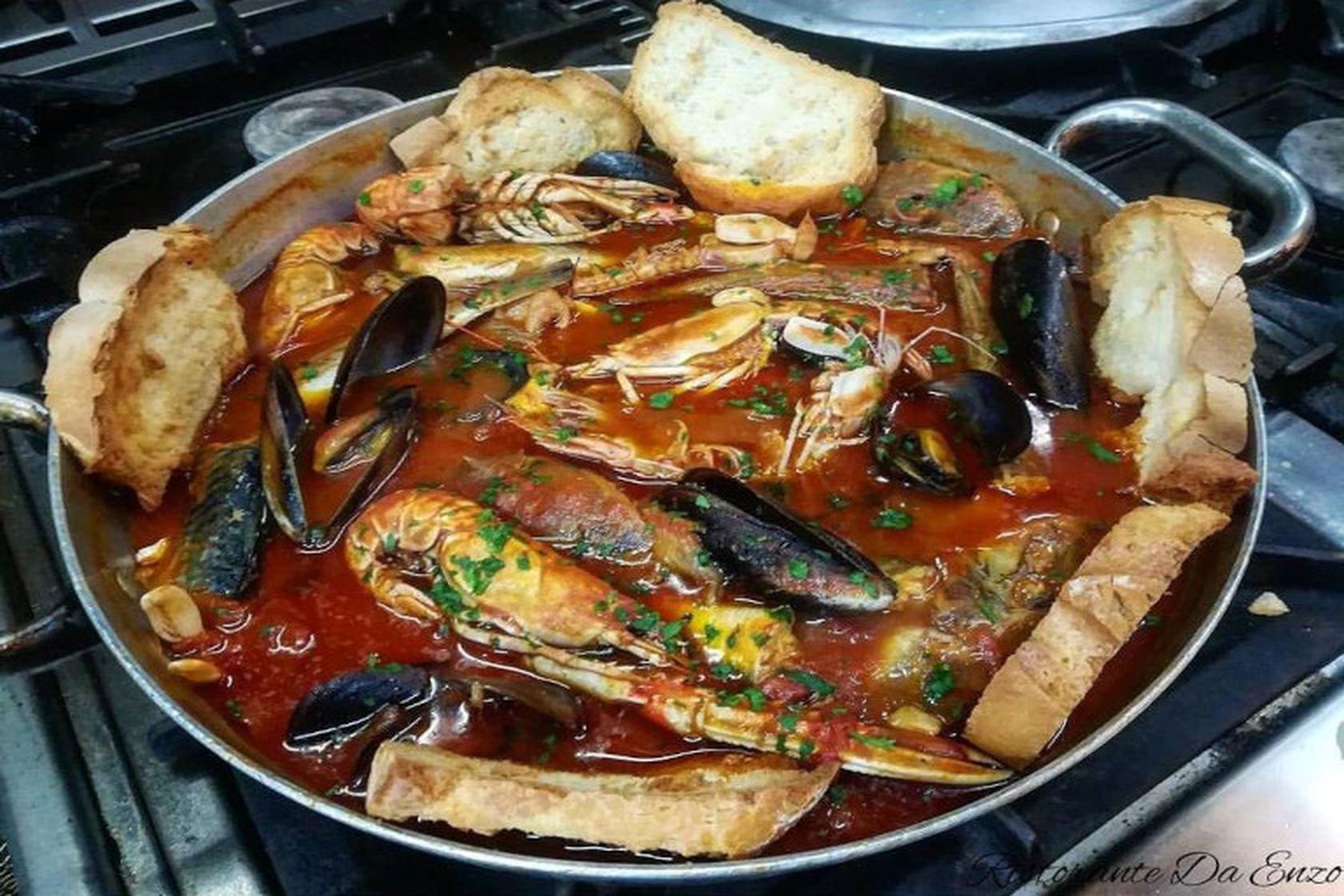
BRODETTO ALLA CIVITANOVESE
An iconic Adriatic dish born from fishermen’s cuisine. A mix of fish like scorpionfish and monkfish, with cuttlefish, shellfish and seafood: sea, flavor and tradition.
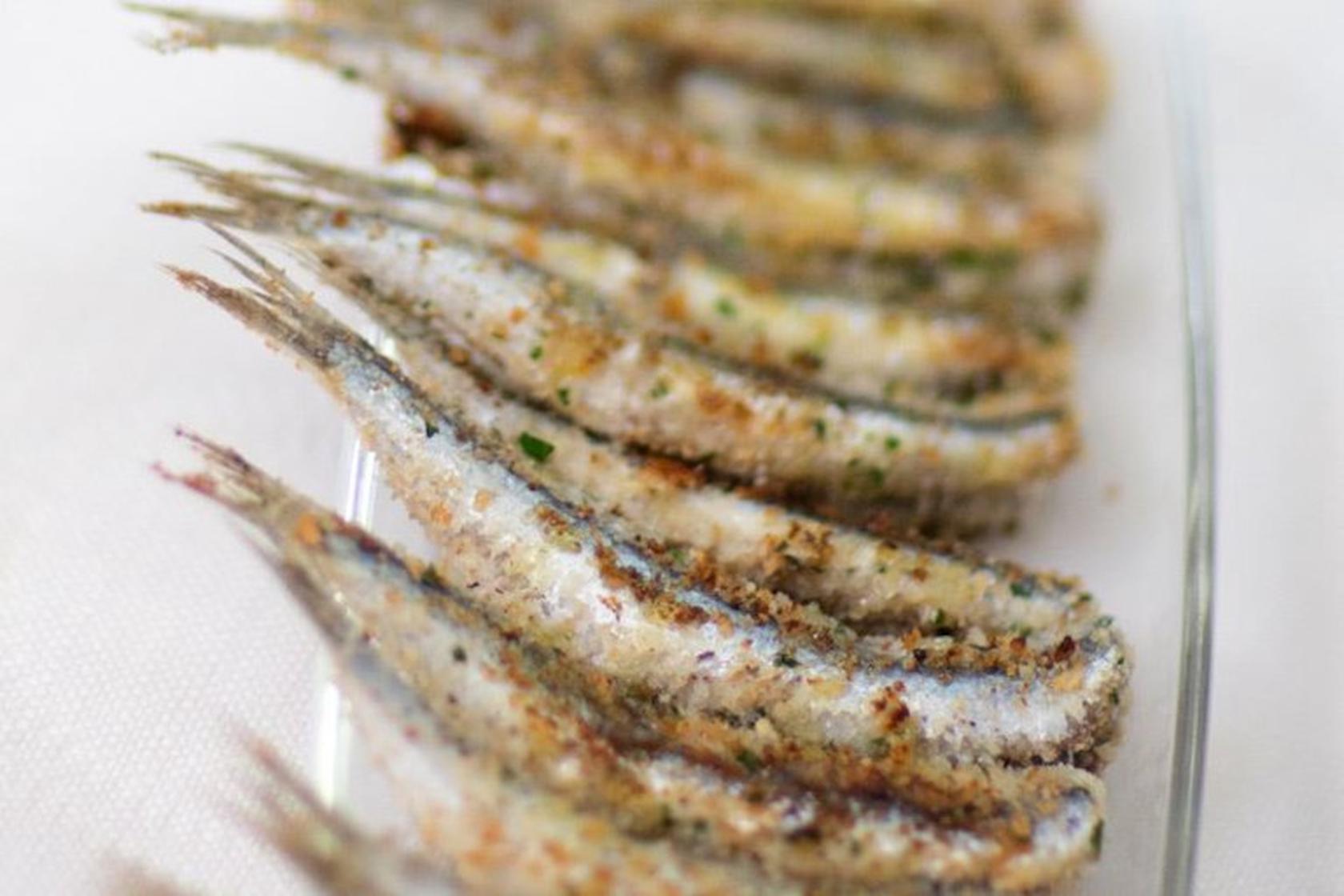
SARDONI SCOTTADITO
Scottadito are a humble dish from the Marche coast. Simple and tasty, they are eaten piping hot, straight off the grill — so hot they “burn your fingers.”
Wines
RIBONA COLLI MACERATESI DOC
Made from Ribona grapes, native to Macerata, this wine is fresh and savory. Its intense aromas are enhanced by cryo-maceration before fermentation.
Points of Interest
VECCHIA PESCHERIA
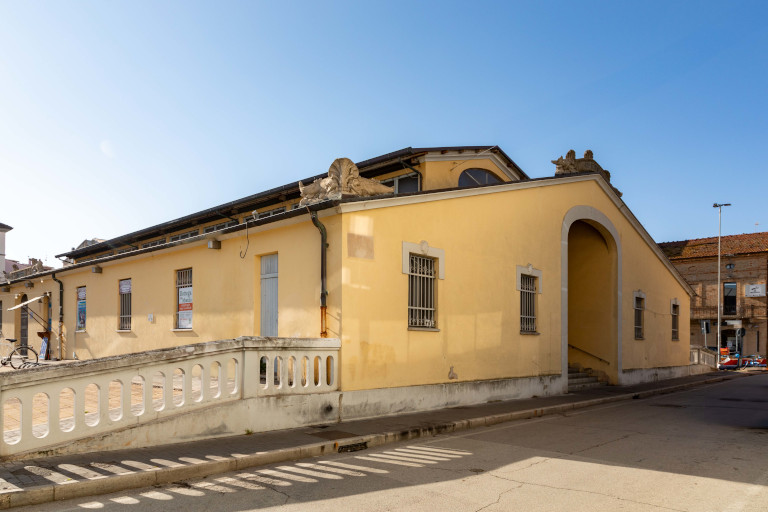
One of the most authentic corners of Civitanova Marche. Built after the First World War, the structure is an elegant example of Art Nouveau architecture, recognizable by the dolphin-shaped acroteria decorating the roof. Today it is a lively market, a go-to place for fresh fish and local products. In summer, the square comes alive with festivals and seafood proposals. Opposite stands the Monument to the Resistance by Wladimiro Tulli, which blends art and memory.
FOTOTECA COMUNALE
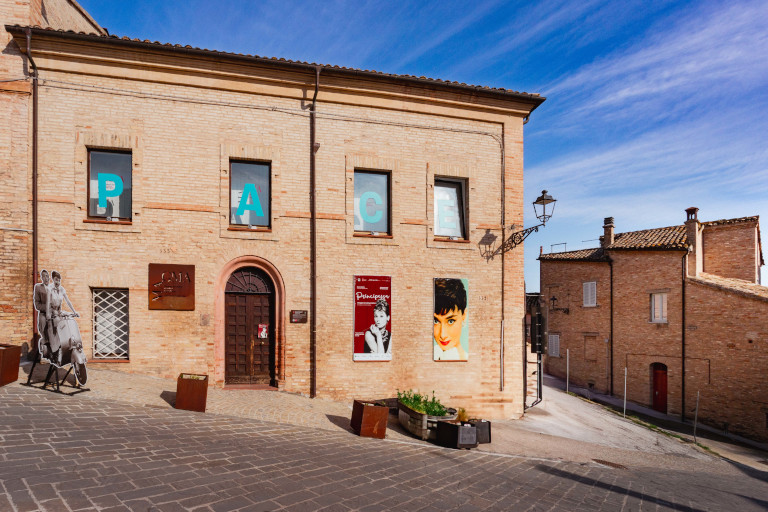
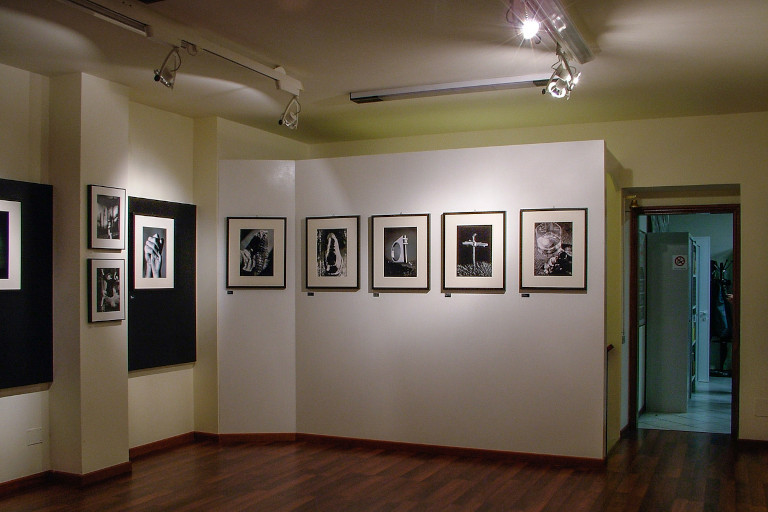
Founded in 1983 thanks to the dedication of amateur photographers from Civitanova, the Municipal Picture Library is now an important cultural landmark. Since 2004 it is located in the main square of the city, Piazza XX Settembre, and preserves over 100,000 images, including prints and negatives, telling the story of the city and Italian photography, from Neorealism to contemporary languages. Nonetheless, it is not just an archive, but a cultural hub promoting exhibitions, events, and digitalisation projects.
PINACOTECA CIVICA MORETTI
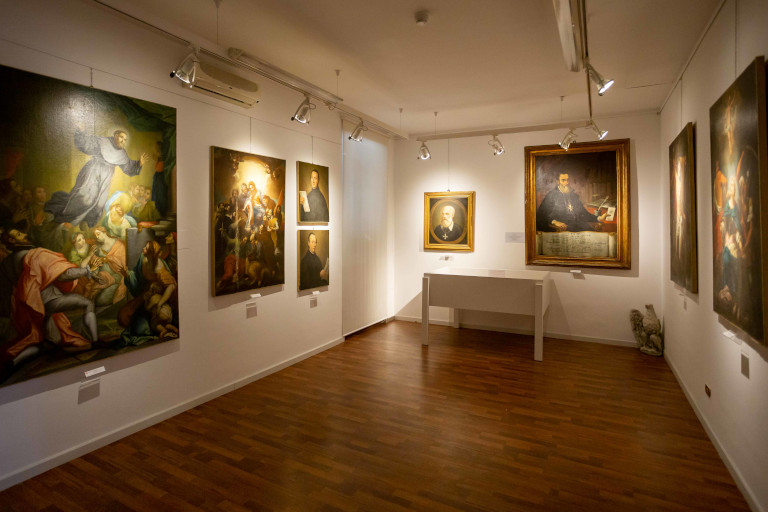
In the heart of the old town hamlet of Civitanova Alta, located in the birthplace of Annibal Caro, stands the Civic Art Gallery “Marco Moretti,” founded in 1972 thanks to a donation by Luciano Moretti. It houses 20th-century works ranging from Morandi to De Chirico, with a section dedicated to Ciarrocchi. Nonetheless, it is not only a museum, but a vibrant cultural center hosting exhibitions, educational activities, and collaborations with schools and universities.
FARO VERDE
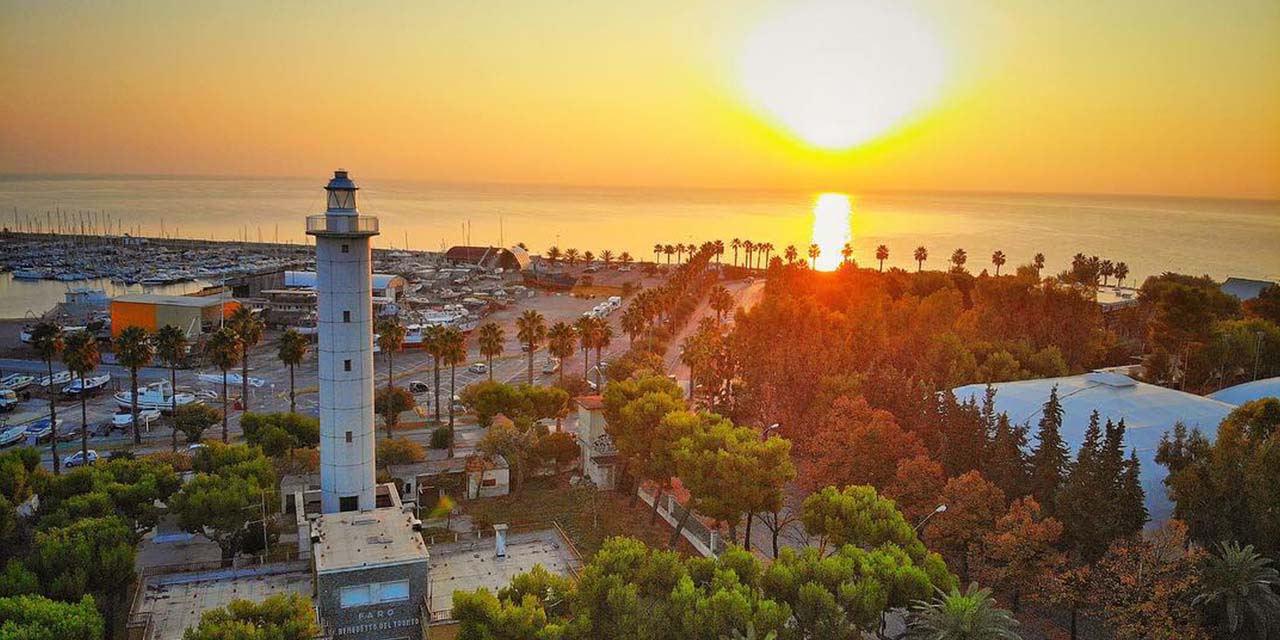
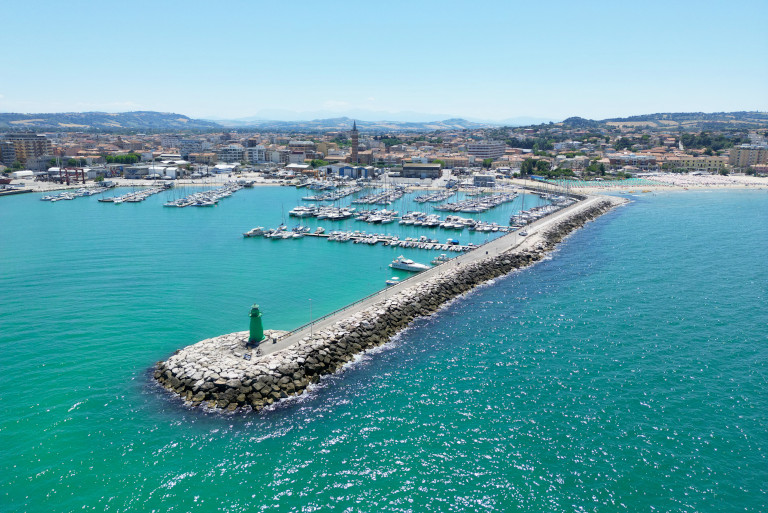
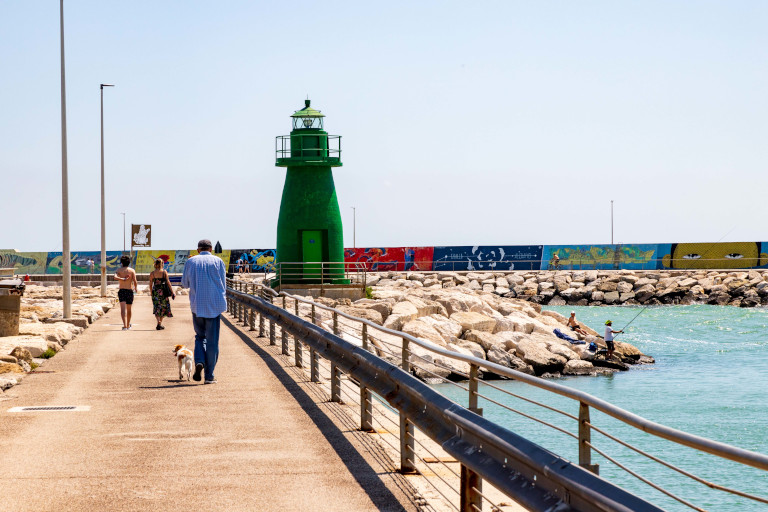
At the end of the North Pier, the Green Lighthouse is one of the most beloved symbols of Civitanova Marche. Small yet iconic, it offers stunning views of Mount Conero and the Marches region coastline. At sunset, it becomes a romantic spot, with reflections on the sea and the lights of the harbor. The walk along the pier is relaxing and perfect for experiencing the authentic spirit of the city and taking unforgettable pictures.
MUSEO MAGMA
In the heart of the old town hamlet of Civitanova Alta stands MAGMA – the Museum Archive of Graphic Design and Posters, inaugurated in 2020 thanks to the donation of over 20,000 graphic art works by Enrico Lattanzi and Cartacanta Association. It is a center dedicated to graphic design and visual communication, featuring posters by great 20th-century masters. The museum organises exhibitions and events, and promotes research and digitalisation in collaboration with schools and universities.
BORGO MARINARO
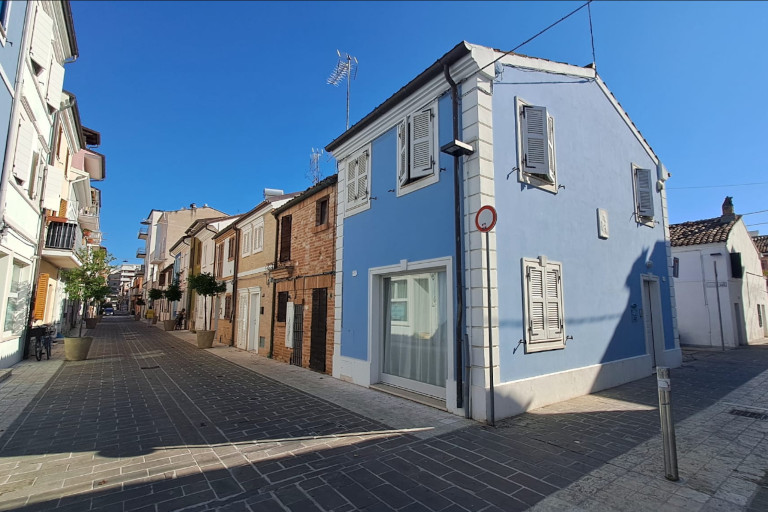
In the traditional fishing hamlet of the city center, among the ancient streets Via Conchiglia, Via Nave, Via Lido and Via Carena time seems to stand still. The 18th-century fishermen’s houses, simple and functional, preserve their original soul. Today some of the buildings host restaurants, small shops and guest-houses, while others remain untouched; an authentic memory of Civitanova’s maritime history.
MERCATO ITTICO
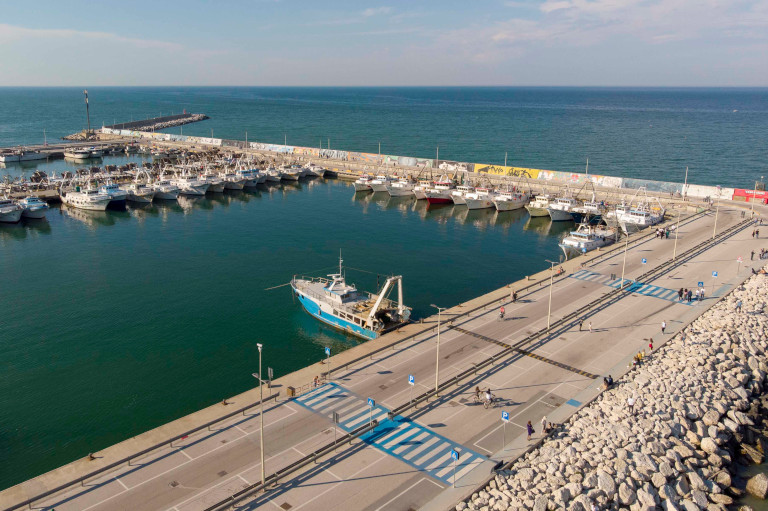
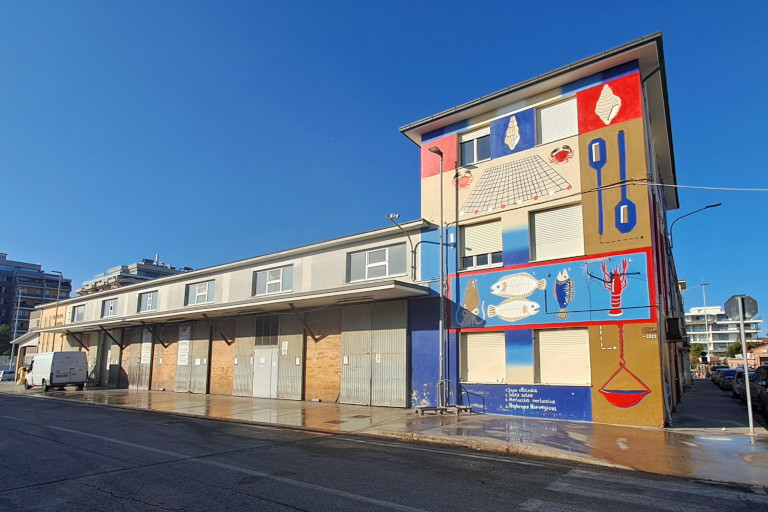
Located in the heart of the port of Civitanova Marche, the Fish Market is a symbol of maritime tradition. Here, among fishing nets and the scent of salt, the sea meets the city every night. From Tuesday to Friday at 3:30 a.m., the fish auction takes place as an ancient and vibrant ritual. Not just a market, but a place of stories and connections, enriched by the murals realised within the “Vedo a Colori” project.
PALAZZO SFORZA
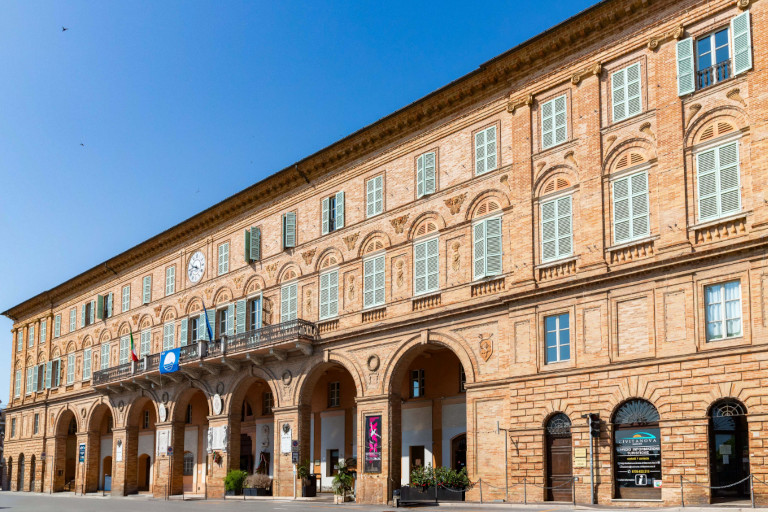
Overlooking the main square, Piazza XX Settembre, Palazzo Sforza-Cesarini is now the Town Hall of Civitanova Marche. Built in 1862 by Duke Lorenzo Sforza on the remains of an ancient fortress protecting against pirates, it is an example of late Neoclassical elegance in brick. It became the municipal seat in 1919. Restored in 1999, it remains a symbol of the city’s history, from feudal times to civic life.
PORTA MARINA
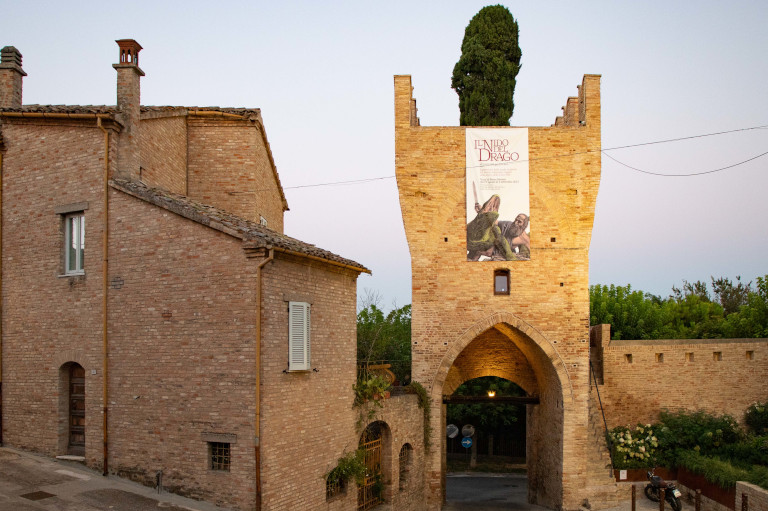
Porta Marina is one of the four ancient gates of old town hamlet of Civitanova Alta. Built in the 15th century at the request of Francesco Sforza, made of bricks in Ghibelline style, it preserves its double pointed arch and watchtower. Restored in 2016, it overlooks the Adriatic, offering an iconic view. A century-old cypress growing among the battlements has become a symbol of civic strength and identity.
MURALES VEDO A COLORI
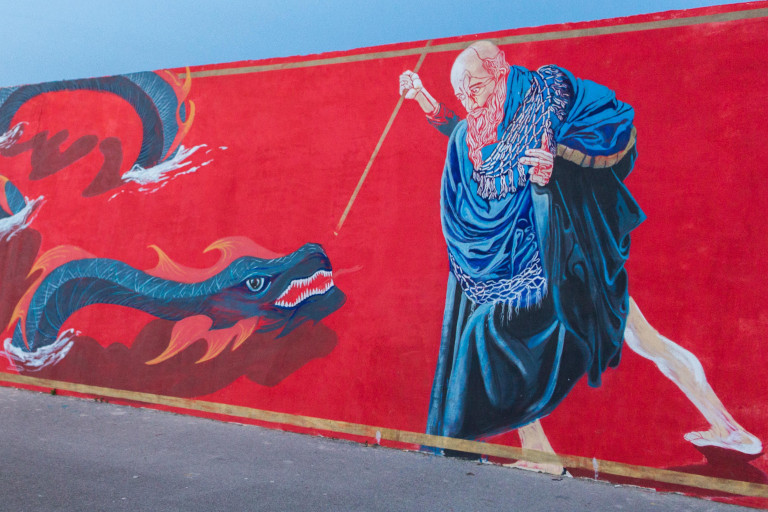
Civitanova Marche is an open-air museum. Along the east and south piers, among fishing nets and shipyards, murals transform the port into a unique artistic route. With the project “Vedo a Colori,” created by Giulio Vesprini in 2009, over 100 artists have painted more than 3,000 square meters, regenerating the port area. An explosion of creativity that tells the city’s maritime and contemporary soul.
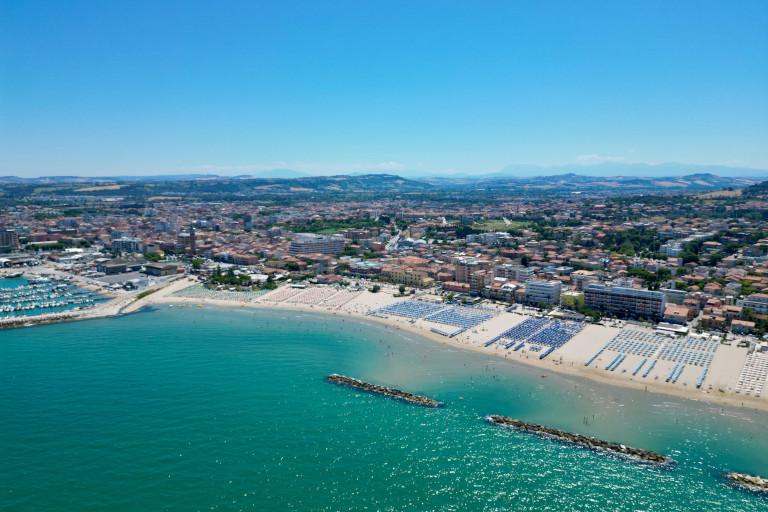
San Benedetto del Tronto
Overview
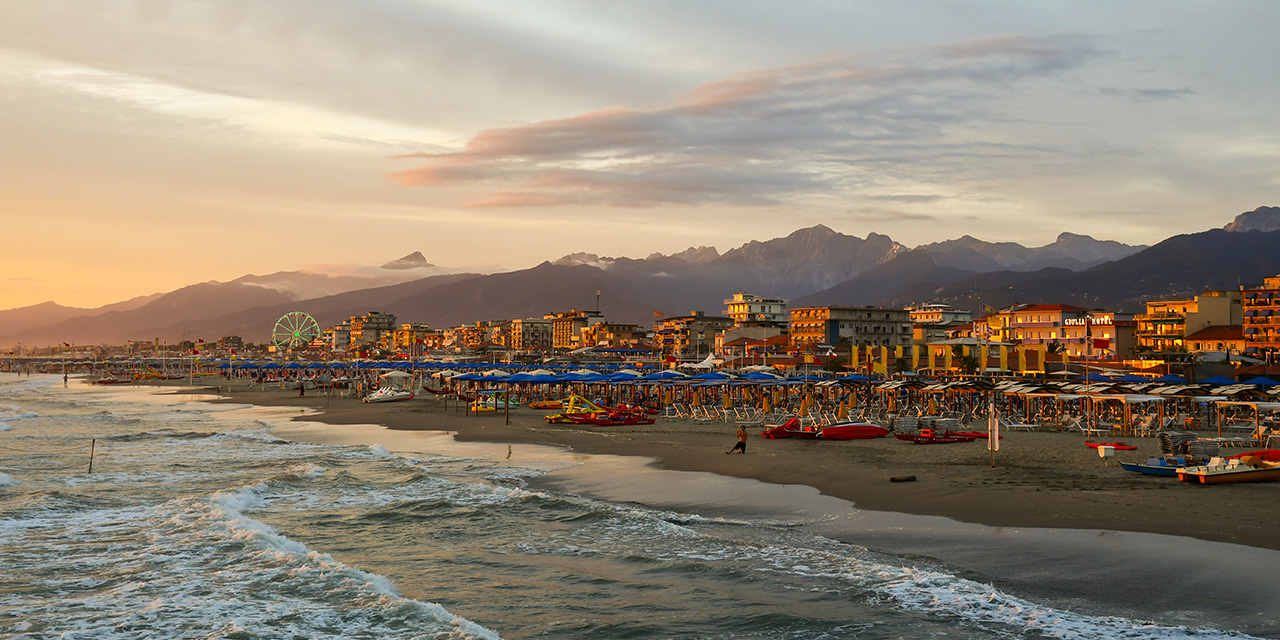
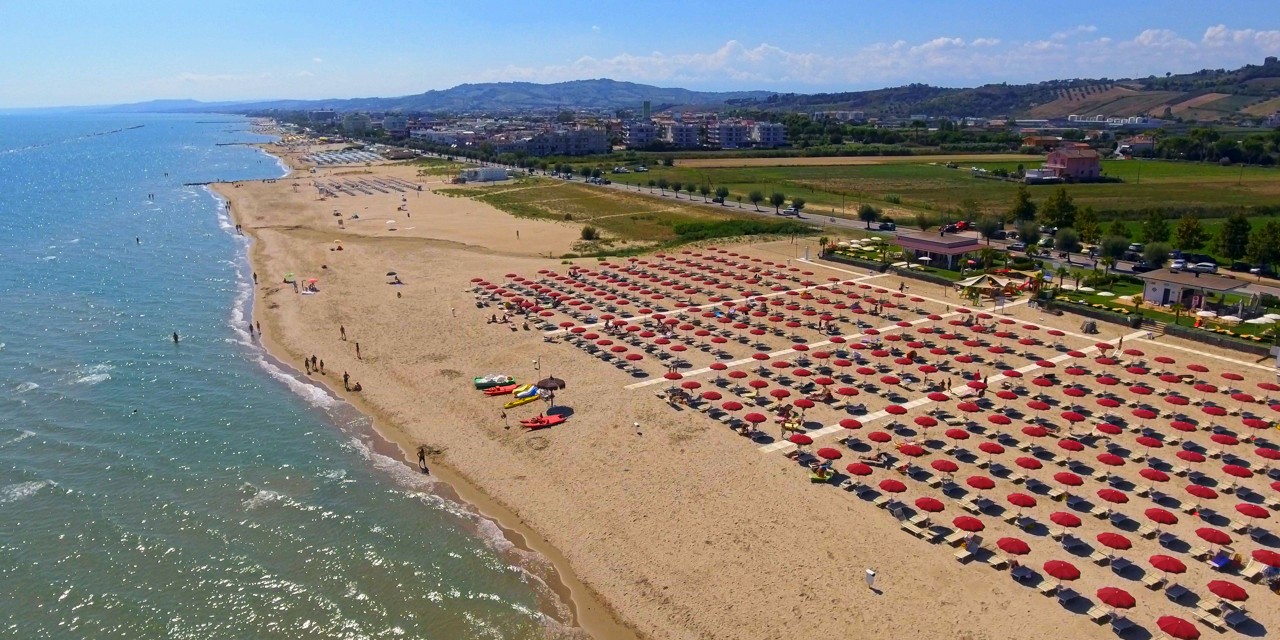
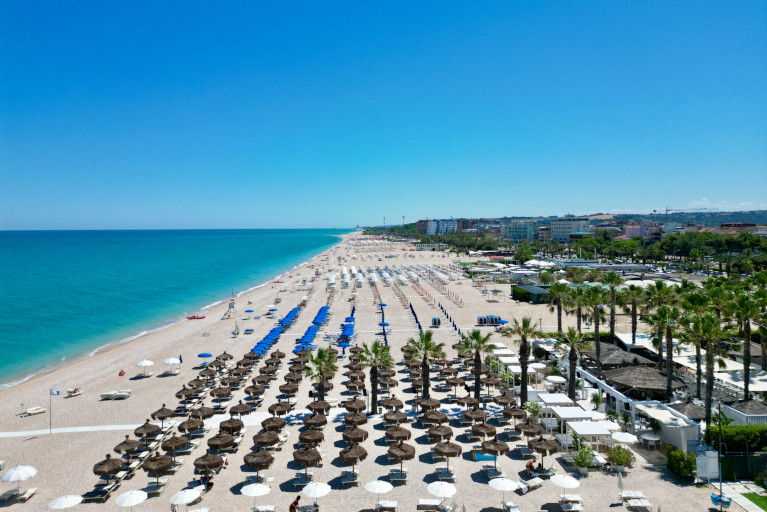
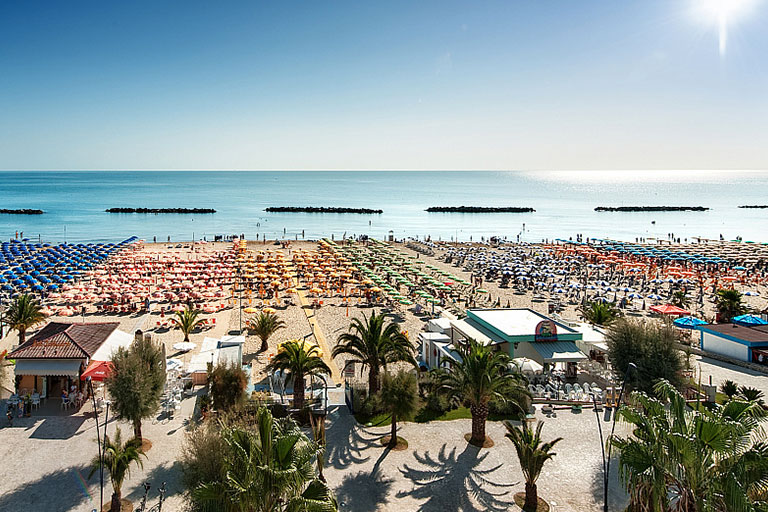
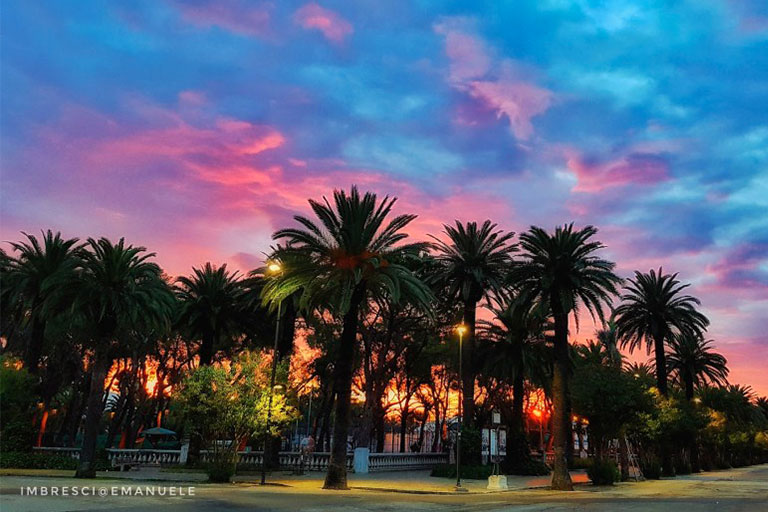
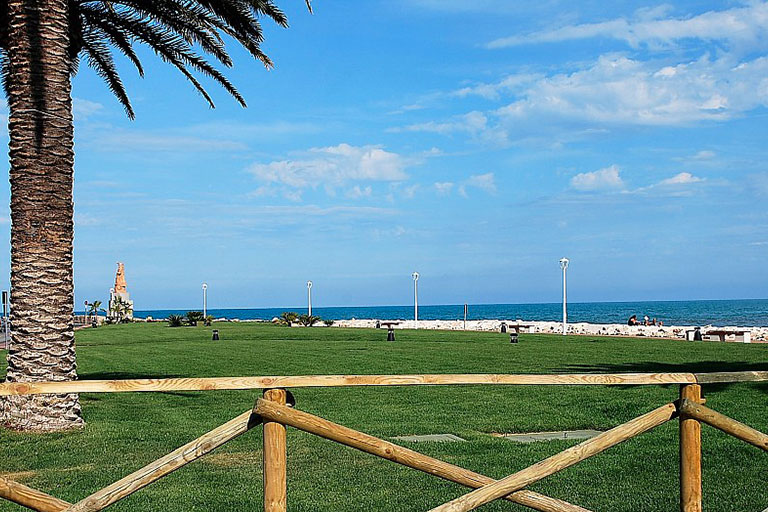
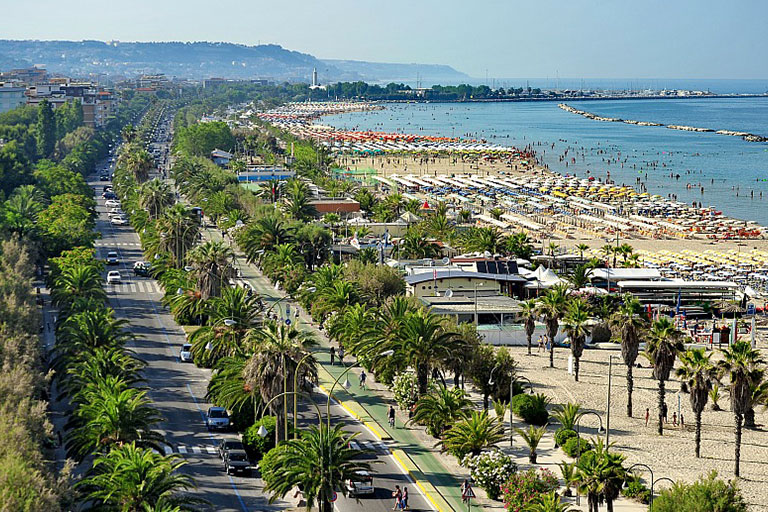
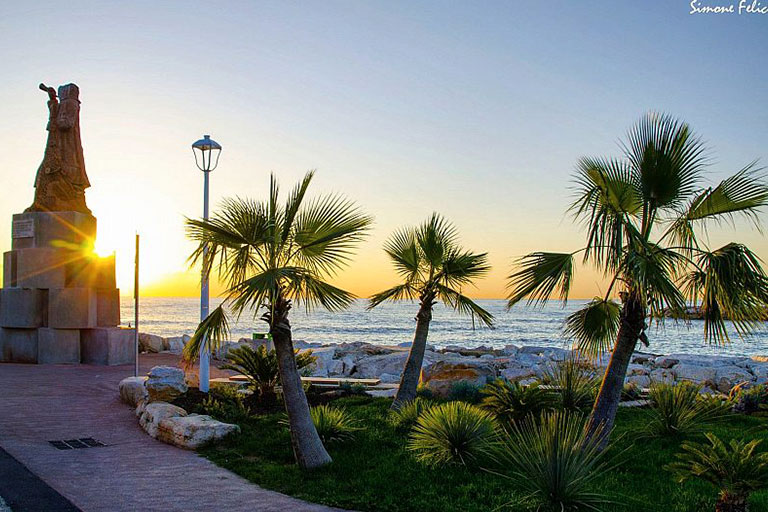
San Benedetto del Tronto is one of the main holiday resorts of the southern Marche and, with over seven thousand palm trees on its wide promenade, it has a touch of tropical charm. It is also called Riviera delle Palme, a term that was later extended to the neighboring resorts.
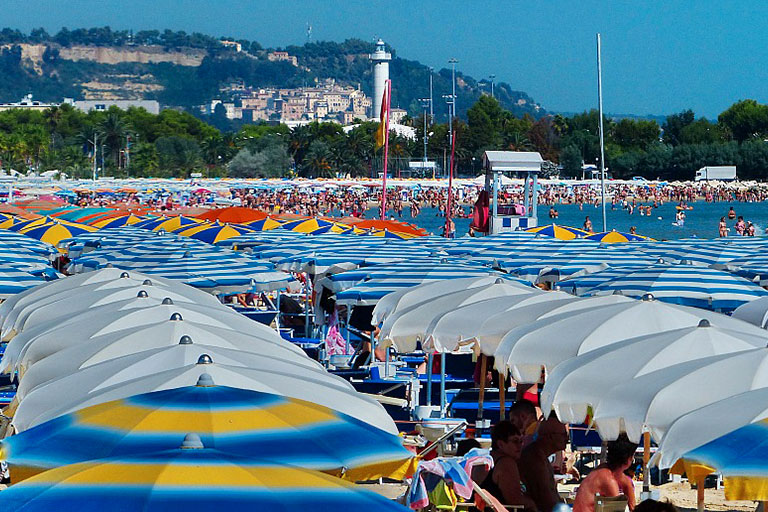
It boasts the Blue Flag label because of its wide sandy beaches, safety and other services.
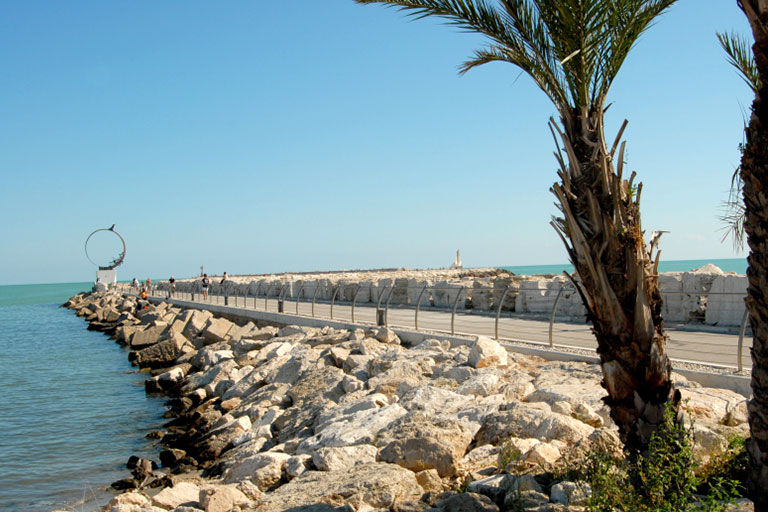
The promenade is characterized by eight thousand palm trees and by numerous relaxation areas, games for children and thematic gardens: arid garden, wet garden, palm garden, rose garden, Mediterranean scrub garden.
Food
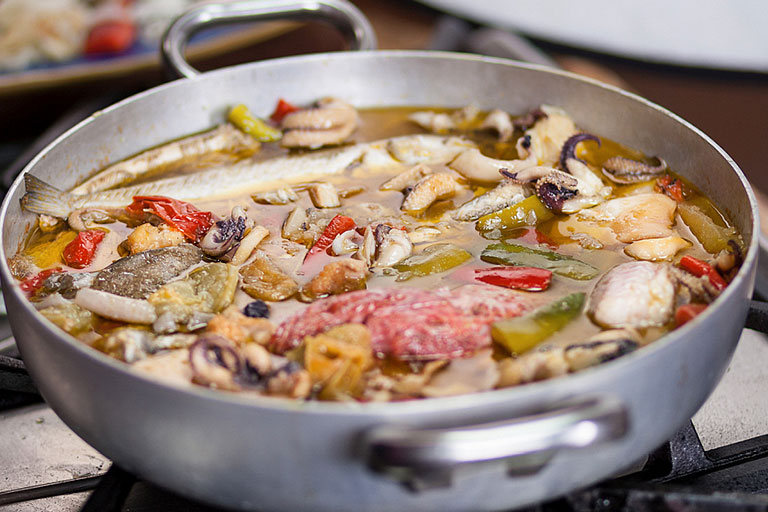
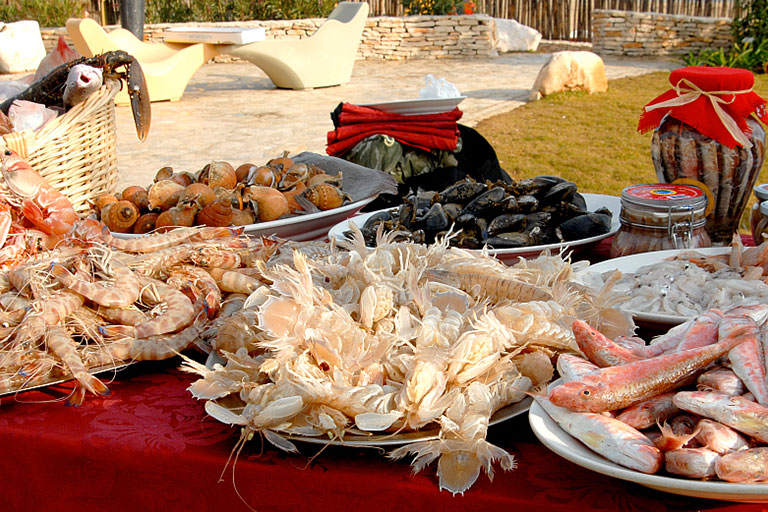
The most typical dish of San Benedetto del Tronto is the “brodetto alla sanbenedettese”, a fish soup with the addition of peppers and vinegar. Many ingredients are used to prepare it: extra virgin olive oil, brown onions, a piece of chilli pepper, cuttlefish, squid, white wine, green tomatoes, large chopped pieces of green and red pepper. Further types of fish are included, like dogfish, toad, mazzoline, scorpion fish, ray and mantis shrimp. Fish is cooked at low heat, with the pot covered for a few minutes; top quality white wine vinegar is added before serving. It is good to serve accompanied with toasted bread.
Another specialty famous worldwide is the Oliva Ascolana of Piceno D.O.P, that is quite large, with a uniform color, from green to straw yellow; it is crunchy, easy to digest and is considered as the best green table olive in the world. Some illustrious men like Plinio appreciated its quality in brine; Pope Sixtus V, Garibaldi, Rossini, Puccini also showed their appreciation for this product. Recognized as DOP (protected source status) in 2005, these typical olives are the main ingredient of the Ascolane Olives recipe: stuffed with a tasty meat-based filling and breaded before being deep fried, they are excellent as an appetizer, or as an aperitif, served both hot and cold.
Wine and beverage
There are numerous wines produced in the rich surrounding hinterland to accompany the delicacies of the Riviera. An agile and non-trivial wine, rich in fresh broom fragrances is the Passerina di Offida DOCG, which goes very well with light first courses and soups, as well as fish dishes. A wine made exclusively from grapes of the Passerina variety, indigenous to the Marche region, it has a beautiful pale straw yellow colour. The aromas are typical of tropical fruit and green apple, while the floral ones recall acacia and broom. It is a wine to be enjoyed young if possible, to appreciate all its freshness and versatility in combinations.
In shades of coriander flower, Pecorino di Offida DOCG is produced in the hills surrounding Ascoli Piceno and pairs perfectly with fish, shellfish and crustacean dishes. It is also perfect with white meats and medium-aged cheeses. It has a beautiful golden yellow colour, with slight greenish reflections and interesting balsamic notes of aromatic herbs and ripe yellow fruit and citrus fruits, which are released as soon as you approach the nose. The result is an intense and persistent taste, fresh and balancedly savoury.
Among the reds, the Rosso Piceno DOC Superiore is a must, recalling the aromas of violets. It goes perfectly with roast meats, moderately spicy dishes and, of course, with strong-tasting cheeses. It is produced in particular from Montepulciano and Sangiovese vines and is characterised by a beautiful, lively ruby red colour with light violet veins. It presents itself on the nose with interesting notes of sweet spices and red fruit, scents and aromas that are easily found in the mouth with breadth and elegance.
Points of interest
San Benedetto del Tronto has always been closely linked to the sea and the maritime tradition. The Sea Museum includes the Maritime Museum of the Marche, the Amphora Museum, the Fish Museum and the Antiquarium Truentinum. The Pinacoteca of the Sea, established in April 2009, although located in the heart of the old town, is an integral part of the museum center dedicated to the sea set up at the Fish Market. The Museum of Art on the Sea, a permanent open-air museum, which develops alongside the entire south pier and houses 145 artworks, including 135 sculptures and 10 large murals, is worth a visit.
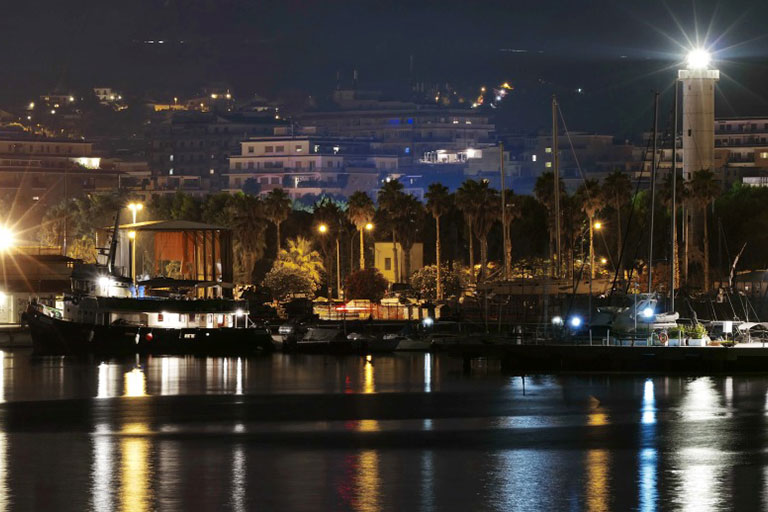
In the old town, at the foot of which the fishing village has developed starting from the eighteenth century, you can admire the fourteenth-century hexagonal Gualtieri Tower, which marks the hours of the day through its ancient clock, the symbol of the city. The must see attractions are: the Madonna of Santissimo Sacramento Sanctuary, the Cathedral of Santa Maria of Marina, the Church of San Giuseppe, the Vescovado, the Concordia Theathre, and the Lighthouse.
The promenade is equipped with lush gardens, a pine forest, tennis courts, an ice rink and Palazzina Azzurra, an historic Palace next to Albula stream. San Benedetto del Tronto’s beaches are suitable for children beacuse of fine sand: children can actually build sand castles and digg holes, swim safely because of shallow water.
The “Giardino Zio Marcello”, just in front of the free beach, is a large green area where children can easily play. A wide cycle path runs continuously along the beach for over 15 km until Cupra Marittima. To the south, the track reaches Via del Mare in Porto d’Ascoli. The town also boasts a beautiful marina, a fishing port and a wholesale fish market, one of Italy’s most important fish markets.
North of the mouth of the Tronto river is the Sentina Nature Reserve, which is characterized not only by the migration of birds, but also by a stretch of sandy beach with an unique environment.
The most important events taking place throughout the year are: the “Antico e le Palme” exhibition-market, which attracts Italian and foreign antique dealers and collectors; the Madonna della Marina Festivity occuring the last Sunday of July, with a sea procession of fishing boats; the Libero Bizzarri Award, one of Italy’s most renowned competitions in the field of documentary cinemas; Anghiò, the International Blue Fish Festival.
Videos Stage 07

Tirreno Adriatico Crédit Agricole 2026 | Stage 7 | Highlights
15 Mar 2026
Tirreno Adriatico Crédit Agricole 2026 | Stage 7 | Last KM 🇬🇧
15 Mar 2026Photos Stage 07
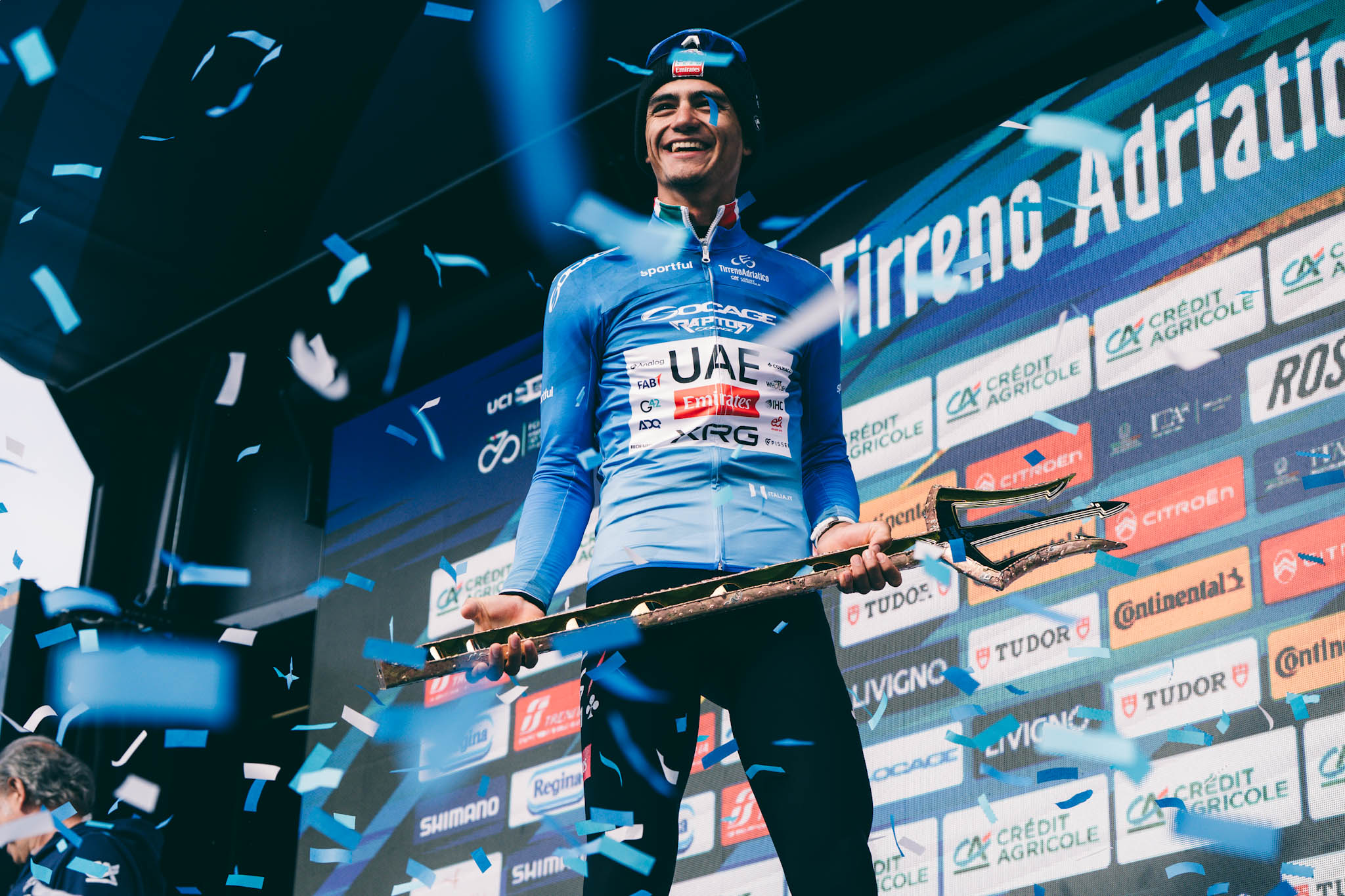
Tirreno Adriatico Crédit Agricole 2026 | Stage 7 | Best of
15/03/2026