





learn more
technical info
profile
map
technical info
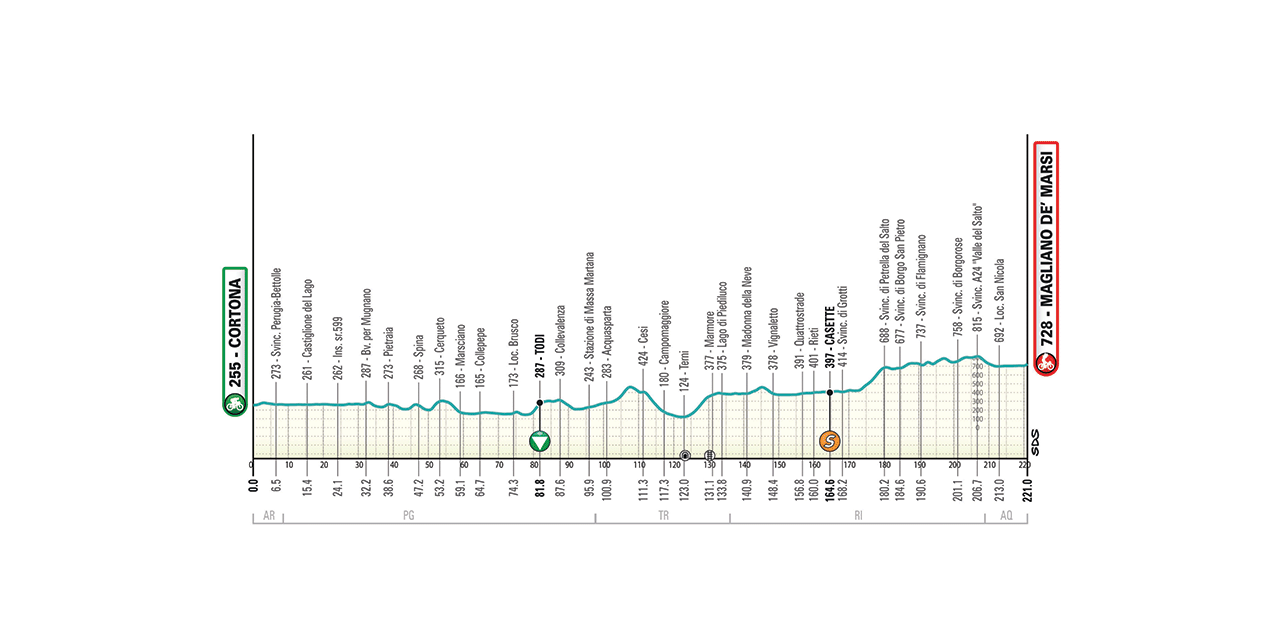
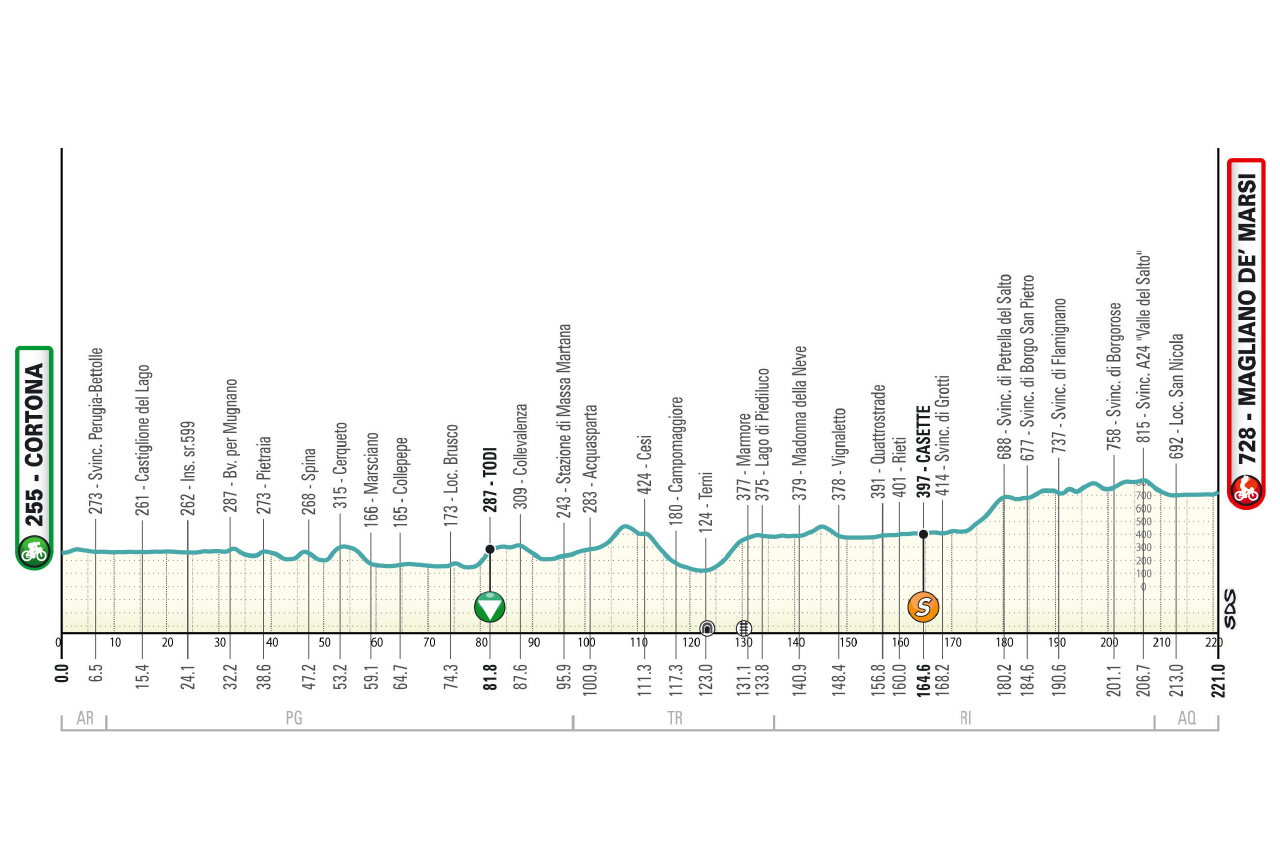
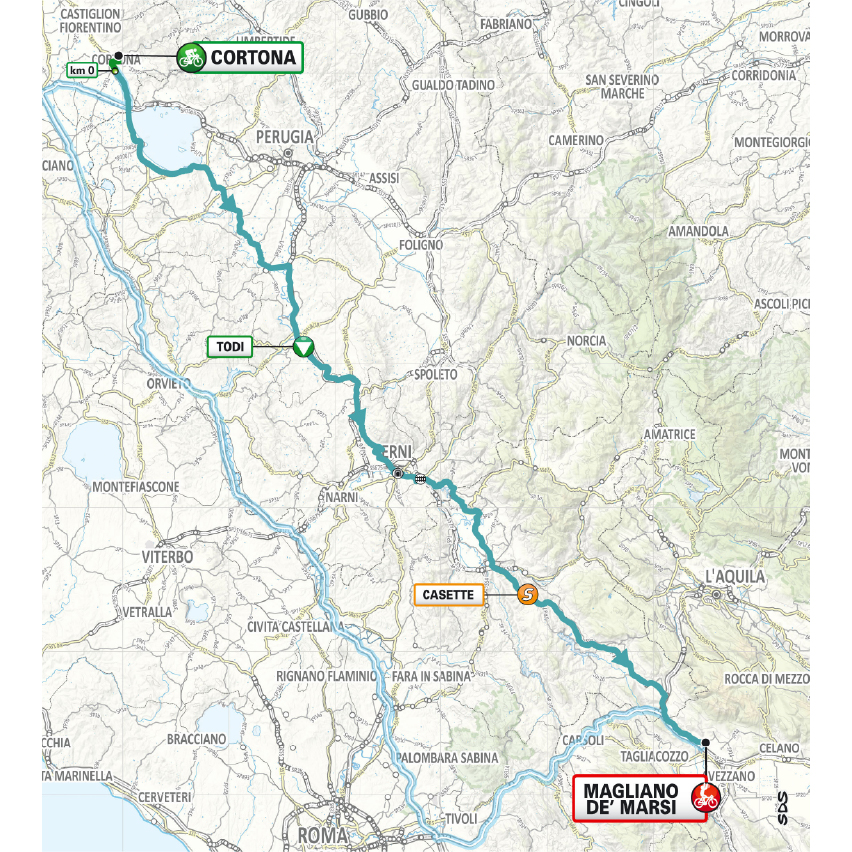
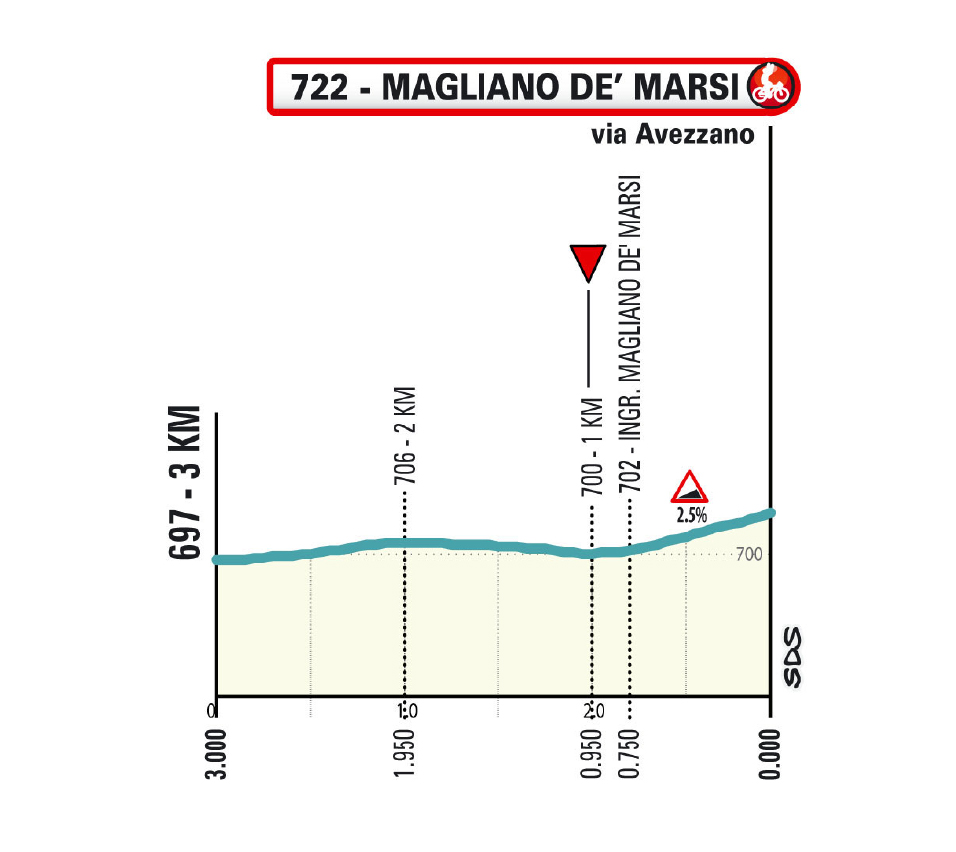
A very long and slightly undulating stage unfolding over a succession of gentle rises and dips, including sections around Todi and the Marmore area. A fast finale gradually uphill over the final 15 km leads to the finishing straight (around 3%).
Final kilometers
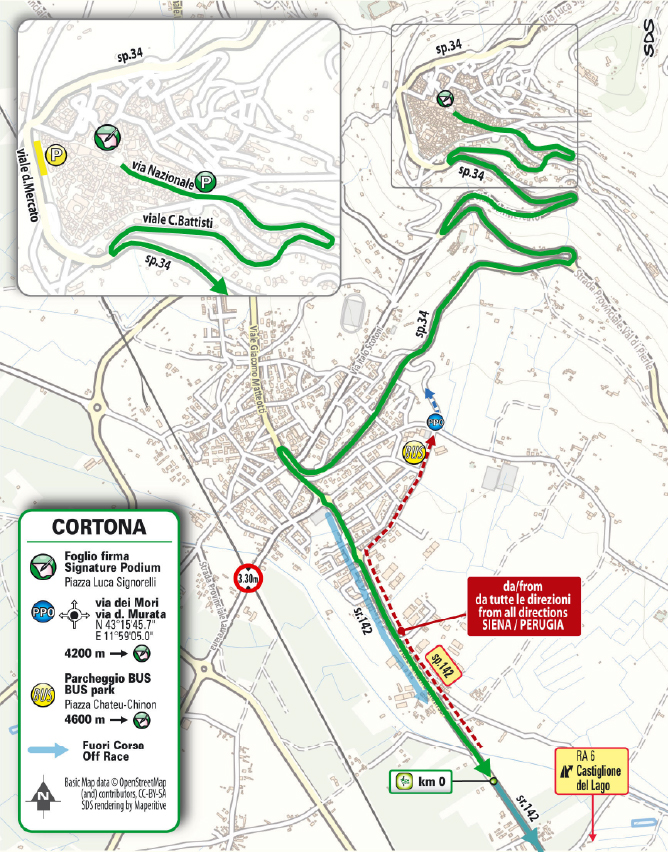
The closing kilometres are flat and virtually straight. After entering Magliano de’ Marsi, the road drags slightly uphill (around 2%) to the finishing straight on tarmac.
start / finish
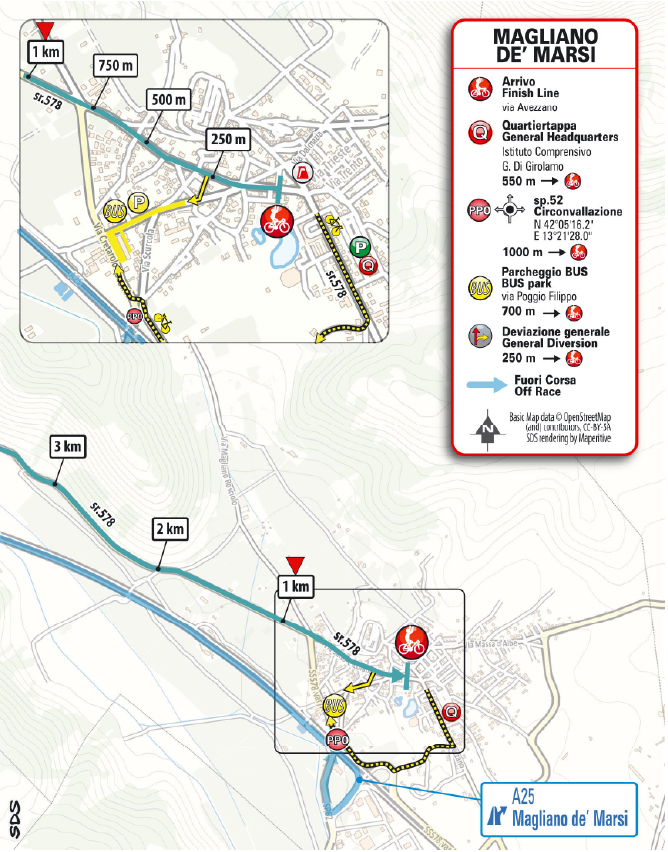
final kilometres
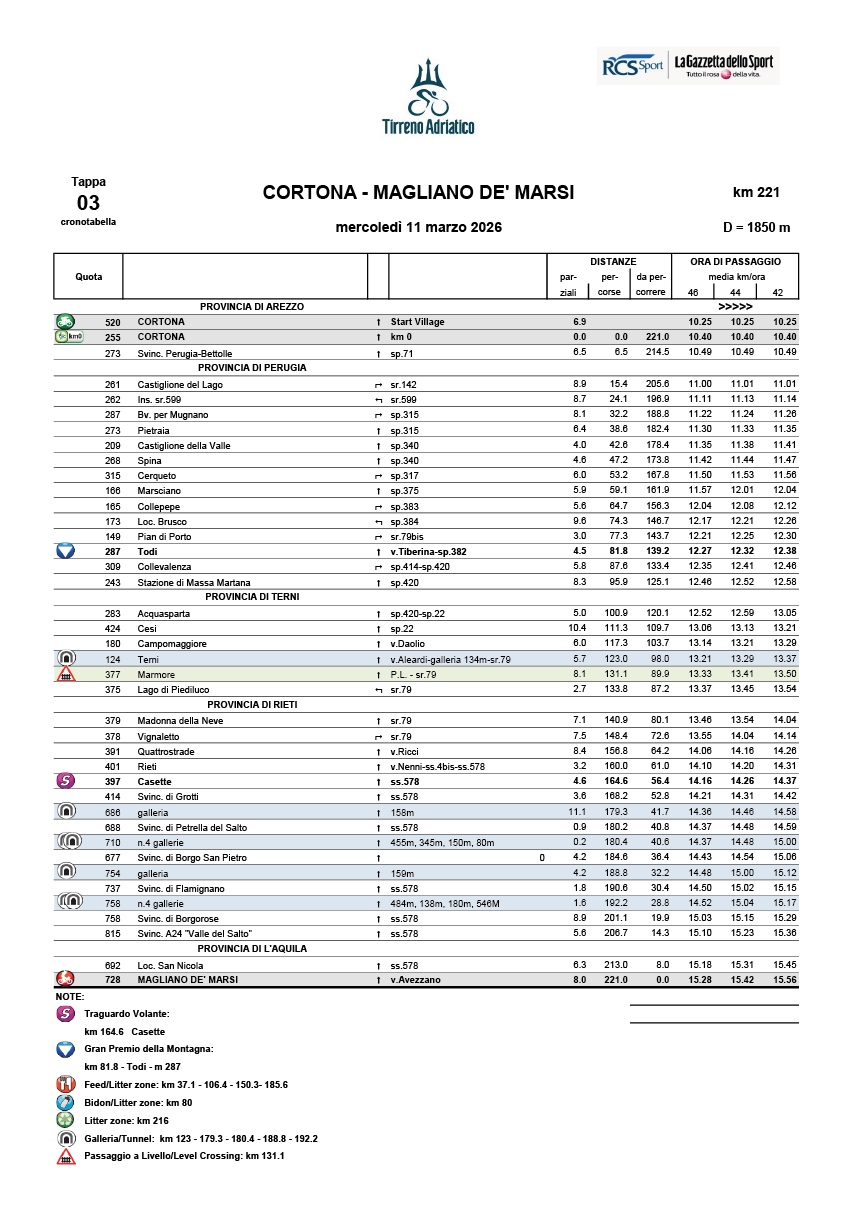
itinerary timetable
tourist info
Host city:
Cortona
Overview
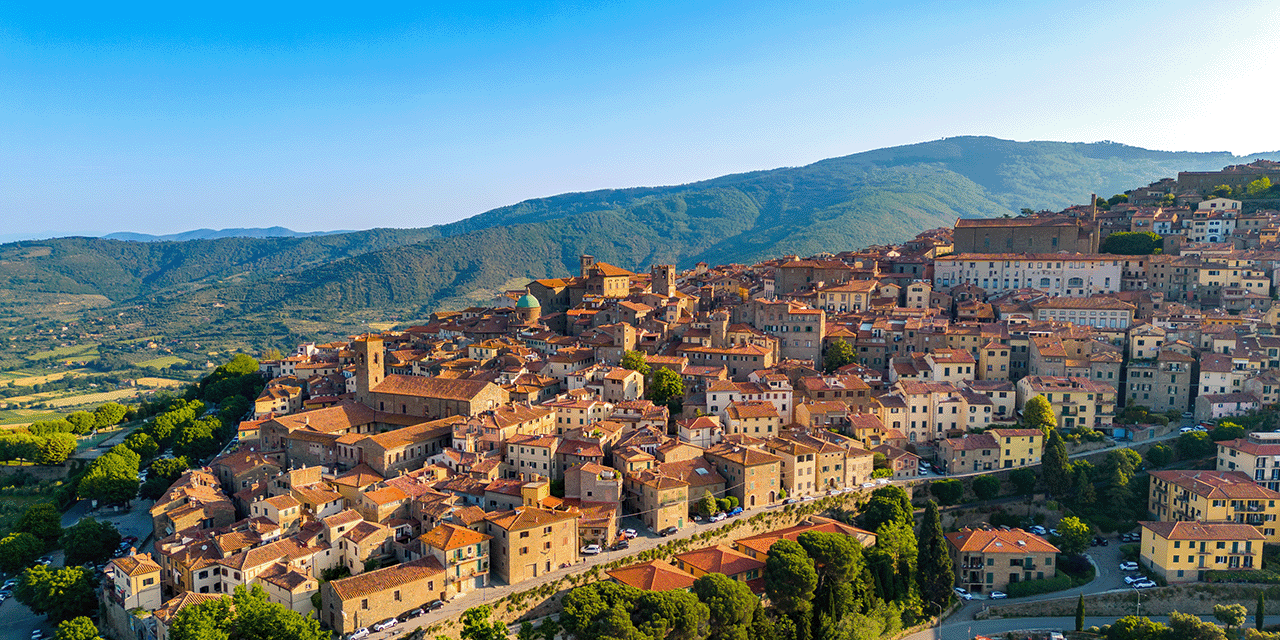
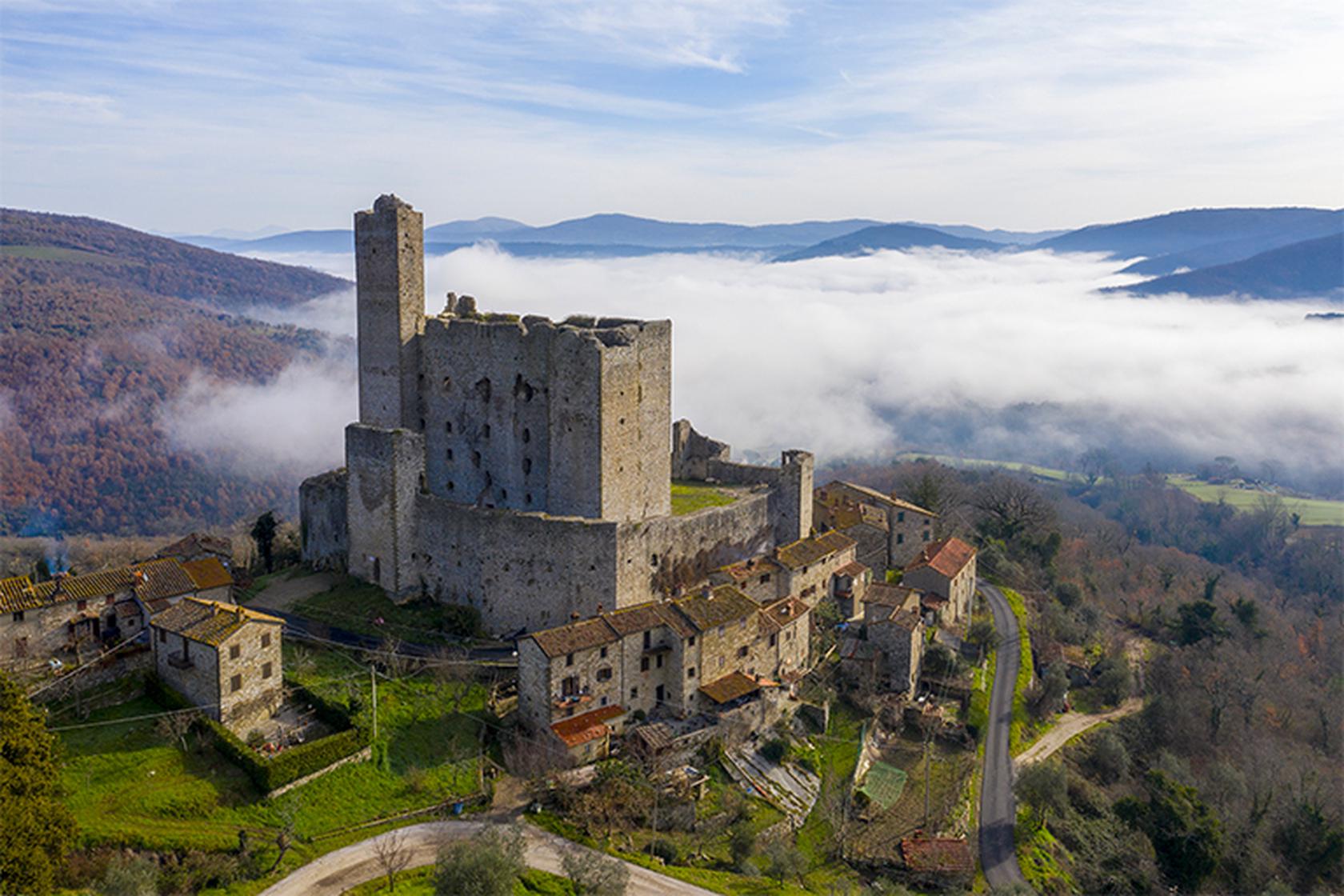
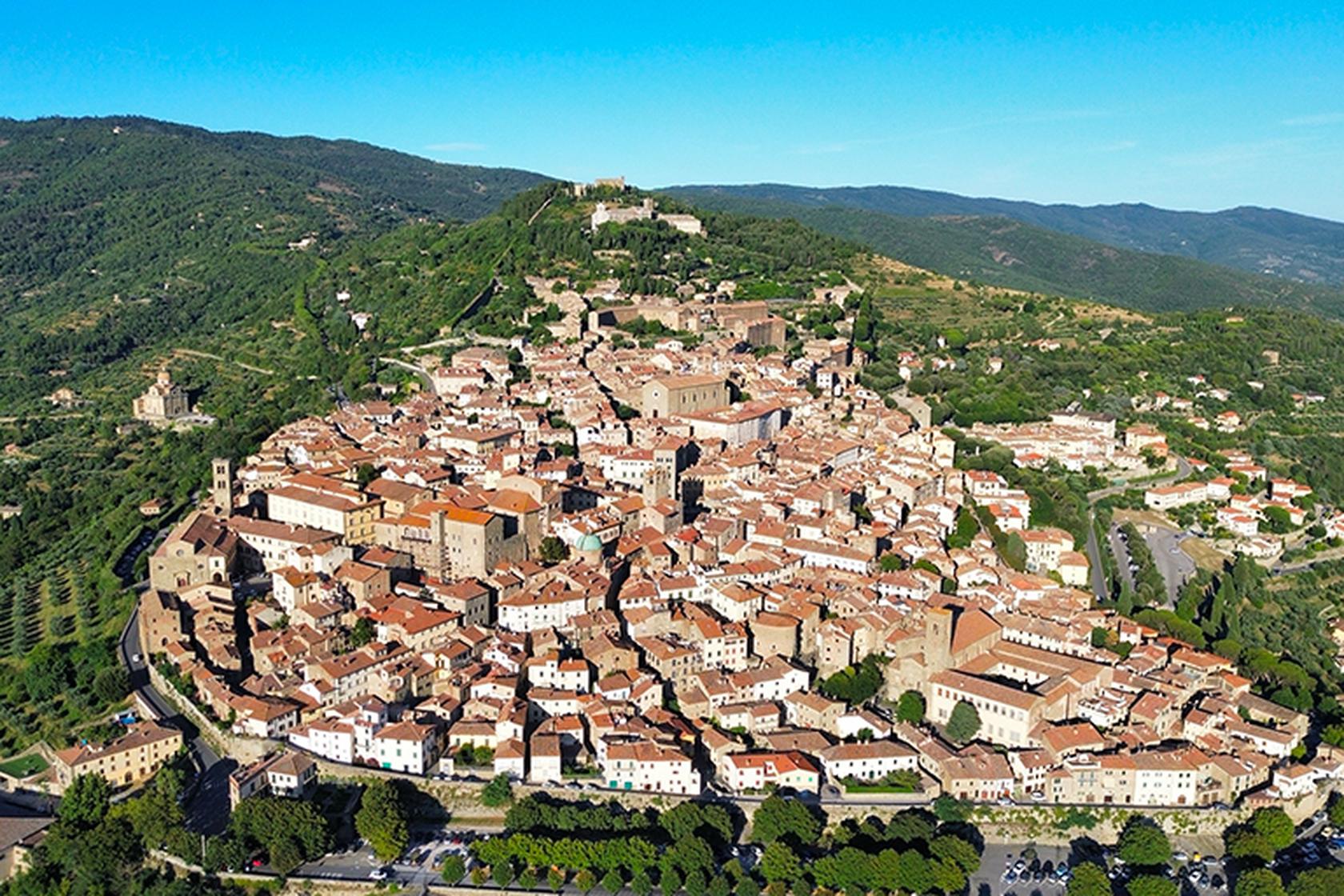
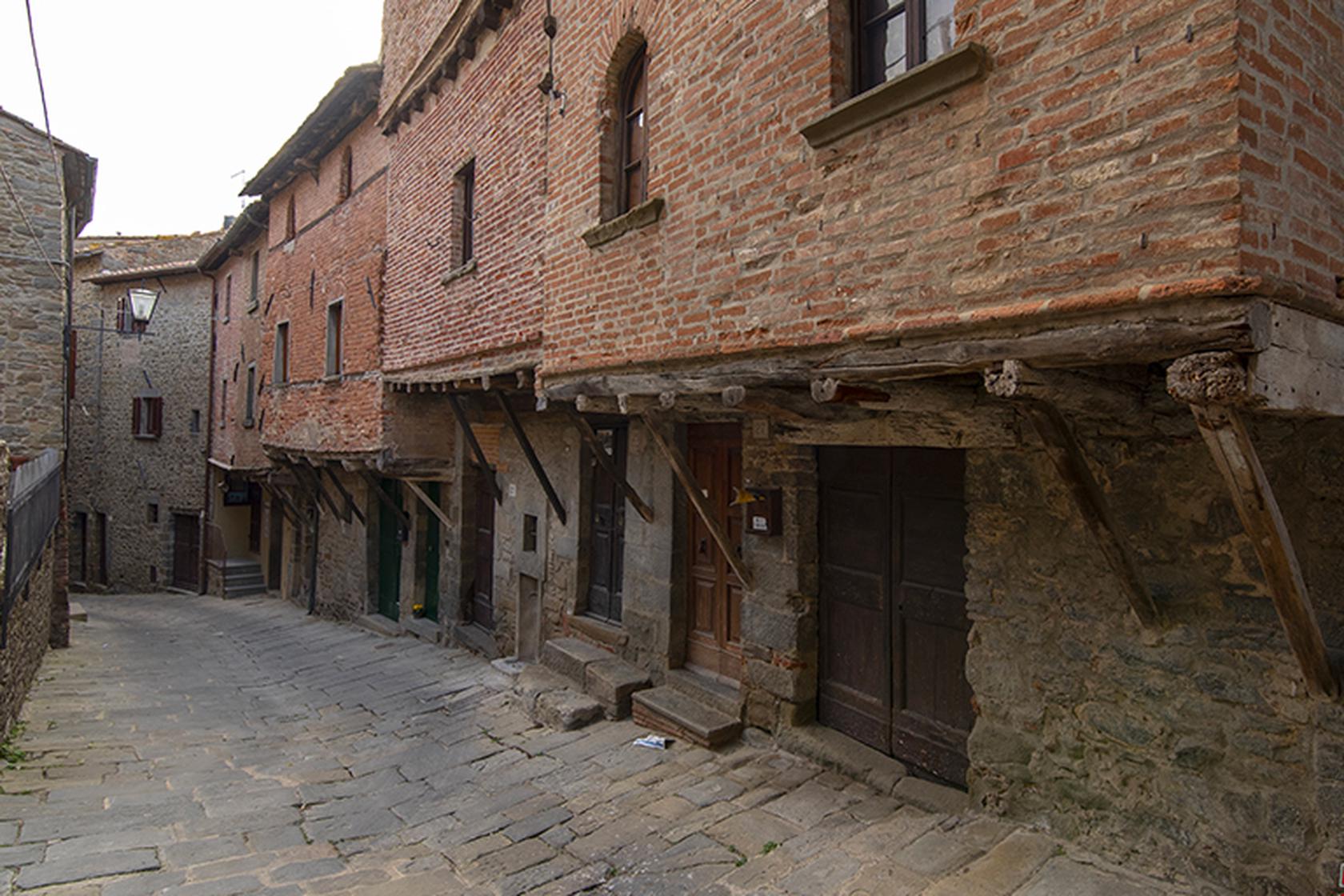
Located in the province of Arezzo, on a hill overlooking the Valdichiana and Lake Trasimeno, Cortona has origins dating back to Etruscan times, still recognisable in some structures and ancient walls. The historic centre is a maze of narrow streets and panoramic squares, retaining a strong medieval character. Cortona is appreciated for its artistic heritage, museums and sweeping views of the surrounding countryside, combining history, culture and landscape.
Food
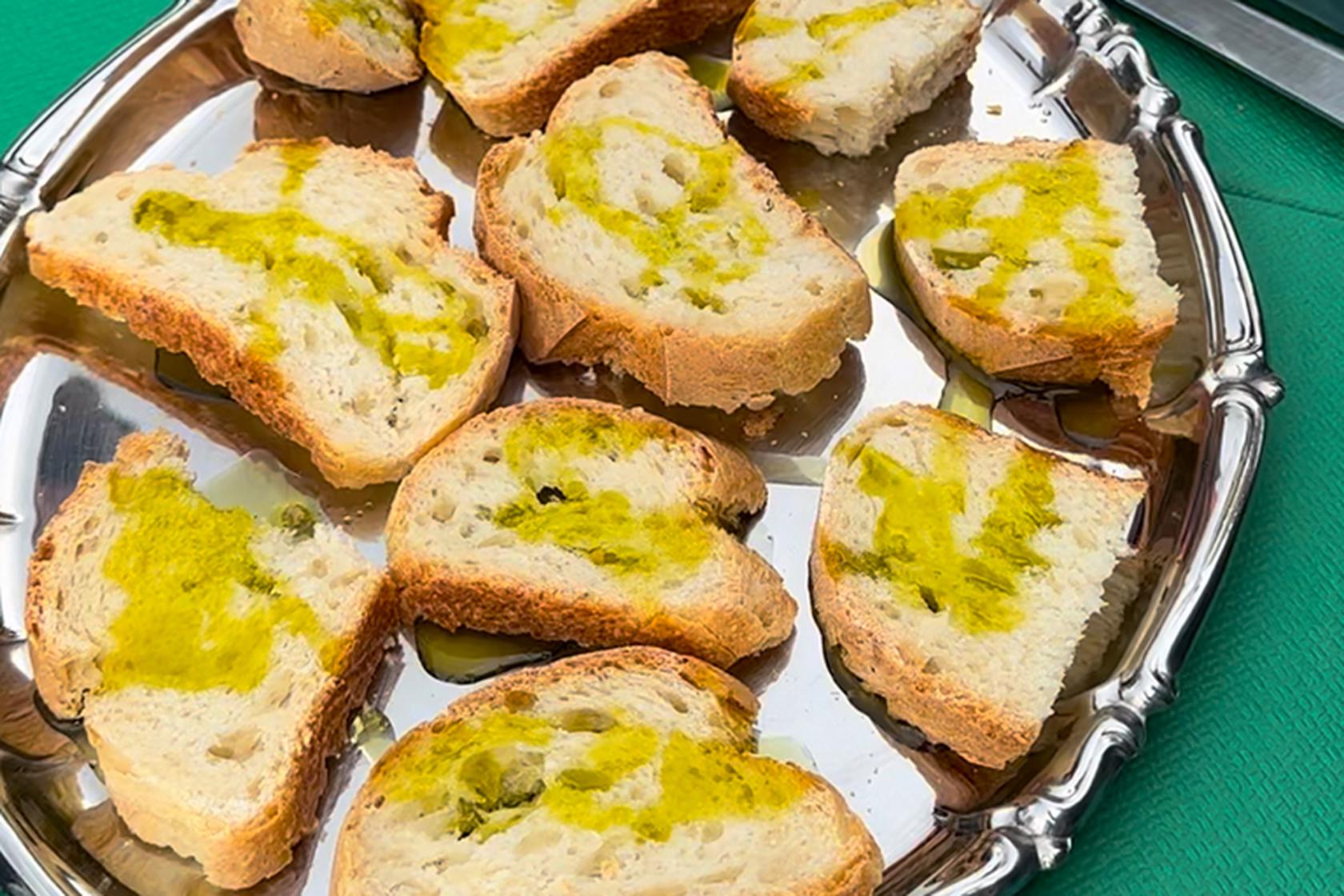
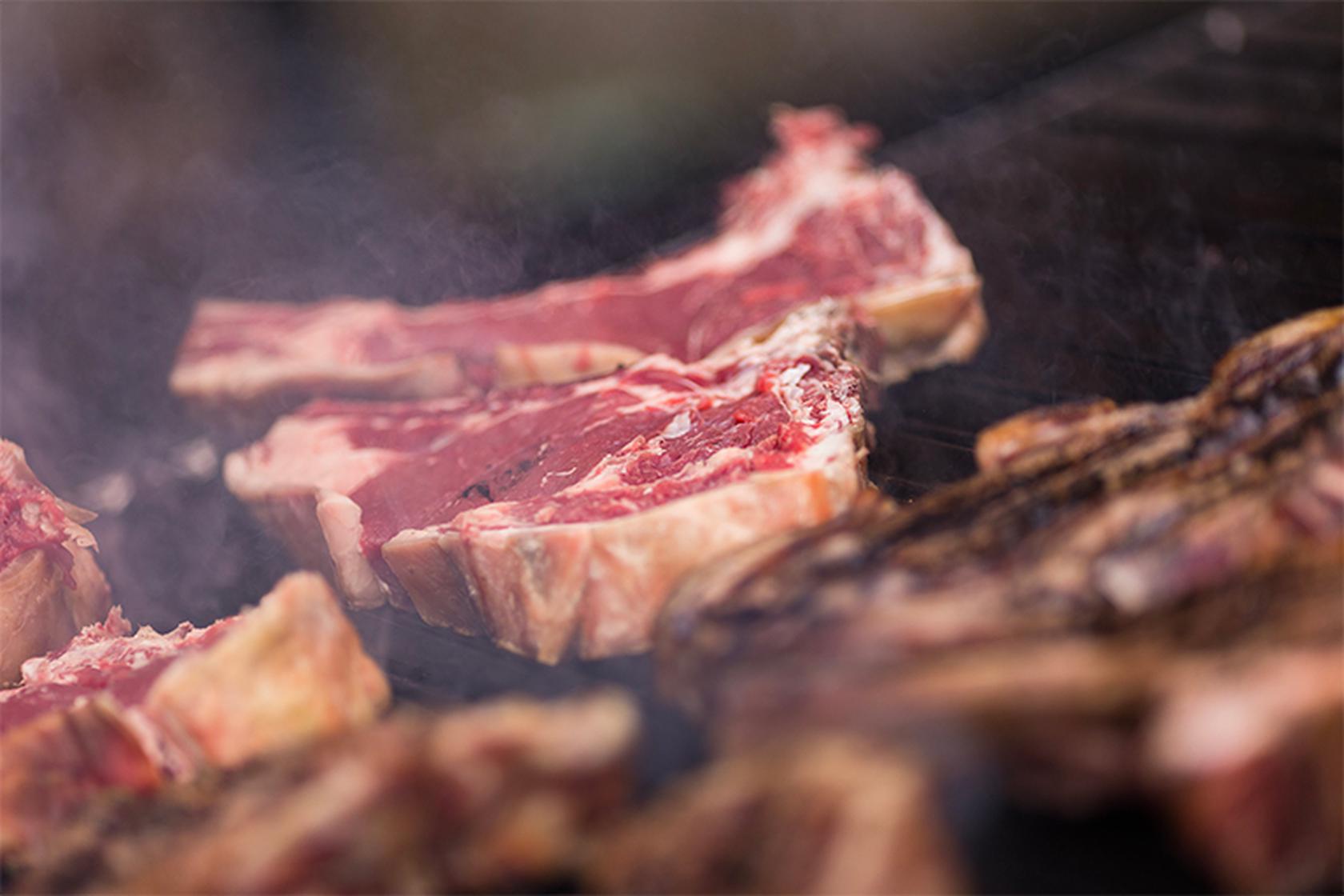
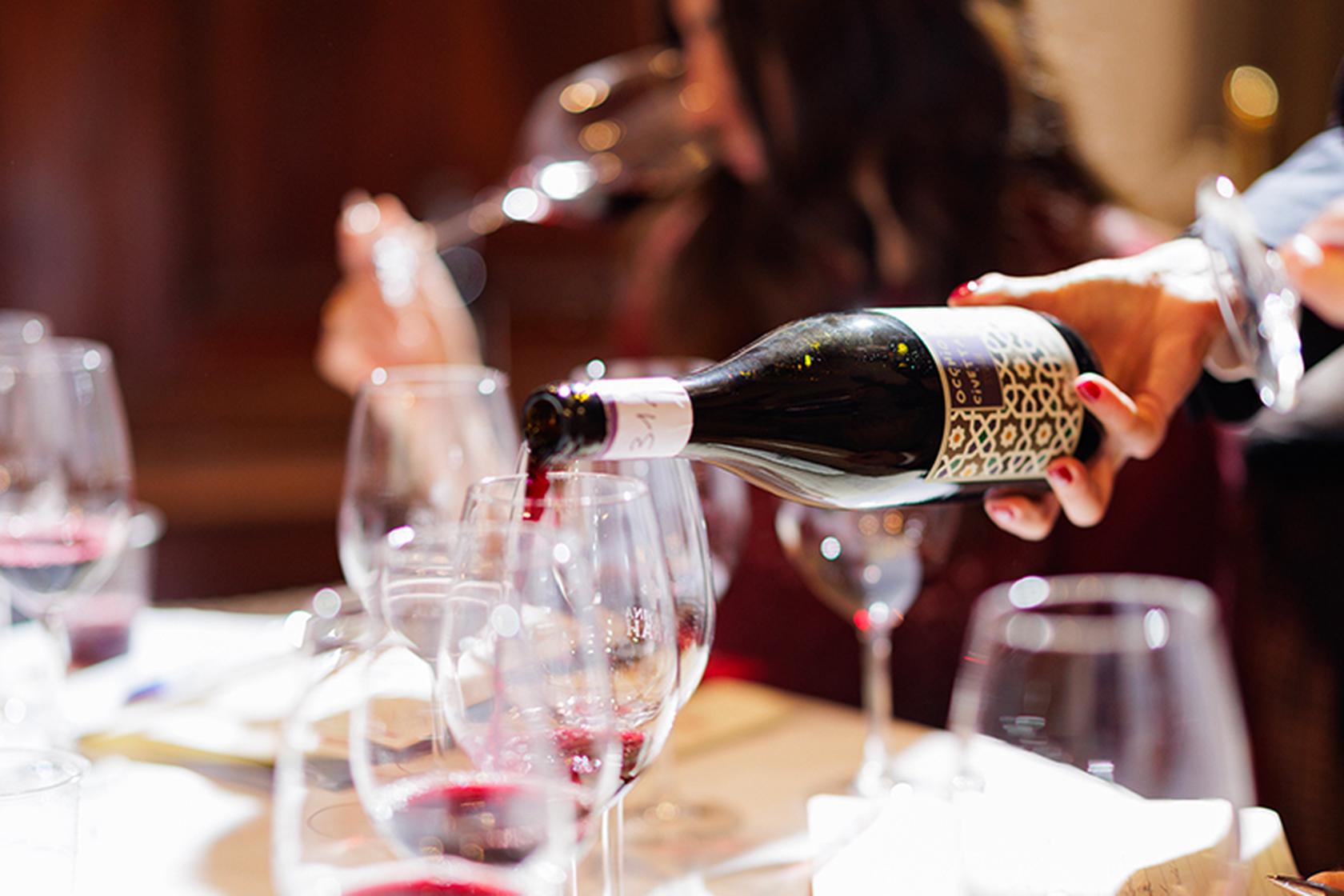
From a gastronomic point of view, Cortona offers typical specialties based on extra virgin olive oil; bruschetta is not to be missed during the olive-pressing season. Other local specialties include crostini, black liver pâté (“nero di fegatini”), and a slightly spicy tomato spread (“rosso”). Recently, “Penne al fumo” has become popular — a pasta dish with a pancetta-based sauce — as well as pici pasta with aglione garlic sauce from the Valdichiana. Among the main courses, highlights include Chianina beef steak (excellent also served “tagliata” which is sliced), tripe, and roasted duck, chicken, and rabbit.
Cortona is one of the main areas producing Syrah wine which has become one of its distinctive specialties. Recently, there has also been an interesting growth among small producers of gin and spirits.
Points of Interest
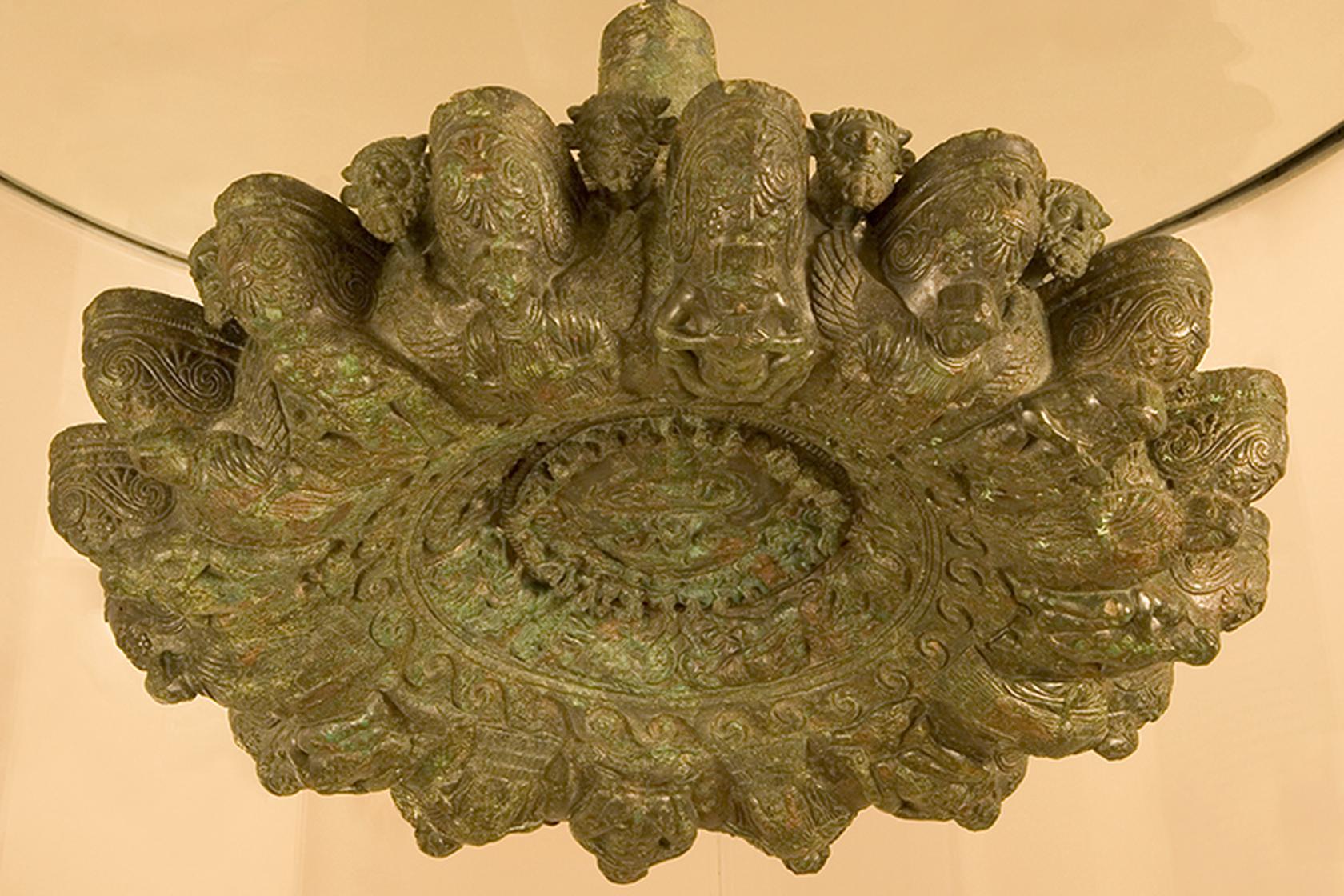
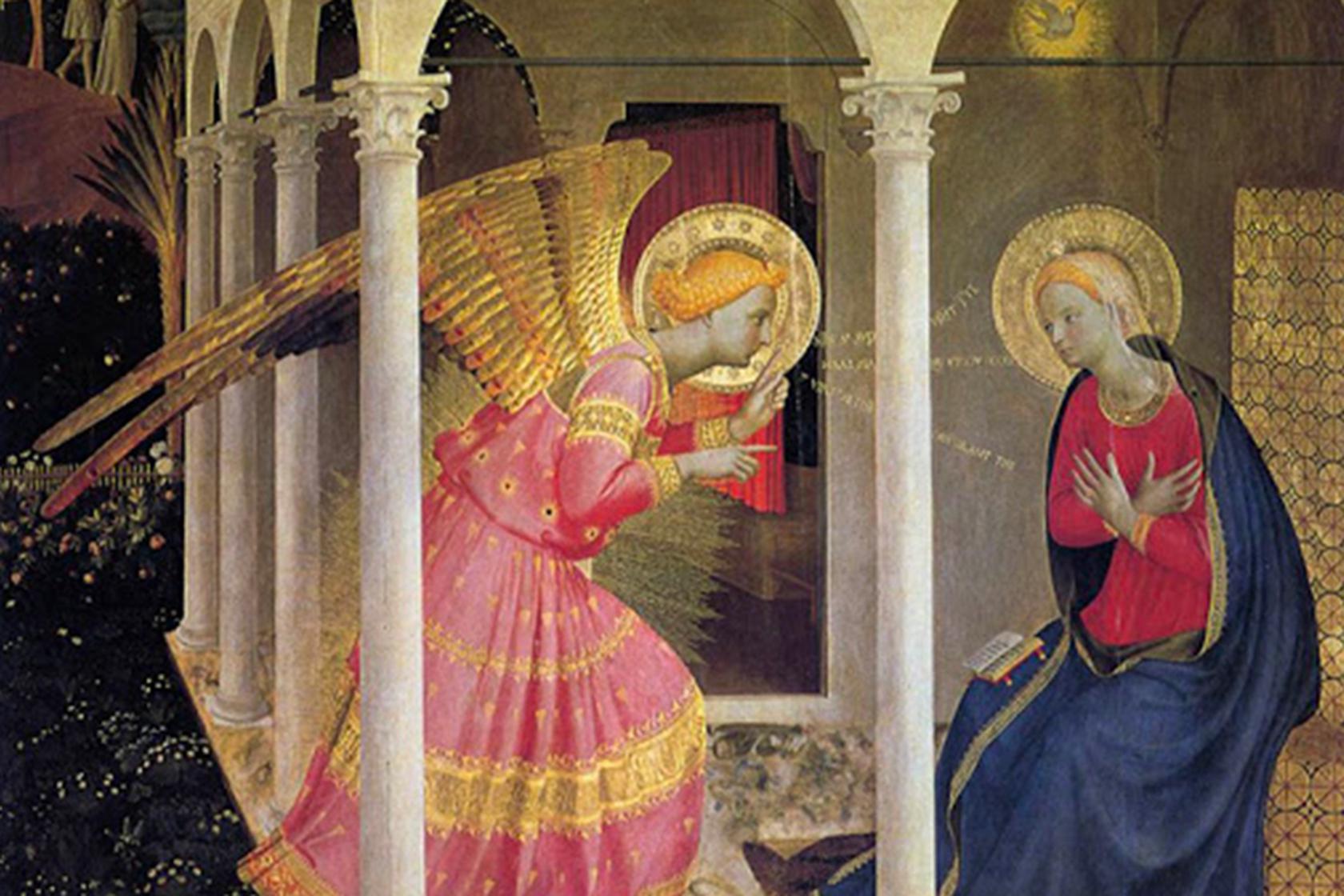
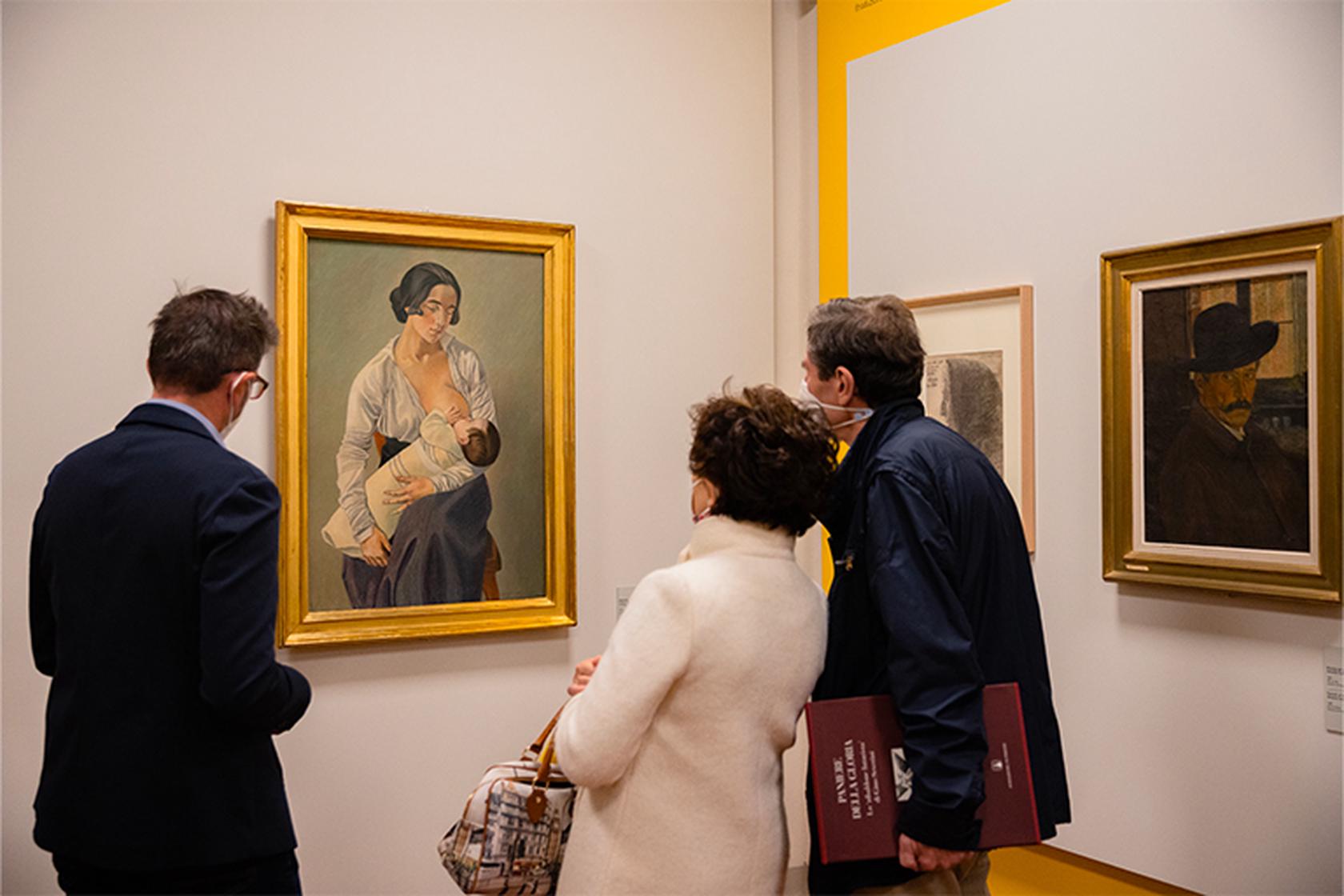
Cortona is a beautiful Tuscan town located in the province of Arezzo, perched on a hill about 500 meters above sea level. Its historic center preserves a strong medieval charm with cobbled streets, ancient stone palaces, and breathtaking panoramic views over the Valdichiana and Lake Trasimeno. The heart of the town is Piazza della Repubblica, dominated by the Town Hall with its impressive staircase. Nearby are Piazza Signorelli, home to the Teatro Signorelli, the Museum of the Etruscan Academy, and the City of Cortona (MAEC) which houses important Etruscan and Renaissance artifacts.
Among the most significant religious sites are the Cathedral of Cortona, the evocative Church of San Francesco, and the Franciscan hermitage of Le Celle founded by Saint Francis of Assisi. The town is surrounded by imposing Etruscan and medieval walls that tell the story of its long history and offer ideal routes for urban trekking enthusiasts.
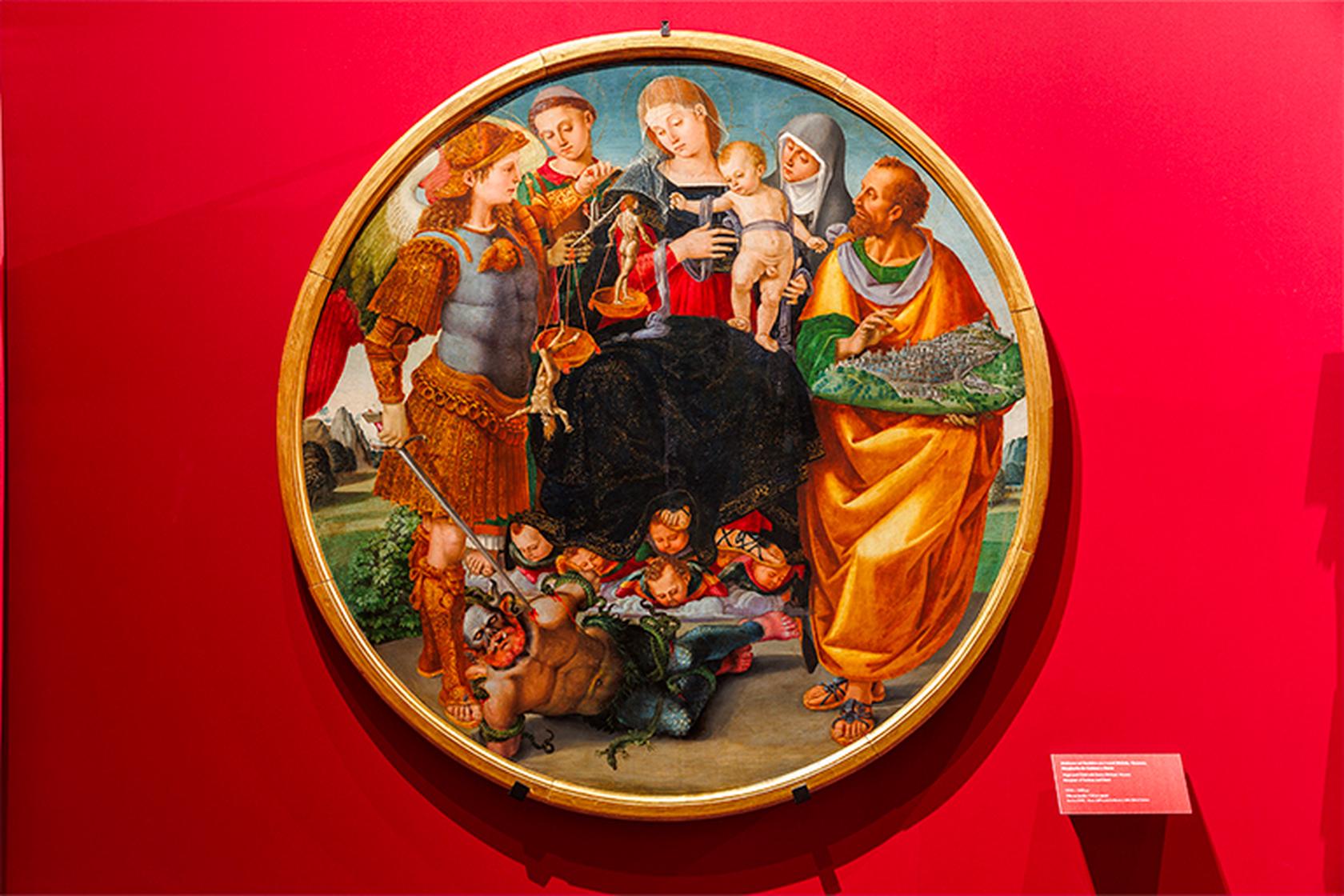
Among the most interesting monuments are the Church of Santa Maria del Calcinaio, a Renaissance masterpiece, and the fascinating Church of San Niccolò which preserves an important work by Luca Signorelli. In the surrounding area visitors can explore the Archaeological Park together with Etruscan itineraries connected to the MAEC, as well as the evocative Rocca di Pierle, including a stop at the parish church of Sant’Angelo in Metelliano.
Magliano de' Marsi
Overview
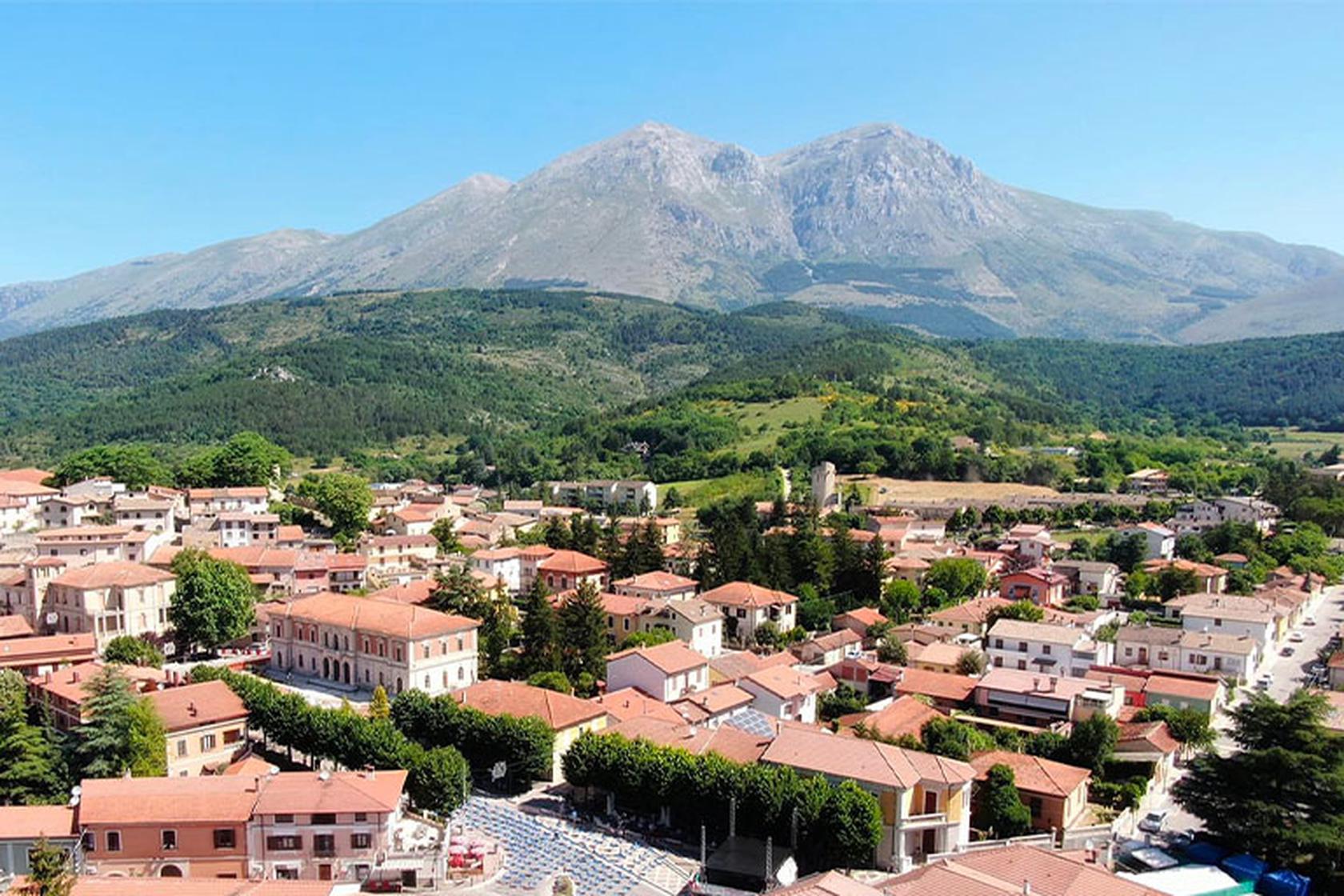
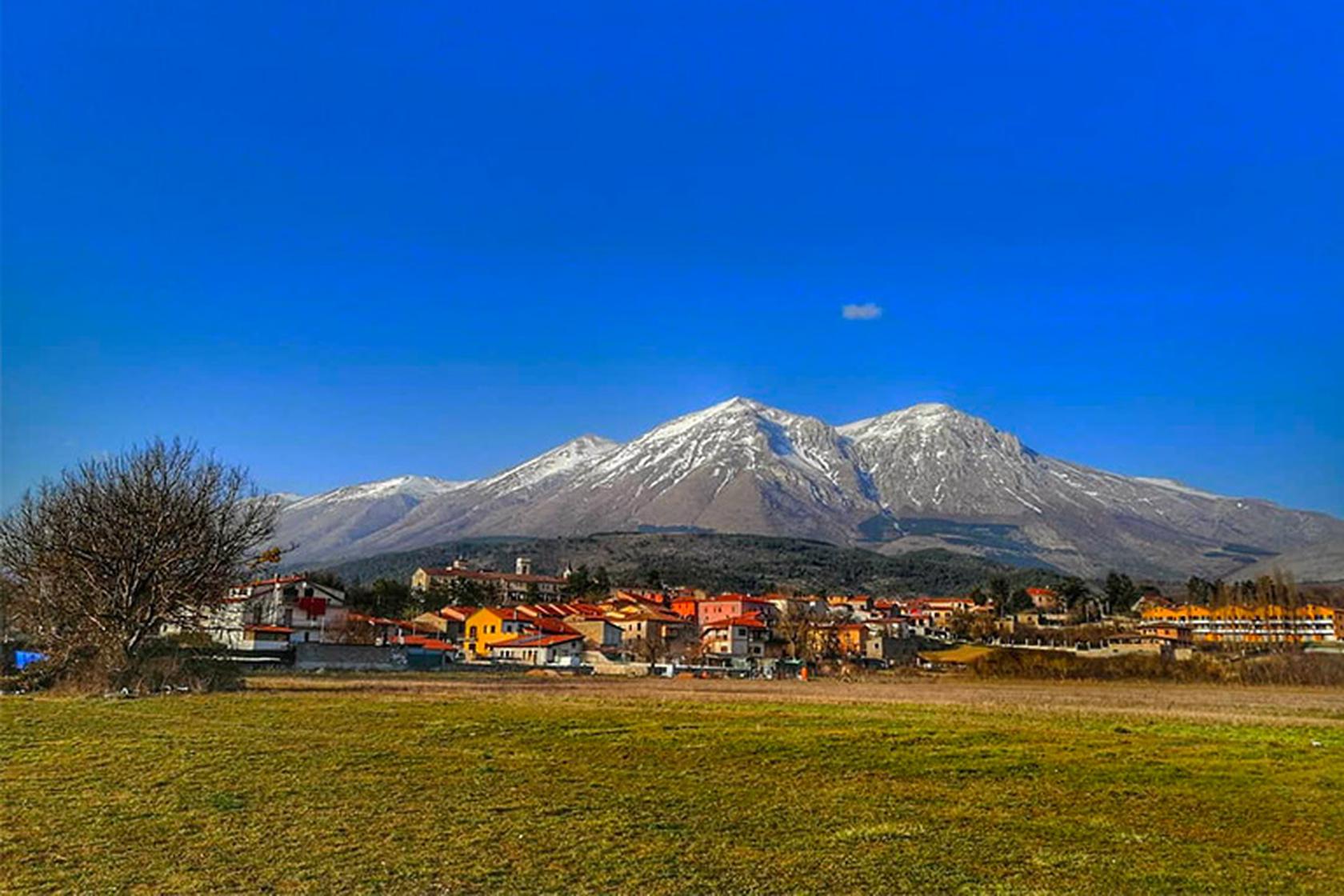
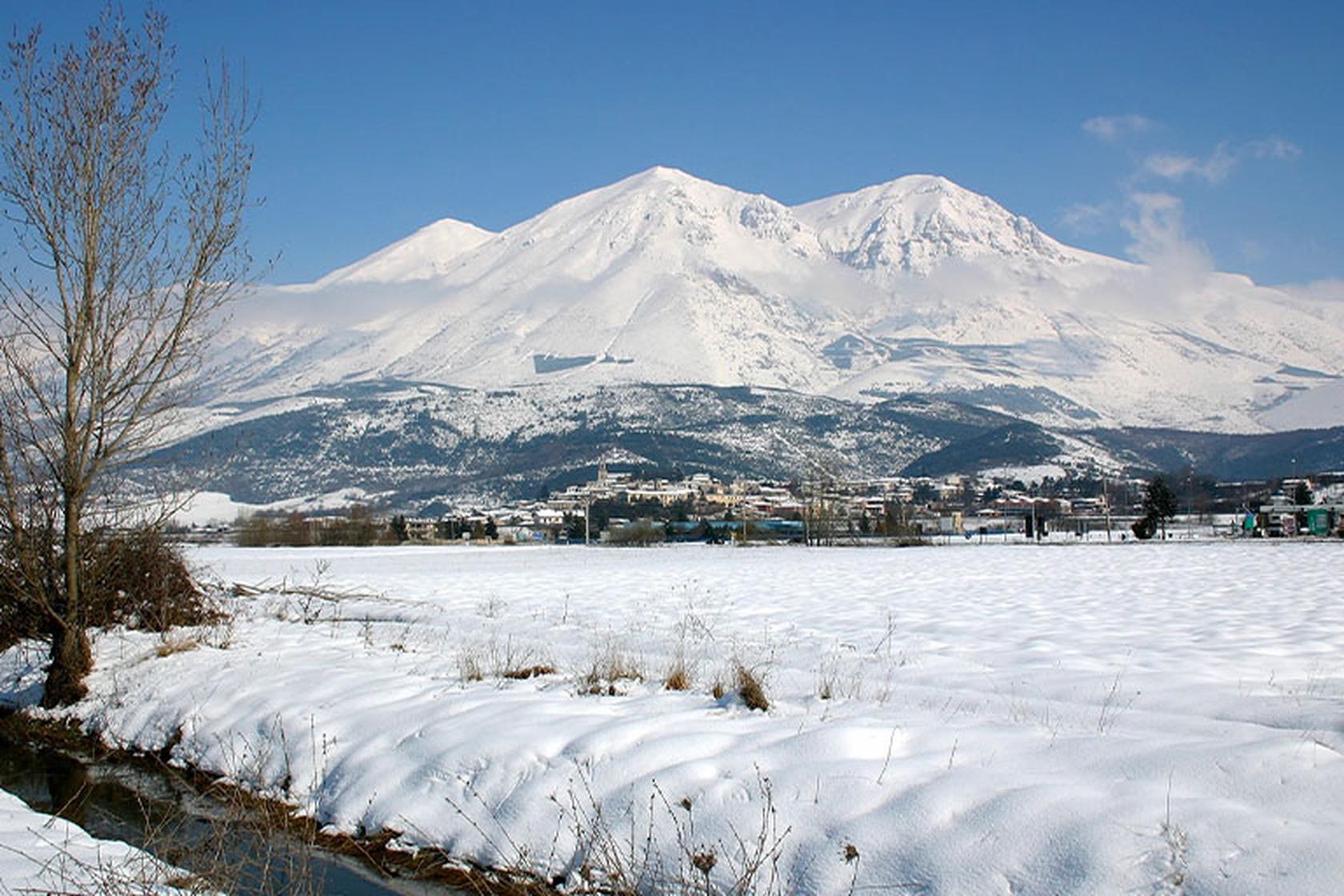
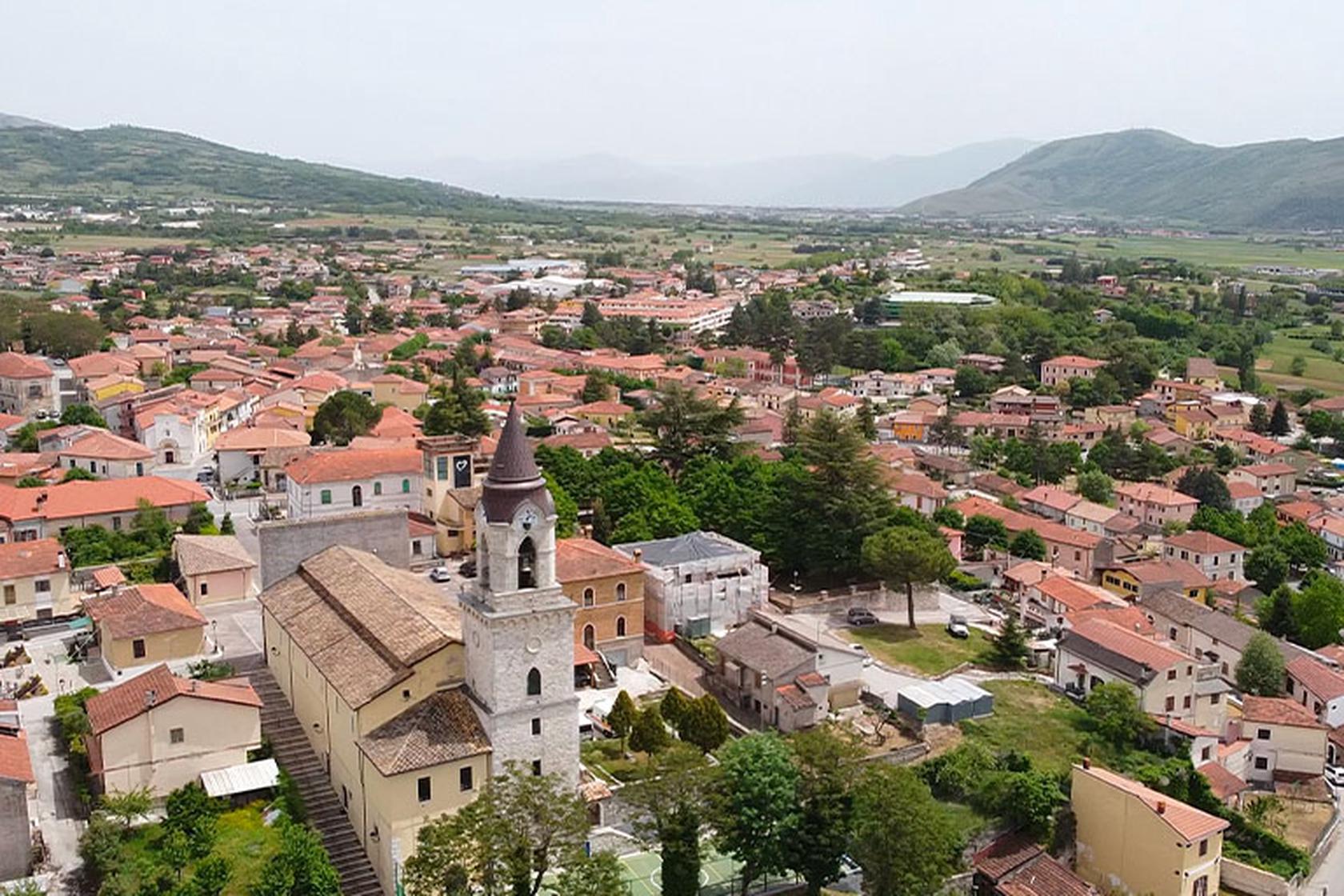
Magliano de’ Marsi stands on three small hills protected by the majestic heights of mt. Velino end surrounded by wildlife. Its beauty tells us about the strength end tenacity of its ancient inhabitants.
About four thousand people inhabit Magliano de’ Marsi end its two hamlets, Rosciolo and Marano. Its name is mentioned for the first time, in an ancient document (1250) about the income of Santa Maria in Valle Porclaneta church, where there is a clear reference to a church of Santa Maria in Magliano de’ Marsi.
In earlier times the village wasn’t an independent caste because it belonged to carce, a major center whose name, little by little began to lose importance until it disappeared in the XV century.
In the XVI century the new church of Santa Lucia in Magliano took the place of the ancient parish church of San Martino in carce.
In the XVII century, Magliano rapidly developed, and its population increased and almost doubled in fifty years. In 1860, Magliano was involved in risorgimental affairs after having voted in favour of the house of Savoy and Italian unity. For this reason, the village risked an attack and a sack by the French army led by the general La Grange, sent by house of Bourbon. This happened between 19 and 20 of october.
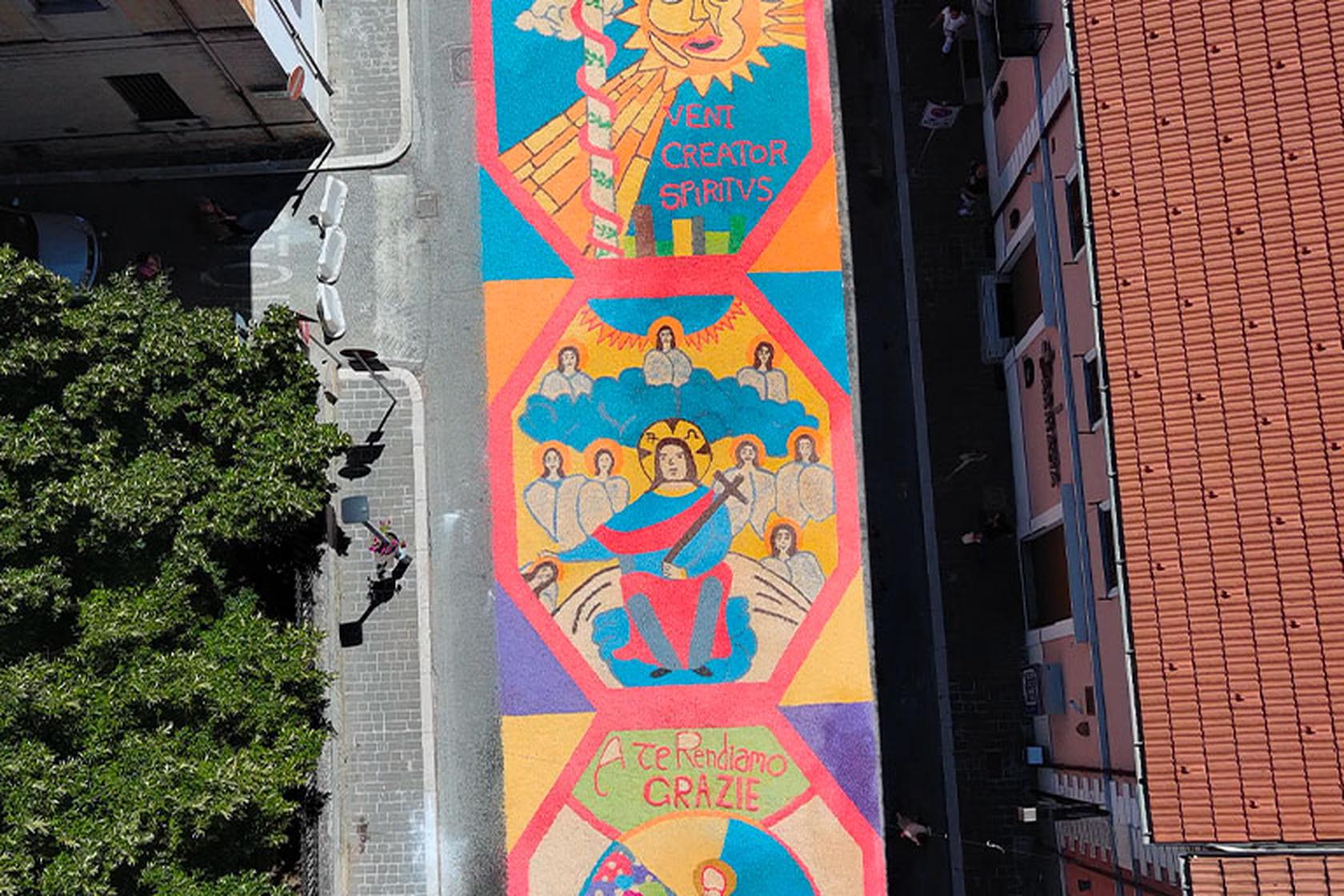
Tradition tells us that Magliano was saved thanks to the intercession of its patron saints John and Paul (two roman soldiers) and St. Lucy. Now days local people remember this event every year on 20 of October celebrating it by doing a procession an a historical commemoration. Two violent earthquakes (1904 and 1915) devasted the village and 621 people died. The parish church collapsed only the bell tower, didn’t fall down. It was designed by Tommaso Di Lorenzo and built in 1880. Although subsequent events due to Italy joining the first world war, the inhabitants of Magliano rebuilt their village and 22 years later their church, symbol of their faith was rebuilt and the first holy mass was celebrated on Christmas night, 1937.
Food
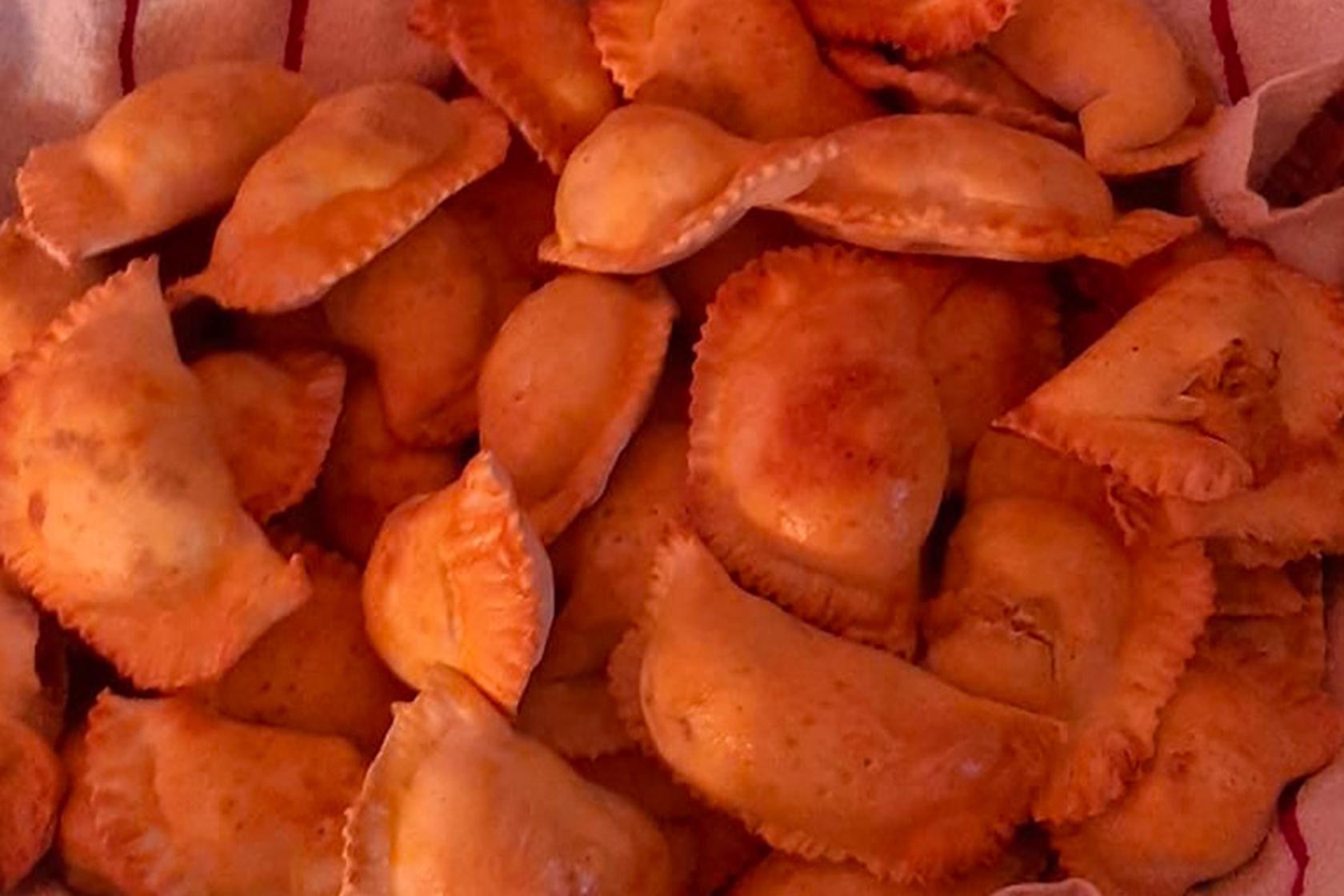
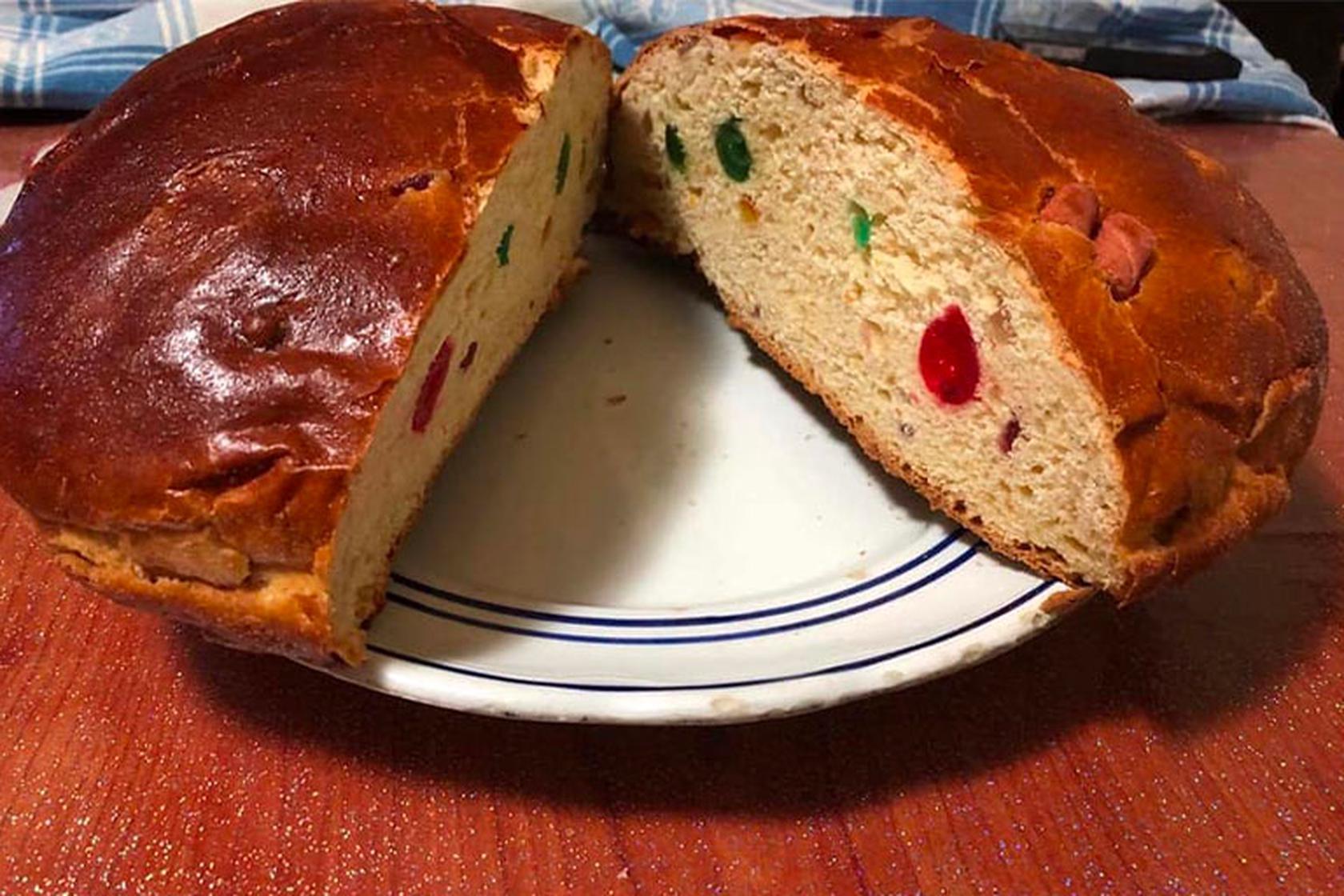
1) Pallotte Cacio e Ova: traditional cheese and egg meatballs. Their origins date back to ancient peasant cuisine, capable of transforming simple ingredients into an absolutely delicious dish;
2) Maccheroni alla chitarra: a typical Abruzzese fresh egg pasta, cut with the special stringed tool and dressed with meat ragù, often made with lamb or mixed meats, with a strong and genuine flavor linked to the Marsican farming tradition;
3) Arrosticini di pecora: skewers of sheep meat cut into cubes and grilled over charcoal. They are enjoyed hot, with bread and olive oil, enhancing the intense flavor of meat raised in mountain areas;
4) Pecora ajo cotturo: an ancient pastoral dish: sheep meat slowly cooked in a cauldron with garlic, aromatic herbs and wine. The long preparation makes the meat tender and flavorful, symbolizing Marsican rural traditions;
5) Marsican soups and broths: made from legumes, grains and seasonal vegetables. Warm and wholesome dishes that reflect local peasant cuisine, based on simple ingredients and tied to the rhythms of rural life;
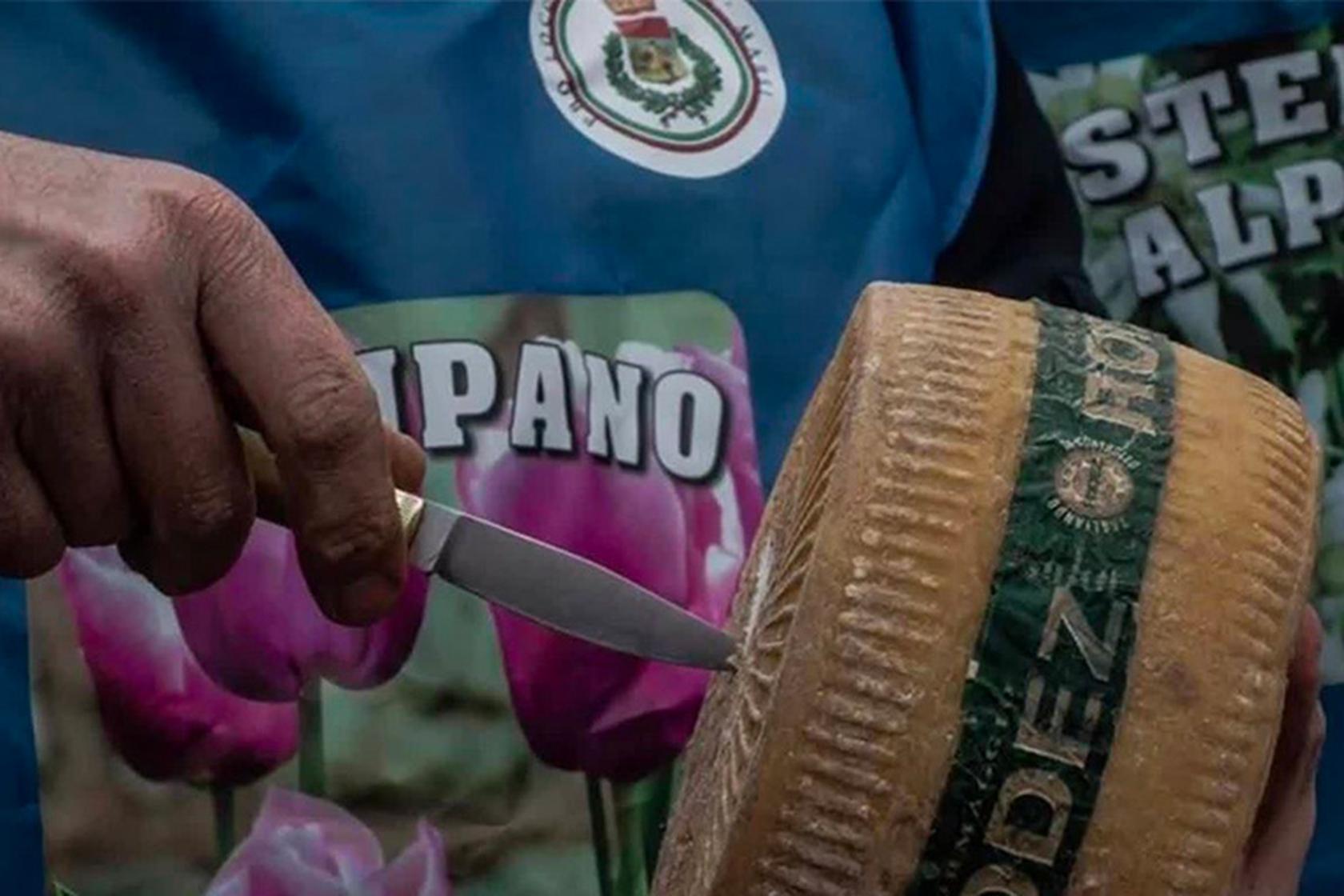
6) Pecorino cheeses and cured meats: typical products such as artisanal sausages and hams, derived from local sheep and pig farming. Intense and authentic flavors that accompany homemade bread and local wine, expressing the gastronomic identity of the Marsica region
Wines and other drinks
In Magliano de’ Marsi, the winemaking tradition is linked to the wines of the Marsica area: full-bodied red wines such as Montepulciano d’Abruzzo, rosé wines, and white wines made from Trebbiano and Malvasia grapes, produced by the Cantina Cooperativa del Fucino and local wineries. Also typical is vino cotto, obtained from slowly cooked Montepulciano grapes. During local festivals, craft beers from the area are often available, as well as herbal liqueurs (amari) from the nearby Marsican territory.
Points of Interest
1) Historic Centre of Magliano de’ Marsi – ancient village with traditional architecture: The historic centre of Magliano de’ Marsi, at the foot of Mount Velino, is a medieval village of stone alleys, arches and small intimate squares. The houses, built with local stone and thick walls, preserve carved portals and wrought-iron balconies. The historic churches and views over the Marsica area tell of an authentic tradition, still alive in local festivals and daily life;
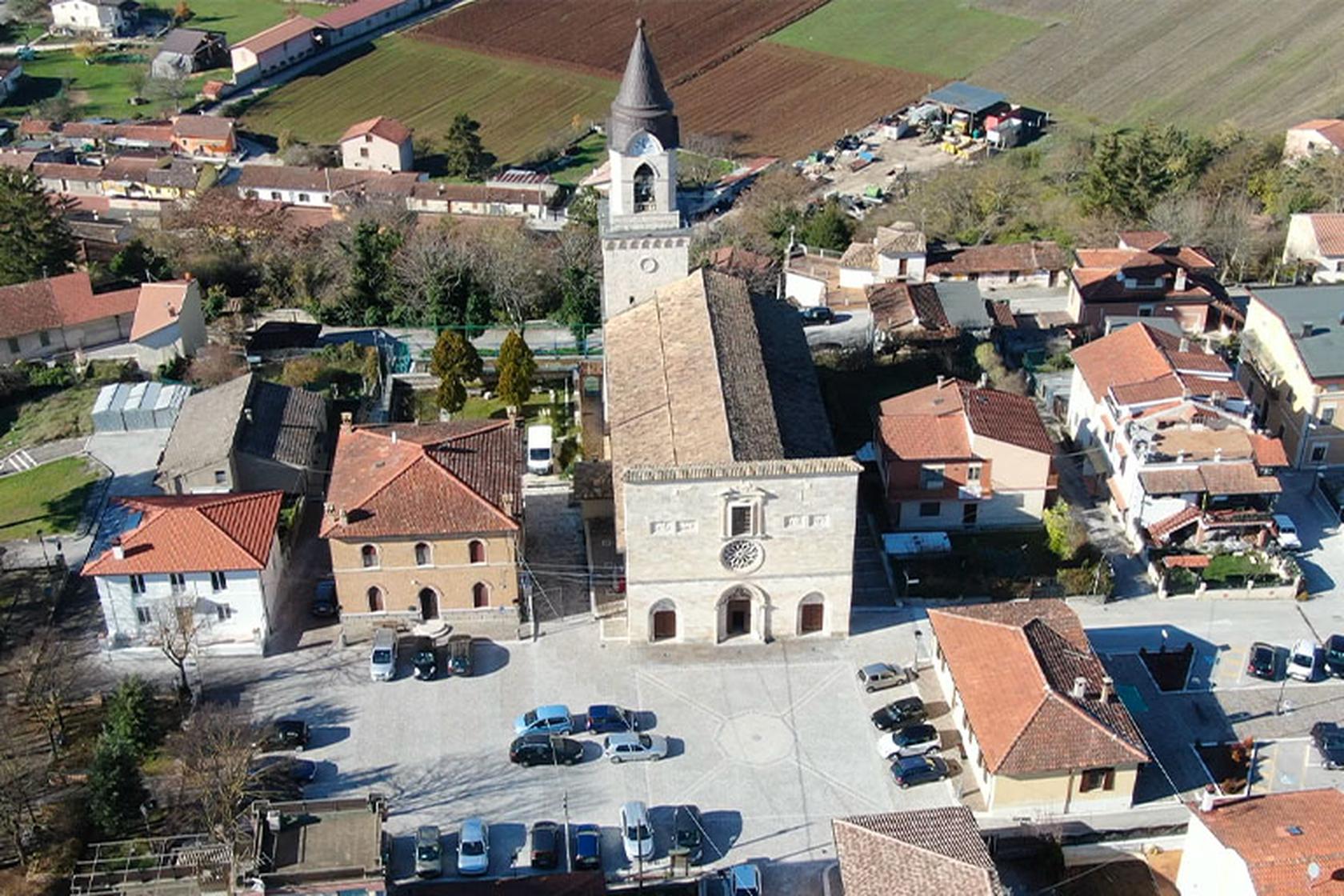
2) Church of Santa Lucia: The Church of Santa Lucia in Magliano de’ Marsi is a historic monument dating back to the 13th–14th century, featuring three pointed-arch portals and a large rose window on the façade, an example of Romanesque-Gothic art. Destroyed by the 1915 earthquake and rebuilt in 1937 following the original layout, it preserves medieval bas-reliefs and the inscription of the magic square “Rotas Opera Tenet Arepo Sator”;
3) Church of Madonna di Loreto: The Church of Madonna di Loreto in Magliano de’ Marsi (AQ) is a small historic church with a rectangular plan and a single nave, located in the heart of the old village. Inside, valuable medieval frescoes depicting scenes from the life of the Virgin are preserved, recently restored, testifying to the town’s ancient Marian devotion and local ecclesiastical artistic heritage;
4) Church of Santa Maria in Valle Porclaneta: The Church of Santa Maria in Valle Porclaneta is an 11th-century Romanesque church, today what remains of a Benedictine abbey founded around 1048 on the slopes of Mount Velino in the area of Rosciolo dei Marsi. It preserves a simple medieval structure with precious sculptural furnishings, including an ambo, ciborium and traces of an iconostasis of great artistic value, bearing witness to the history and sacred art of the Marsica region;
5) Monte Velino Oriented Nature Reserve: a protected area of mountains, forests and high-altitude pastures. Dominated by the Monte Velino massif, it offers vast panoramas, wild valleys and rich biodiversity, with alpine species and original habitats. Ancient trails cross forests and clearings, ideal for excursions immersed in nature and the quiet of the Apennines;
6) Monumental Tomb of King Perseus: The Monumental Tomb of King Perseus in Magliano de’ Marsi is an archaeological site along the ancient Via Valeria, where the ruins of a large Roman-era funerary monument are preserved, traditionally interpreted as the burial place of Perseus, the last king of Macedon. The attribution to Perseus is not historically confirmed, but the site remains evocative and testifies to the ancient presence in the area.
Videos Stage 03

Tirreno Adriatico Crédit Agricole | Stage 3 | Highlights
11 Mar 2026
Tirreno Adriatico Crédit Agricole 2026 | Stage 3 | Last KM 🇬🇧
11 Mar 2026Photos Stage 03
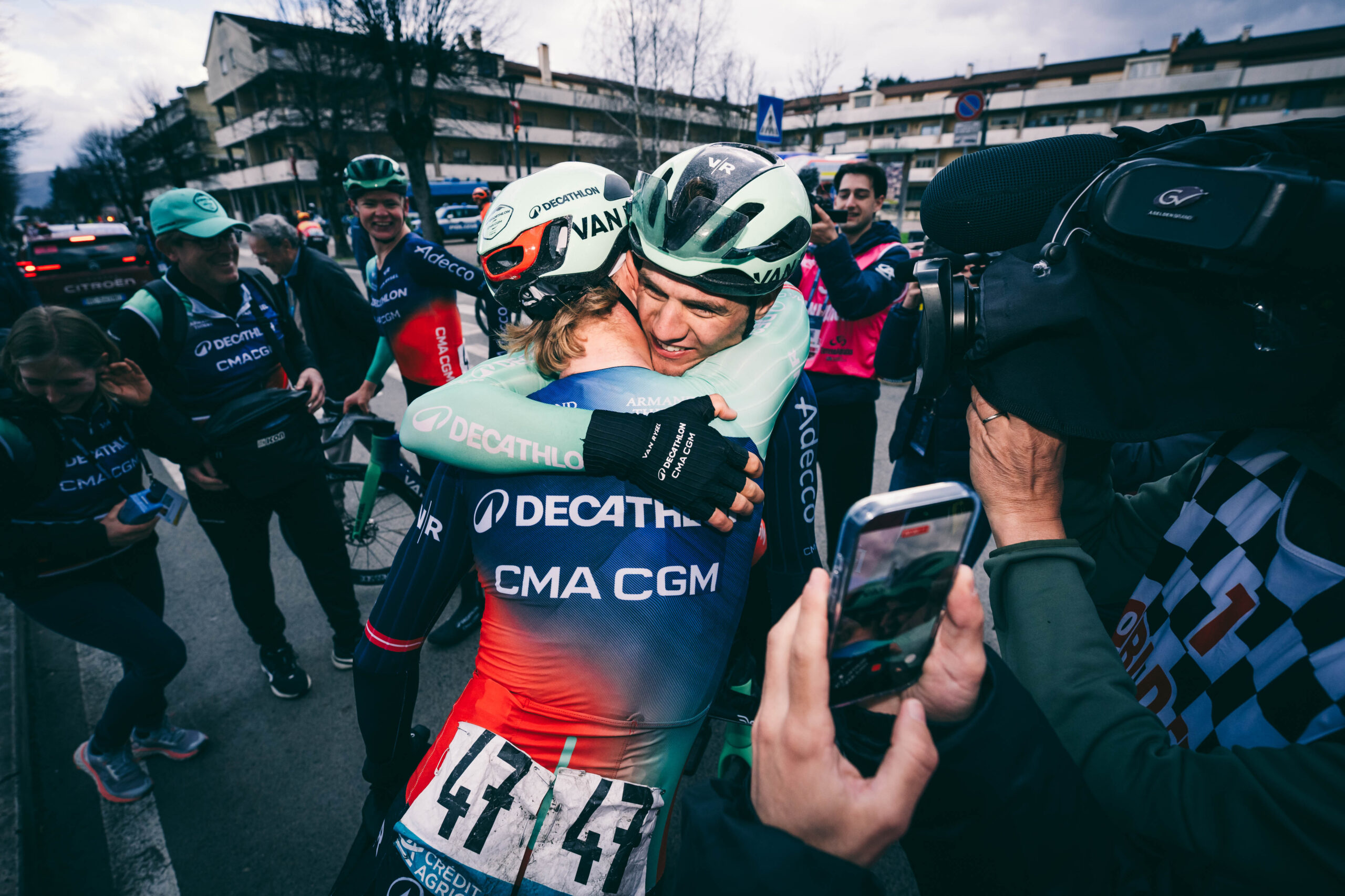
Tirreno Adriatico Crédit Agricole 2026 | Stage 3 | Best of
11/03/2026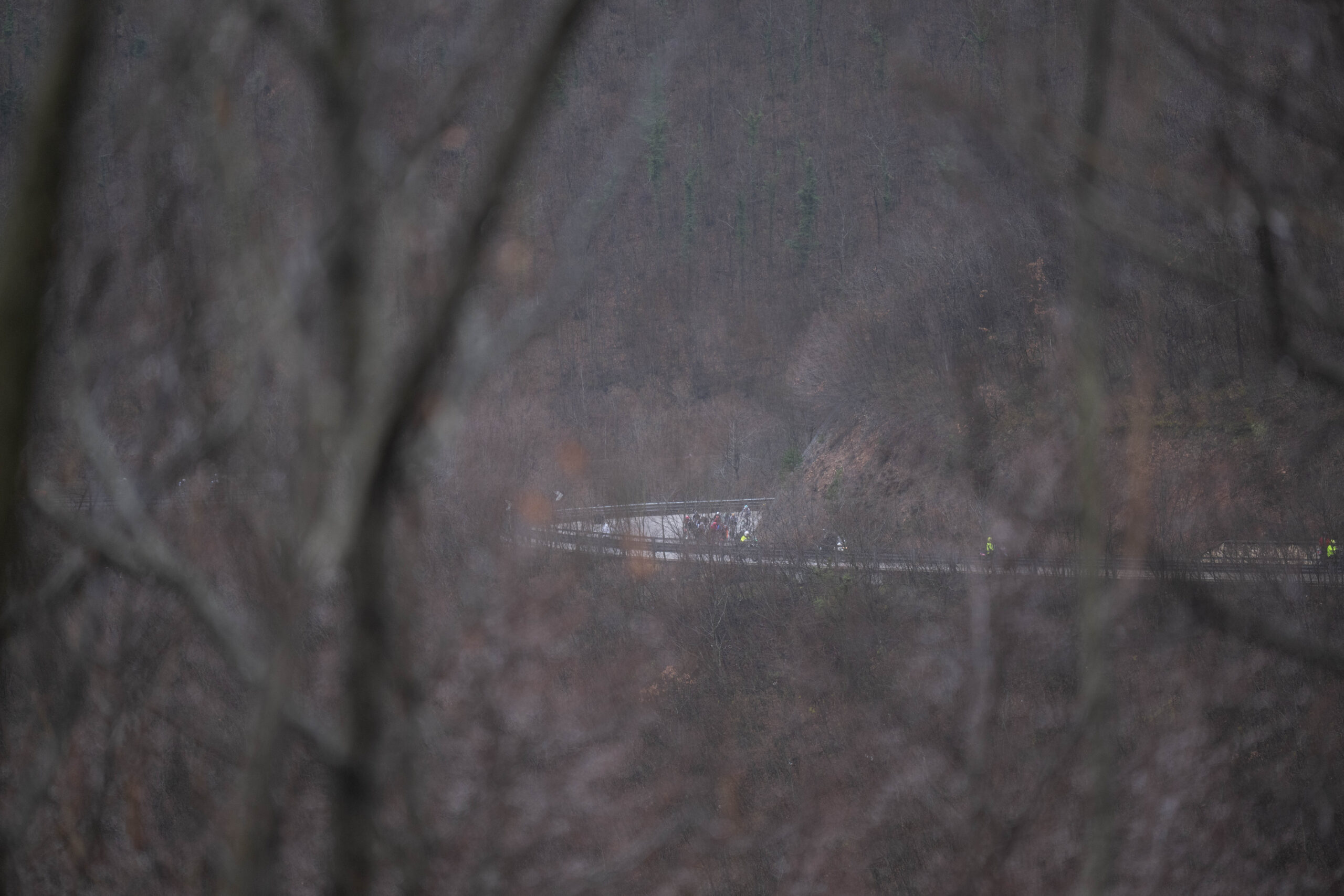
Tirreno-Adriatico Crédit Agricole 2025 | Stage 3 | Best of
12/03/2025