





learn more
technical info
profile
map
technical info
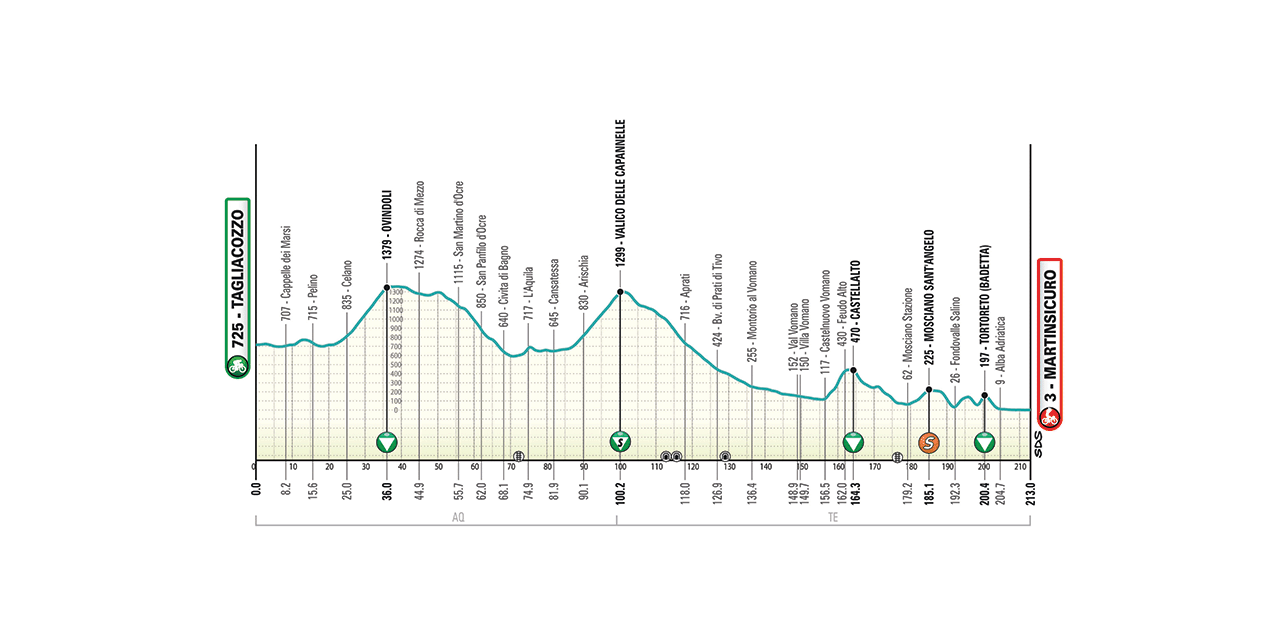
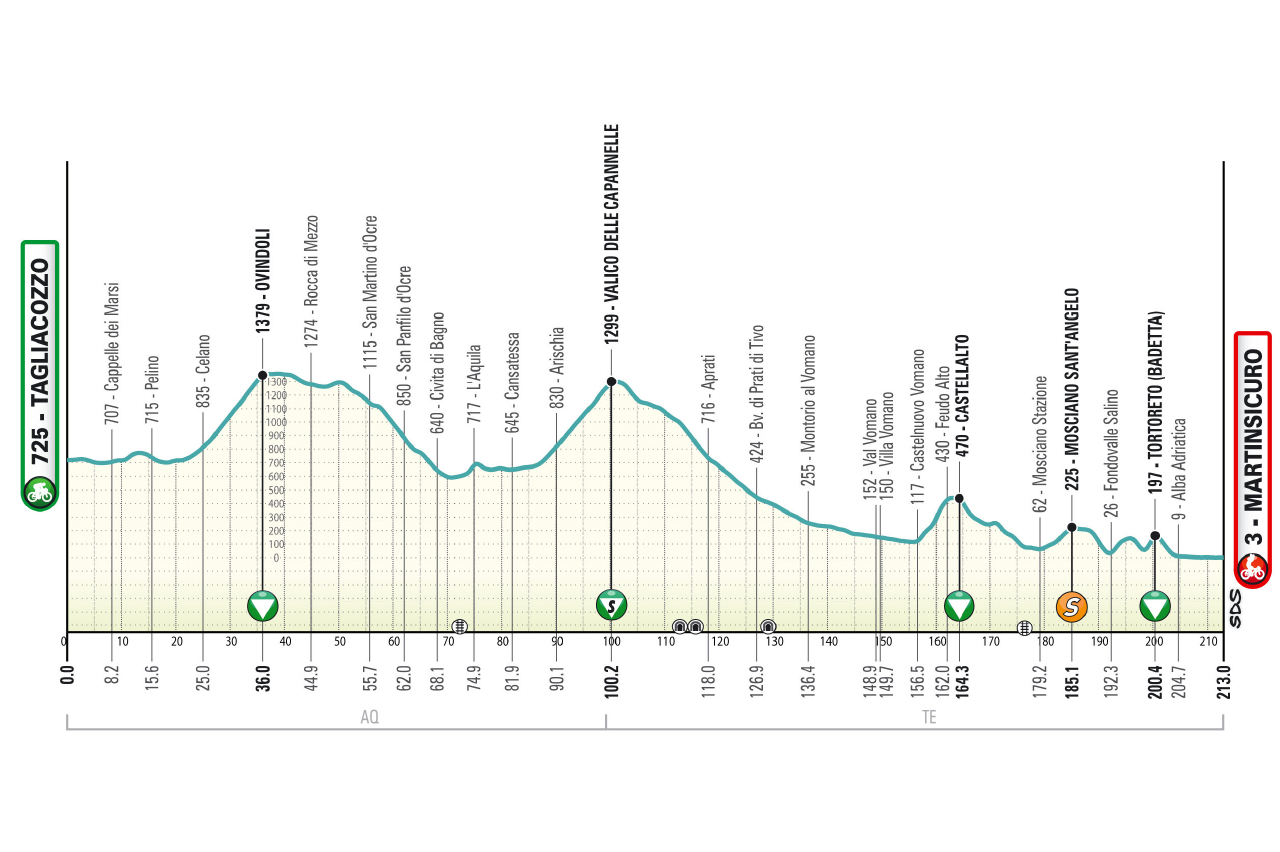
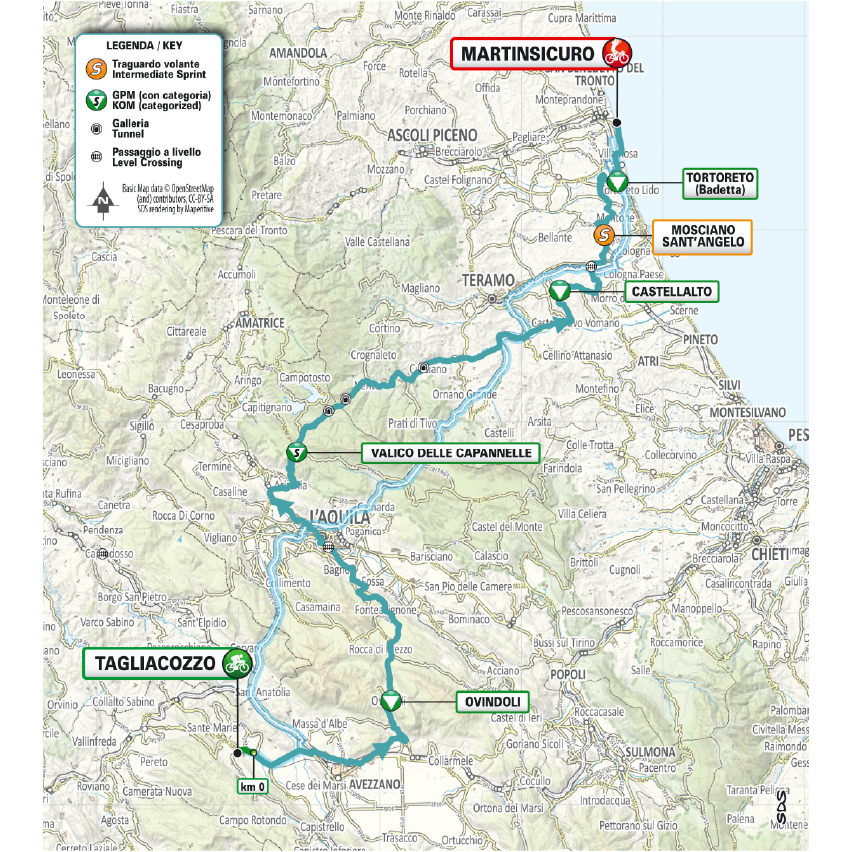
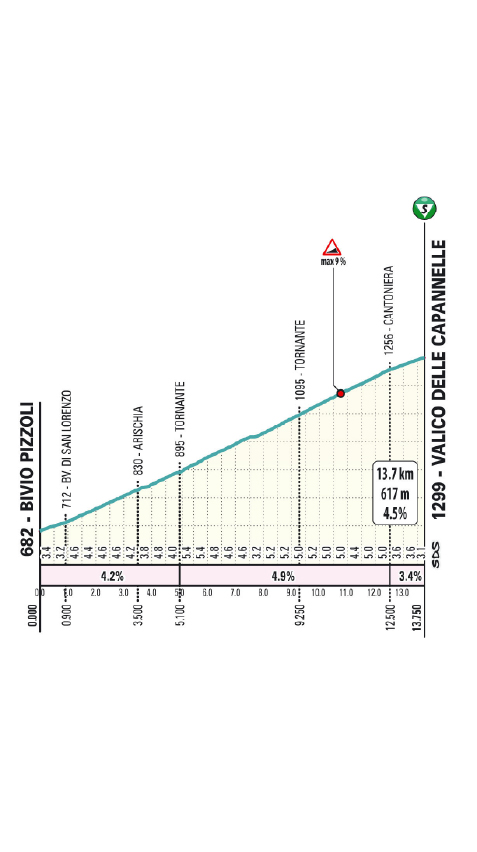
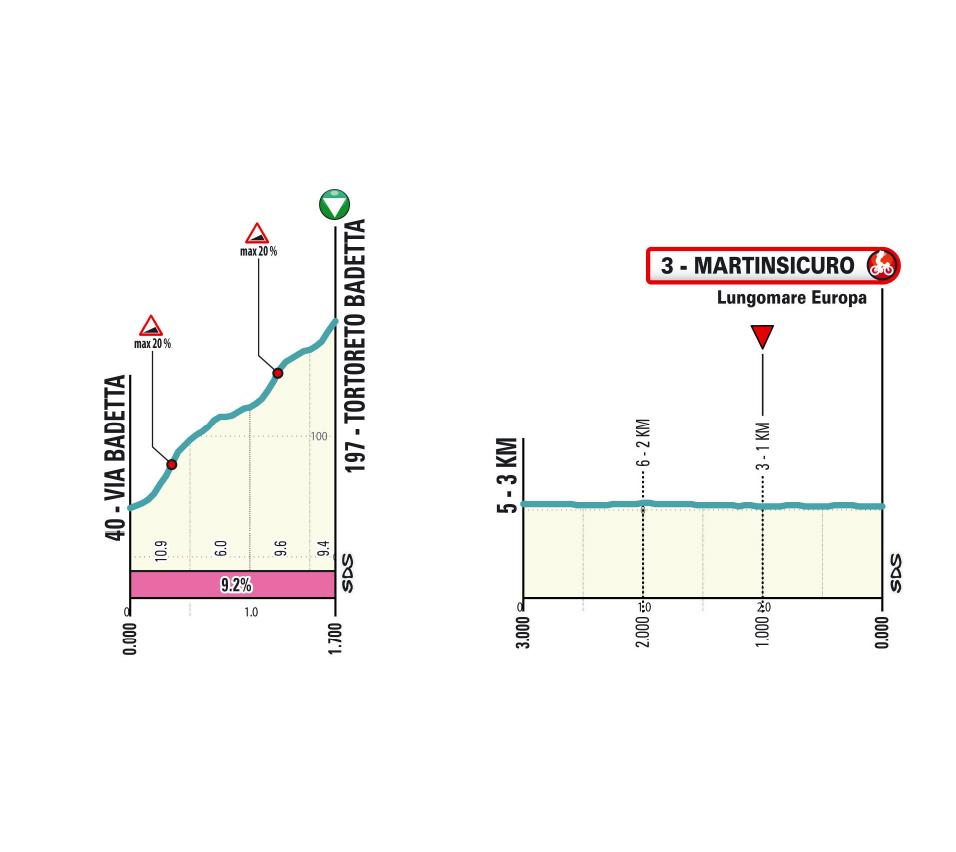
The stage opens with two classic Apennine climbs – Ovindoli and the Valico delle Capannelle – followed by a long descent follows toward Teramo. The finale consists of a succession of steep climbs and short, sharp “walls”. The riders tackle Castellalto (with gradients around 12% for extended sections), Mosciano Sant’Angelo, and, 12 km from the finish, the Tortoreto wall via Badetta, which ramps up to 20% in its final section. A short descent precedes approximately 8 km along the seafront to the finish.
Final kilometers
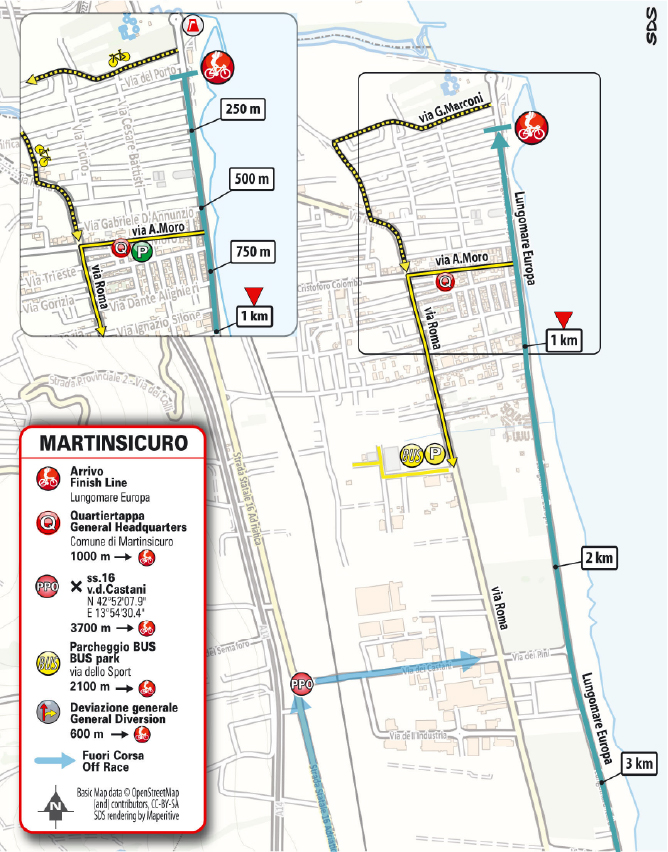
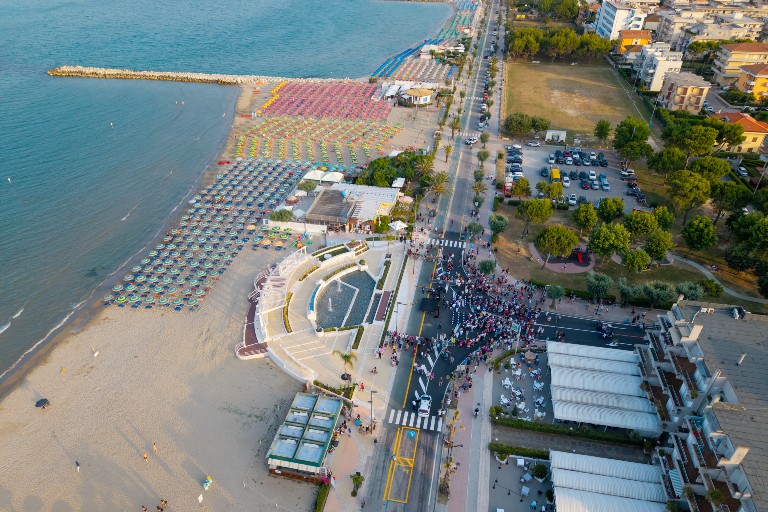
The final kilometers are flat and straight along the Martinsicuro seafront. Finish on 8-meter-wide tarmac.
start / finish
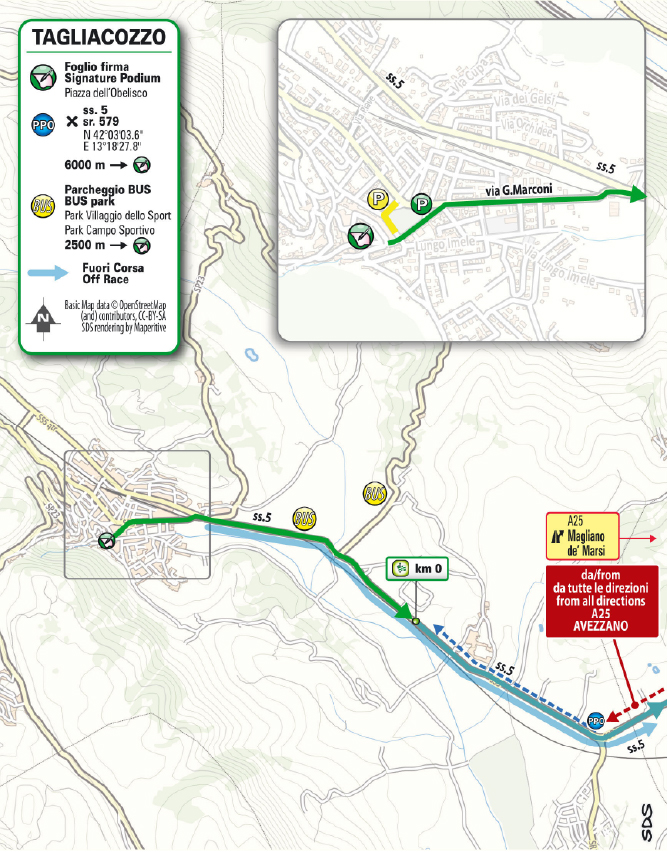
climb detail
final kilometres
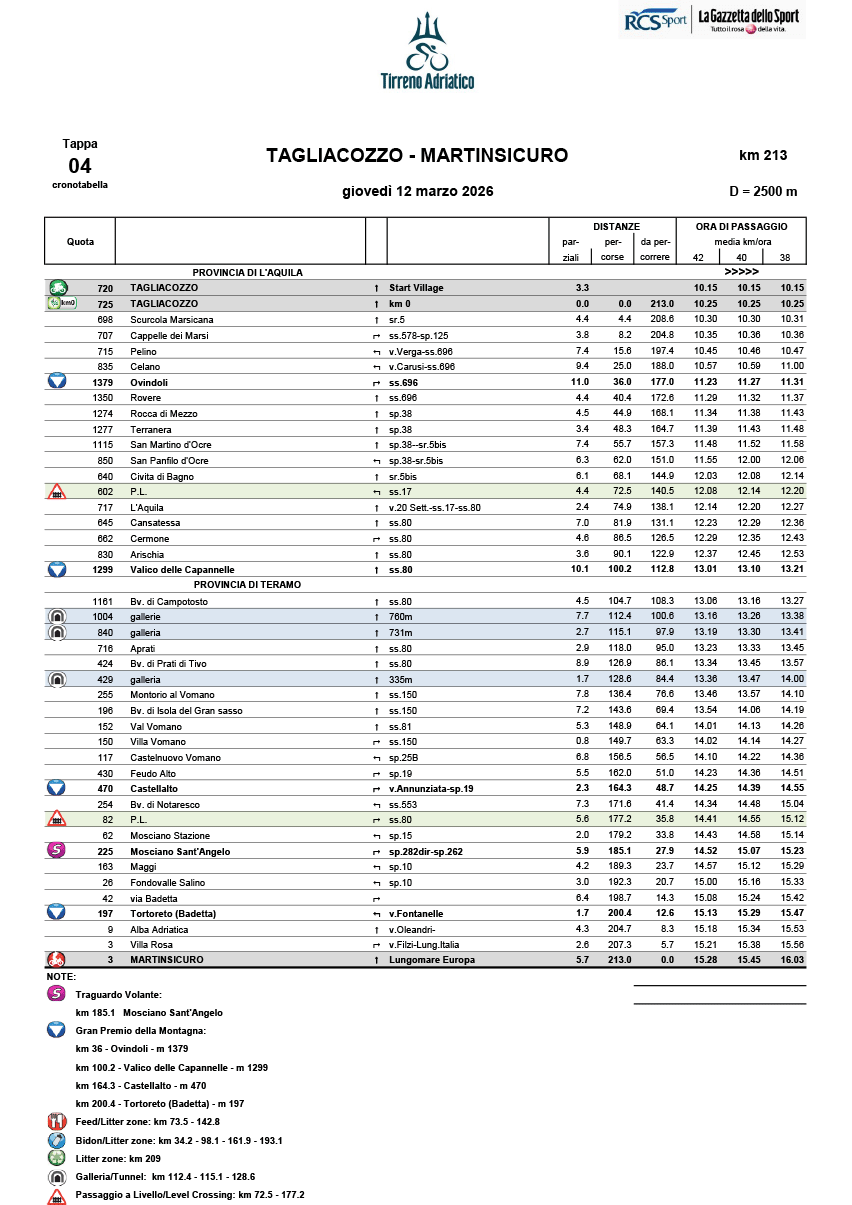
itinerary timetable
tourist info
Host city:
Tagliacozzo
Overview
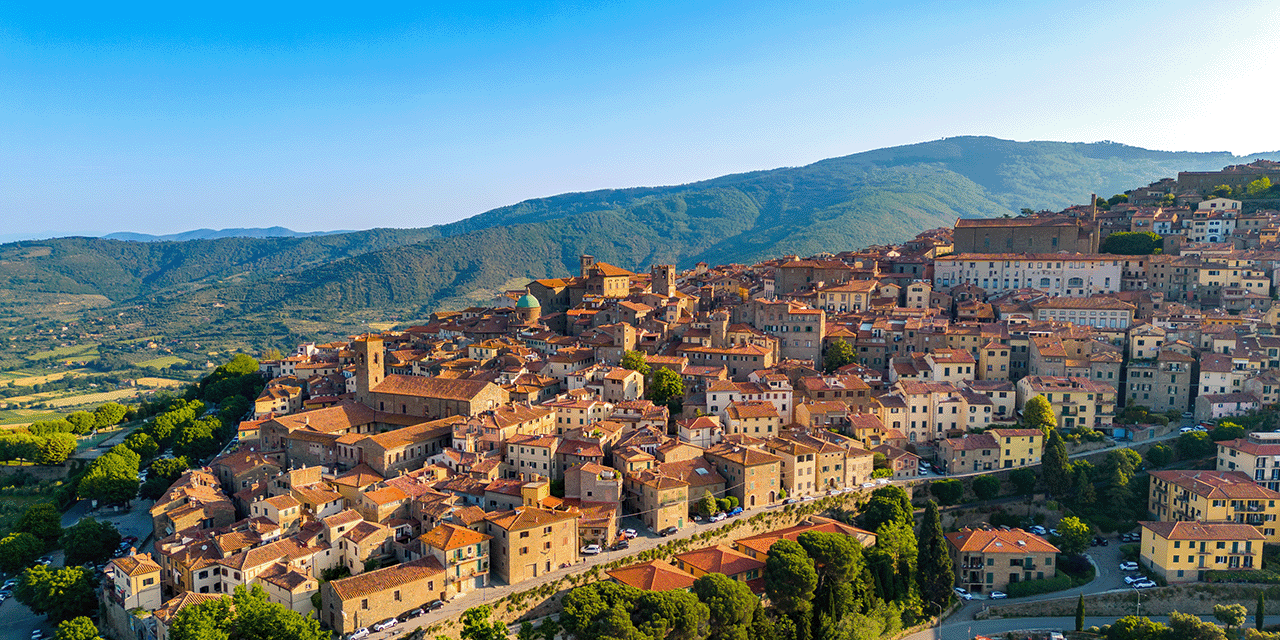
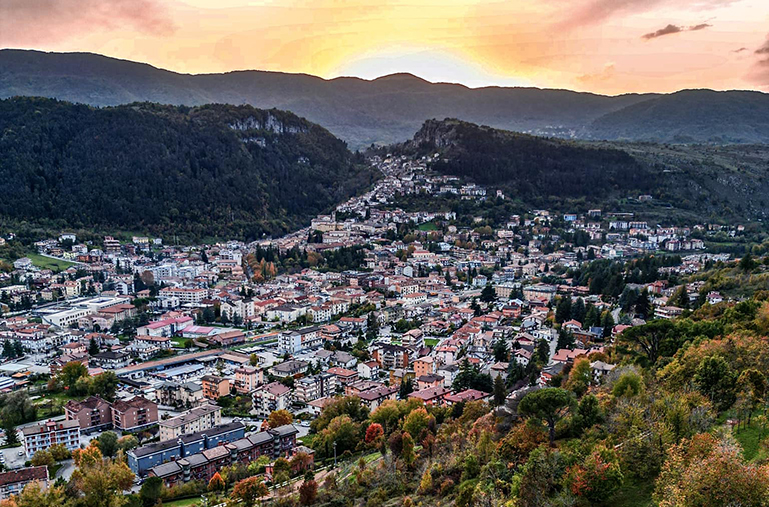
“… And there at Tagliacozzo, where without arms, The old Alardo conquered…” is the verse from Canto XXVIII of Inferno in which Dante Alighieri – the only reference to a place in Abruzzo – mentions this ancient town, recalling the famous battle of August 23, 1268. On that day, the last descendant of the Swabians, Conradin, was defeated by the French king Charles of Anjou. The event marked the end of Swabian rule in southern Italy and the beginning of Angevin domination.
The village, founded within a mountain cleft from which it takes its name (“talea cotium” – cut in the rock), has held city status since the late 15th century. It was a fief of the de Pontibus family and later of the noble and powerful Roman families of Orsini and Colonna. From the late 19th century to the present day, it has been a renowned tourist destination, where visitors can admire historic palaces and churches, enjoy nature excursions and outdoor activities, and savor excellent food and fine Abruzzese wines. The town has just under seven thousand residents, but its population grows significantly during weekends, holidays, and especially in summer. The city hosts numerous recreational and cultural events, the most important being the great Festa della Benedizione o del Volto Santo, which is also the Festival of the Municipality, celebrated on the Sunday after Easter. Other major events include the International Mid-Summer Festival of Music, Dance, and Theater and a prestigious Contemporary Art Exhibition, both held from late July to the end of August.
Food
Tagliacozzo, a village in the inland area of Abruzzo bordering Lazio and the ancient territory of the Kingdom of Naples, has, over the centuries, been influenced by Roman and Neapolitan culinary traditions.
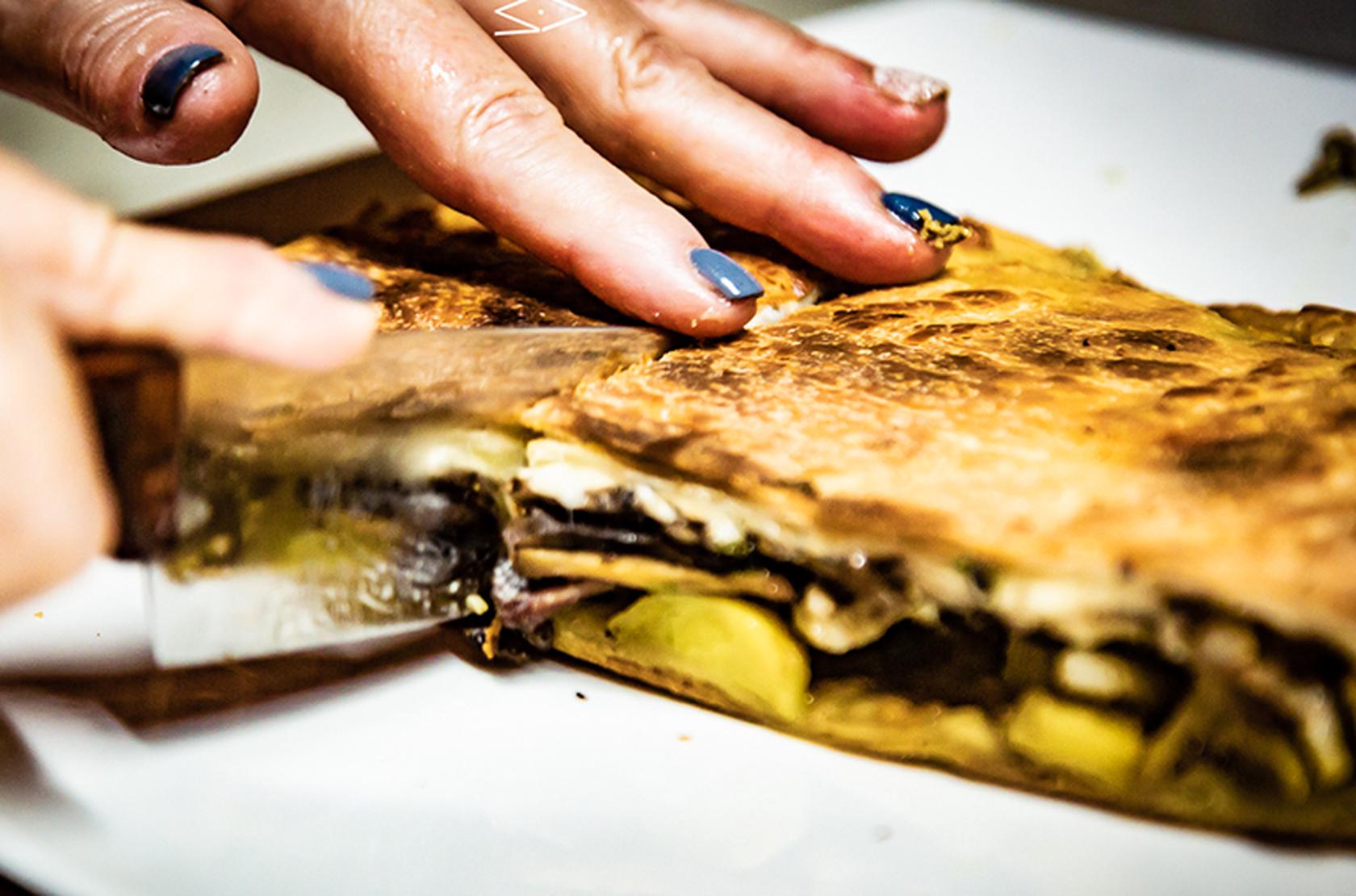
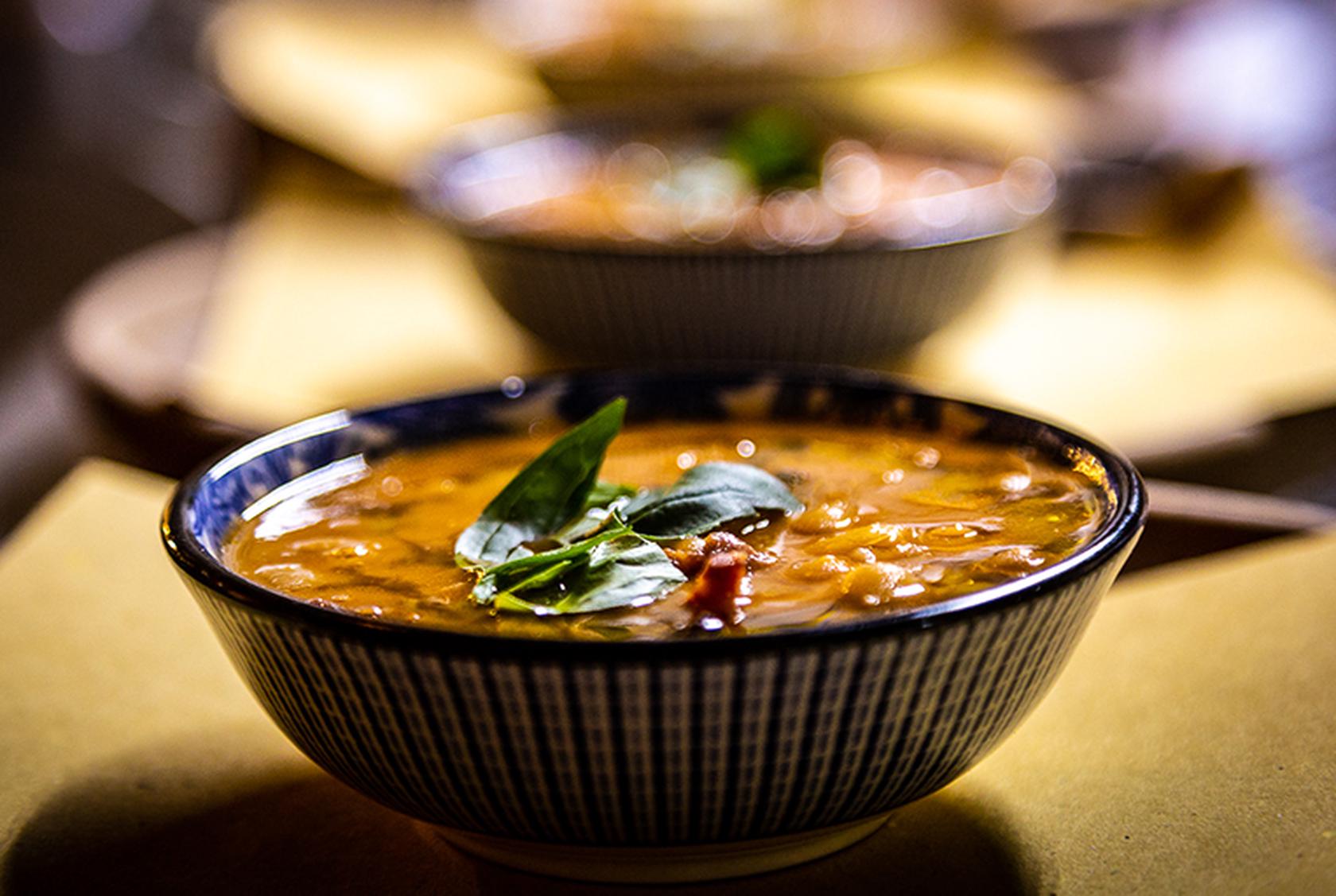
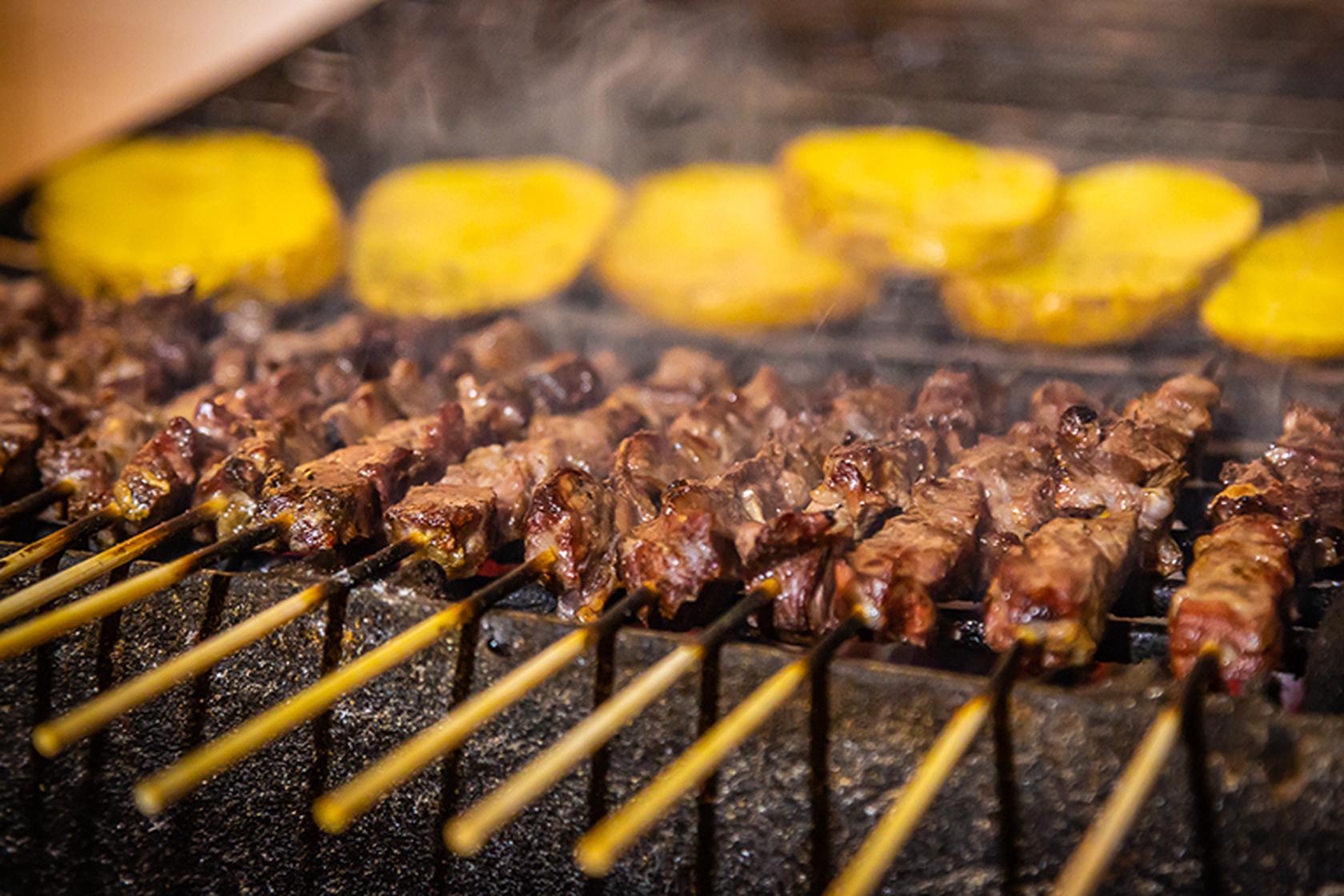
From the classic, richly seasoned baked pasta timbale to traditional mountain soups such as small gnocchi with chickpeas and maltagliati pasta with lentils, to “ajjo cotturo” mutton and roasted lamb. The local dairy production is also excellent, featuring medium- and long-aged cheeses, as well as traditional pork butchery, with both fresh and cured sausages.
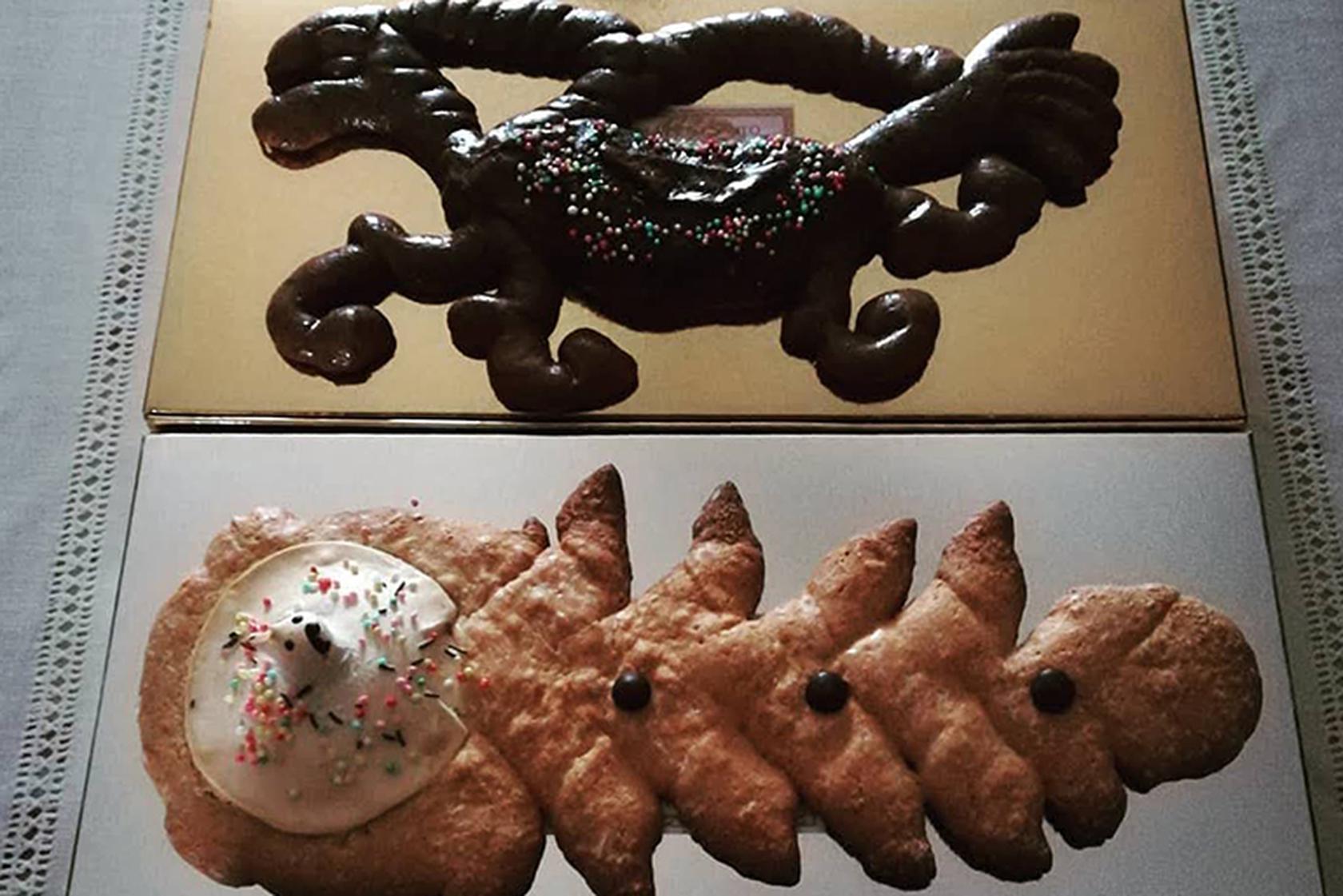
Other typical local dishes include cornmeal pizza with “sfrizzojji” (fried pork scraps) and “pizza summa.” A special mention goes to the Cloistered Nuns of the ancient Benedictine Monastery of Saints Cosmas and Damian, who prepare traditional sweets shaped like little horses for boys and doves for girls on the occasion of the “Feast of the Blessing,” and who also produce jams and liqueurs.
In Tagliacozzo, throughout the year, it is also possible to taste traditional Christmas sweets made with walnuts and honey, filled wafers (known as cialde or nevole), and, on major feast days, the so-called “zuppa inglese,” made with sponge cake and custard creams.
Among the wines, those of the Abruzzo tradition stand out, including the excellent Montepulciano and Trebbiano varieties.
Points of Interest
PIAZZA AND FONTANA DELL’OBELISCO
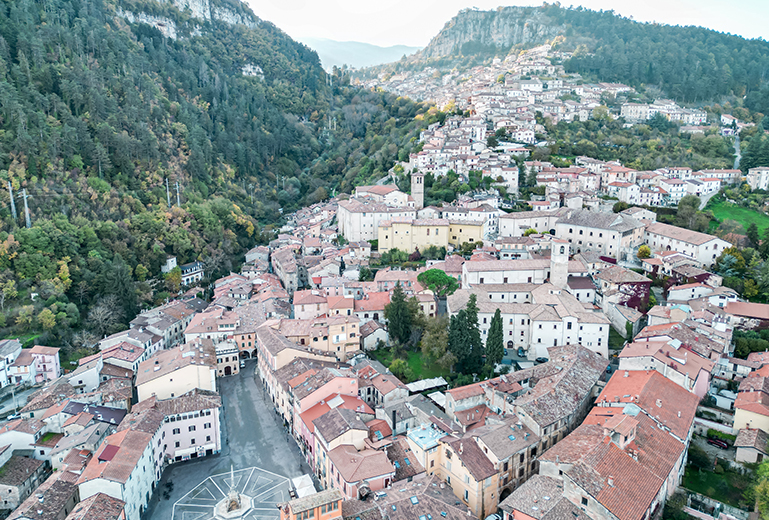
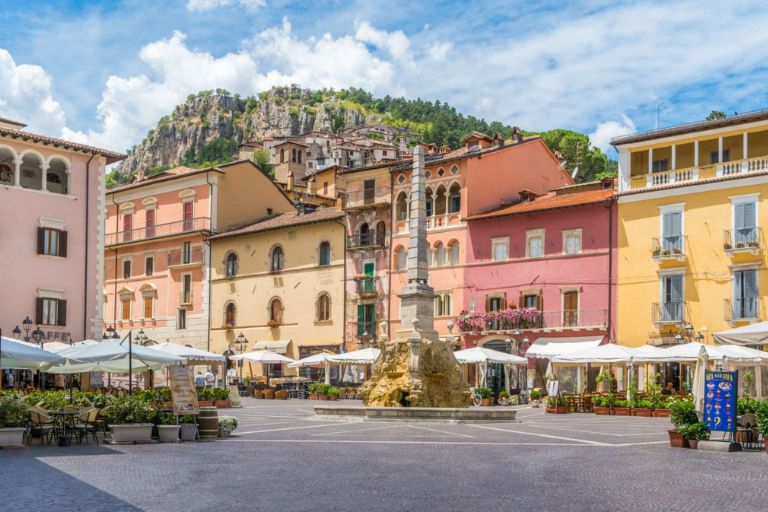
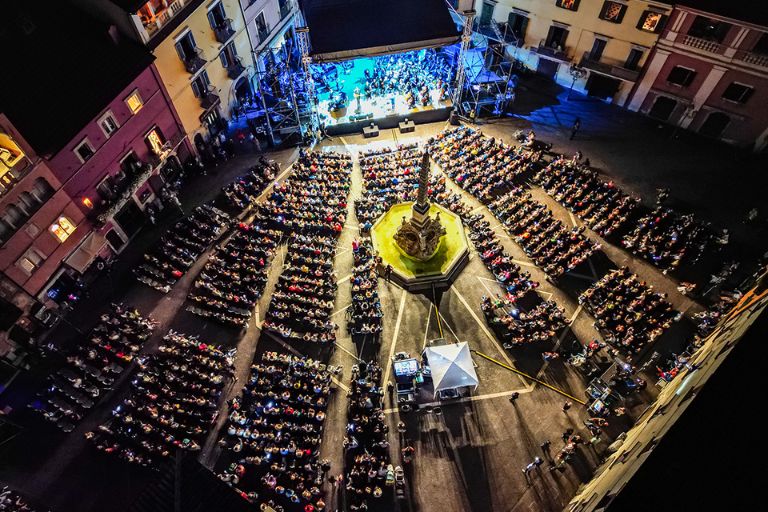
Piazza dell’Obelisco, illuminated in honour of the 100 Days to the Giro d’Italia celebration, is the most iconic landmark of the City of Tagliacozzo. It is a harmonious square enclosed by historic buildings, at the center of which stands the fountain of the same name, turning 200 years old in 2025. Among the most significant buildings are the 15th-century Palazzo del Governatorato, from the time of the Orsini family, the 16th-century Palazzo del Governatore under the Colonna rule, and the 17th-century Palazzo Fallace, featuring a splendid loggia. The square was originally surrounded by a perimeter arcade, but in the 19th century, its arches were enclosed to create artisan workshops and commercial spaces.
The Fountain of the Obelisk, built in 1825 in honor of Saint Anthony of Padua, follows the style of Roman Baroque fountains: atop an irregular rocky base rises a stone obelisk, crowned by a bronze cross. Before the fountain was erected, the center of the square housed a large stone chair, known locally as the pilozzo, which served as a pillory. Debtors unable to pay were publicly humiliated by being made to sit on it with their trousers lowered. On the 12th of March, the square will be the theater of the Tirreno Adratico 4th stage start.
CHURCH AND CONVENT OF SAINT FRANCIS
The church, officially recognized on November 20, 1233, is one of the first sacred buildings dedicated to Saint Francis of Assisi, just seven years after his death in 1226. Its architecture, with perfectly Gothic lines, preserves some of the city’s most valuable historical and artistic treasures, including: a late 15th-century altarpiece depicting the Virgin Mary between Saint Mary Magdalene and Saint Elizabeth, a gift from the Orsini family; 17th-century statues of the Immaculate Virgin and Saint Anthony of Padua; a 16th-century wooden Crucifix; and the Bronze Urn containing the mortal remains of Blessed Thomas of Celano, the first biographer and companion of Saint Francis, as well as the author of the Dies Irae.
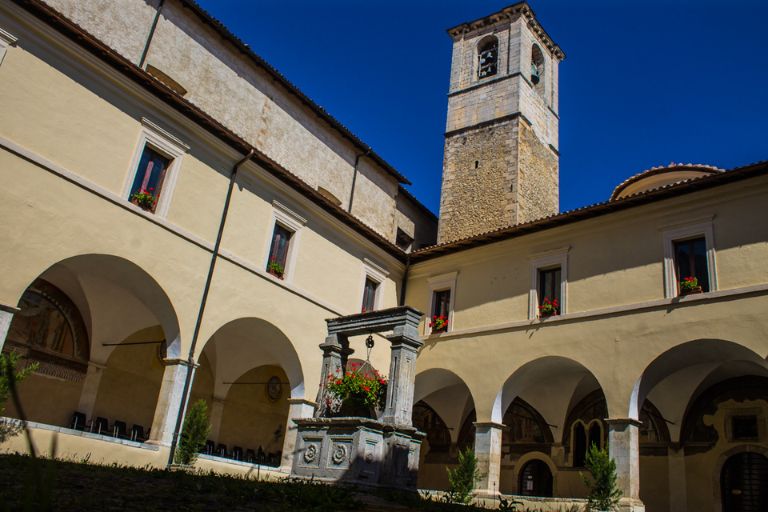
In the 16th-century Cloister, visitors can admire 17th-century frescoes from the Roman school, depicting scenes from the life of Il Poverello d’Assisi and the Franciscan family tree.
TALIA THEATER
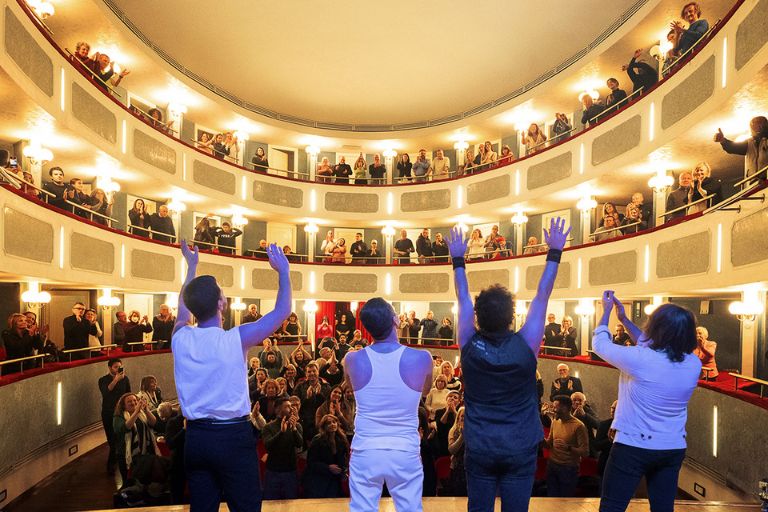
Built in the 17th century by a Duke of the Colonna family, following the model of the Court Theater in Palazzo Colonna in Rome, the building was later modified and, by the late 18th century, took on its current form as a classic Italian-style theater, complete with a stage, stalls, and three tiers of boxes. The façade dates back to the late 18th century.
The theater is named after the Muse Thalia, the protector of theatrical arts, who, according to legend, also gave her name to the city. It is said that she once stayed in a cave near the springs of the Imele River, giving rise to the name Taliae Otium, meaning “Thalia’s retreat.”
DUCAL PALACE ORSINI-COLONNA
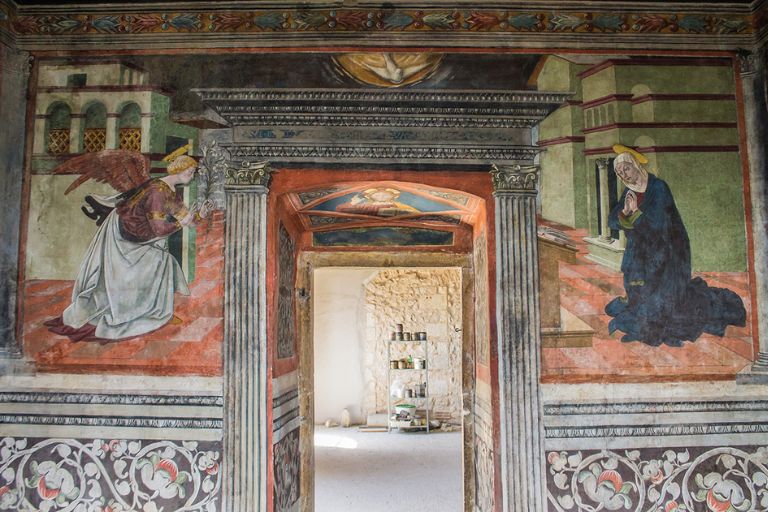
An architectural and historical monument among the most important in Italy, this building dates back to the 13th century. Over the 15th and 17th centuries, it was expanded and enriched by the noble families who resided there: the de Pontibus, local feudal lords; the Orsini, who ruled the County of Tagliacozzo until the late 1400s; and the Colonna, who held the Duchy of Caput Marsorum until the end of feudalism.
Inside, passing through the grand Renaissance halls, visitors can reach the Palatine Chapel, where frescoes from the second half of the 15th
IMELE SPRINGS
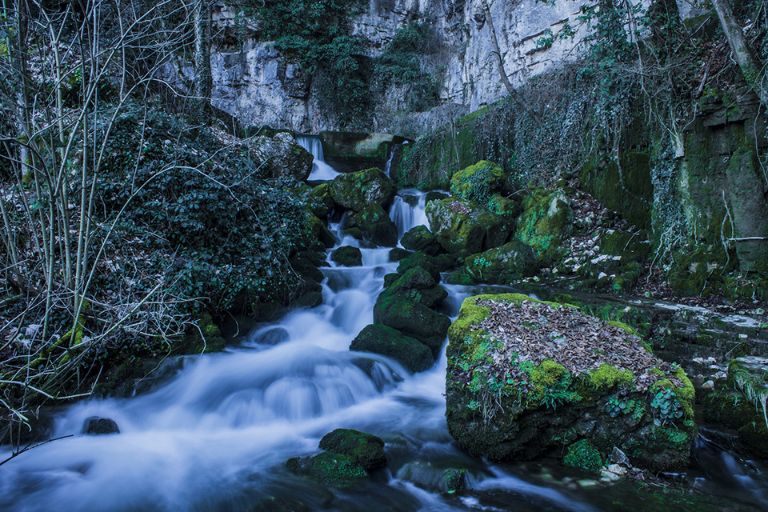
Just a few hundred meters from the historic center, a shaded and accessible path runs alongside the ancient mills and follows the course of the Imele River, leading to the base of the rocky outcrop from which the river—celebrated in Virgil’s Aeneid—springs anew from the depths of Mount Aurunzo.
Martinsicuro
Overview
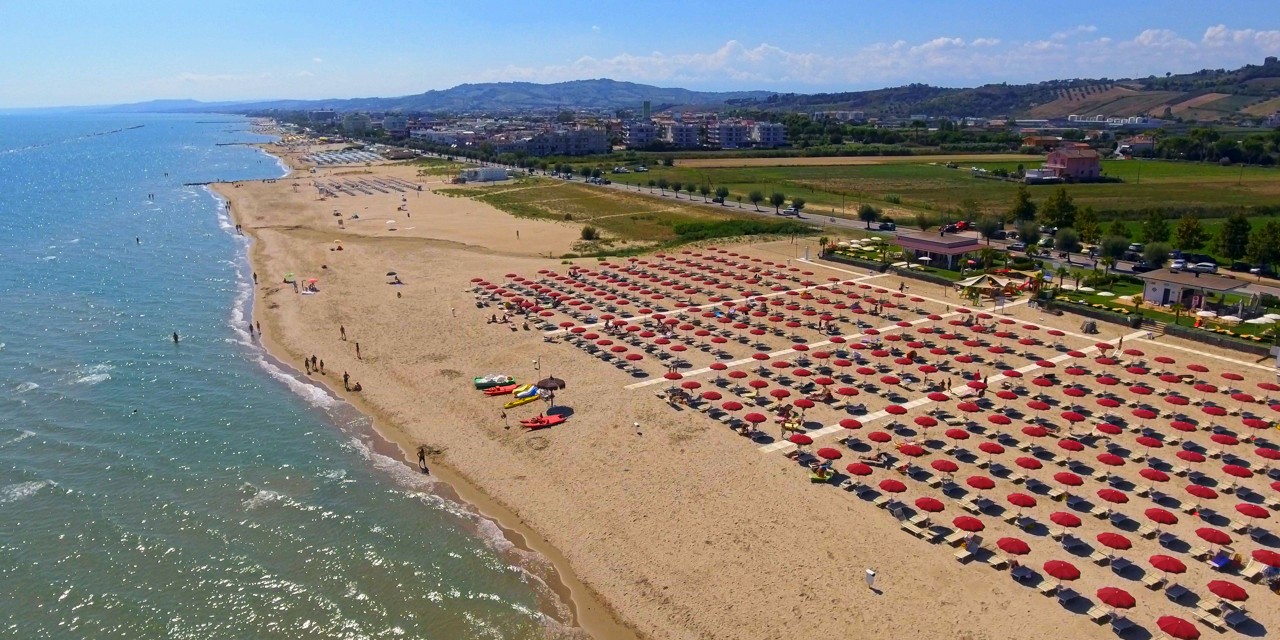
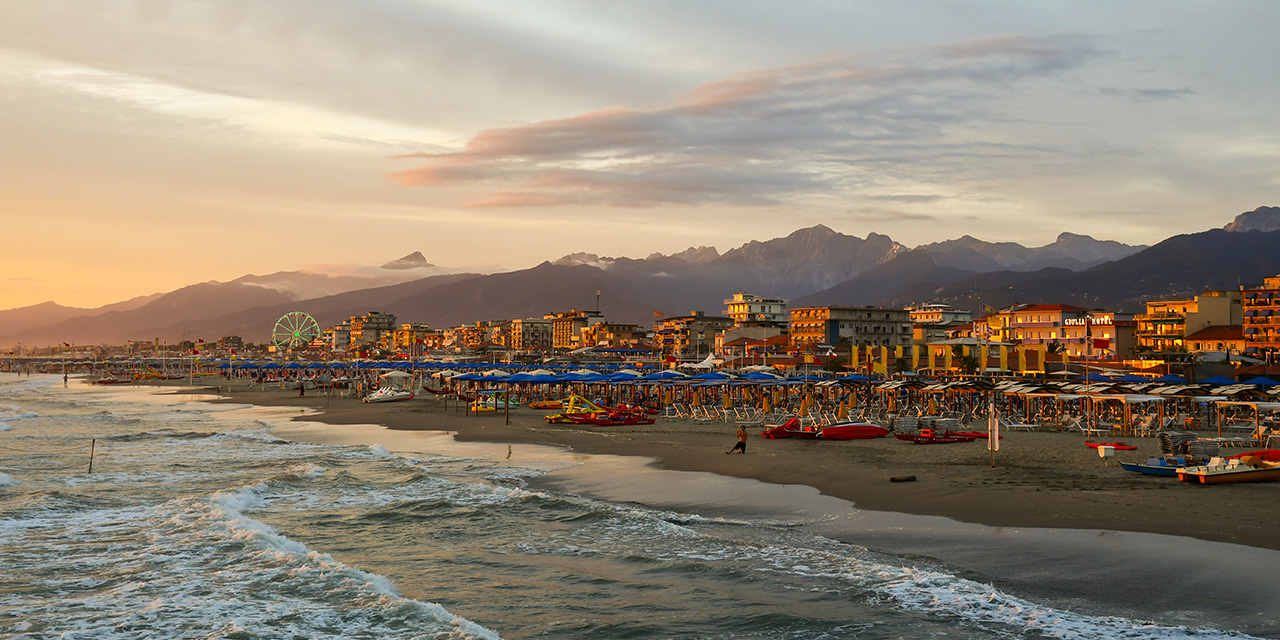
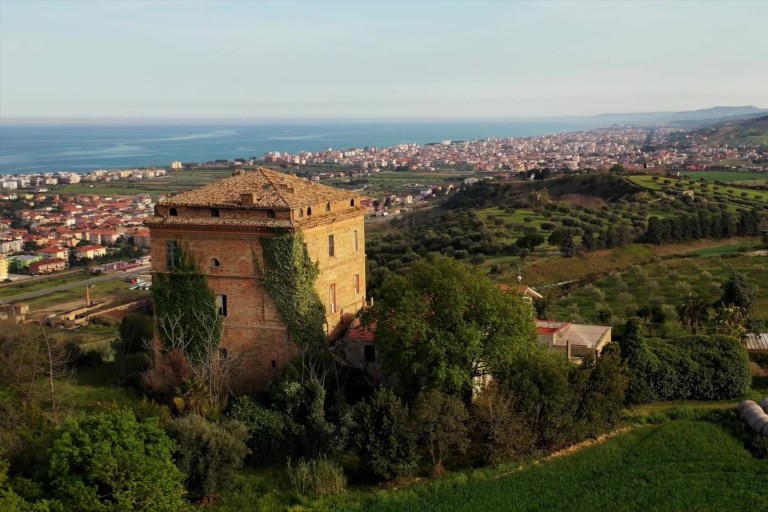
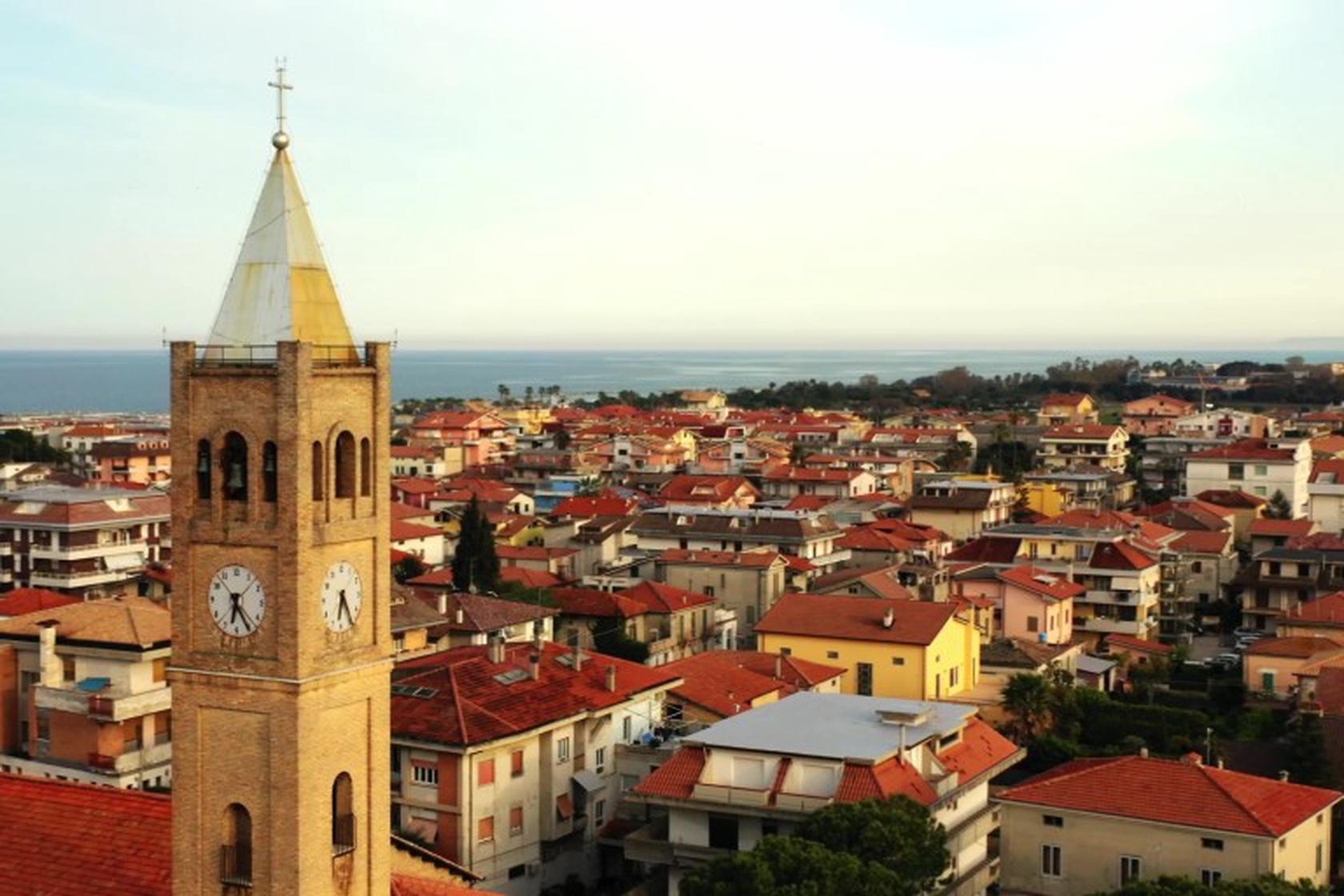
Martinsicuro is a modern seaside resort in northern Abruzzo, bordering the Marche region, overlooking the Adriatic Sea and historically linked to the Tronto River, which for centuries marked a political and commercial boundary. Its origins date back to Roman times, as evidenced by archaeological remains of the ancient Castrum Truentinum. The city’s symbolic landmark is the Torre Carlo V, an imposing 16th-century defensive structure that today represents the cultural and historical identity of Martinsicuro.
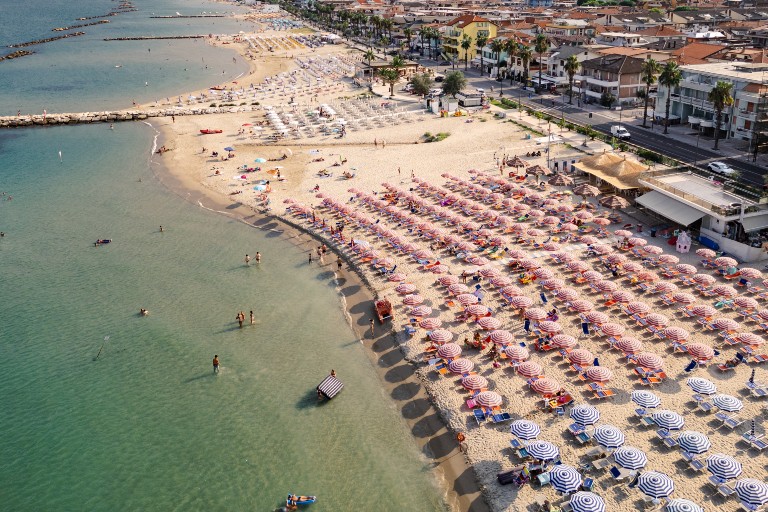
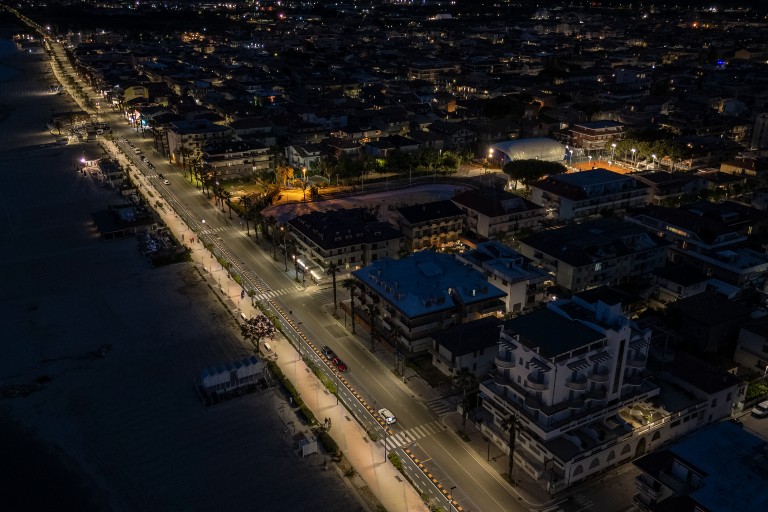
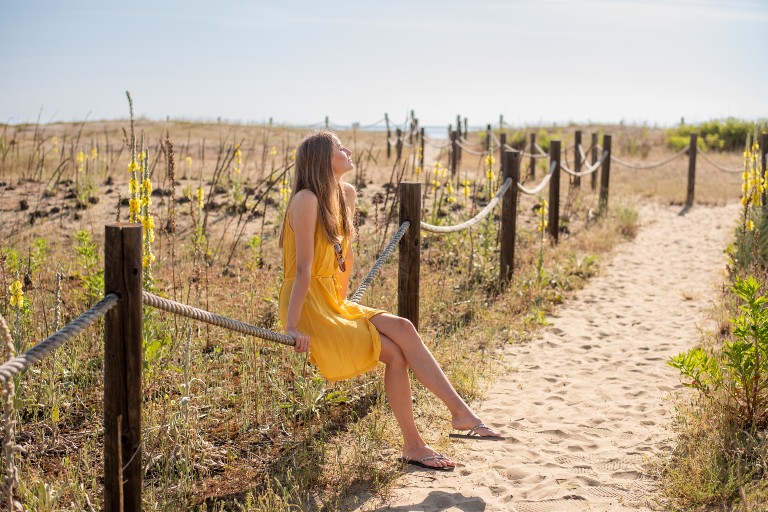
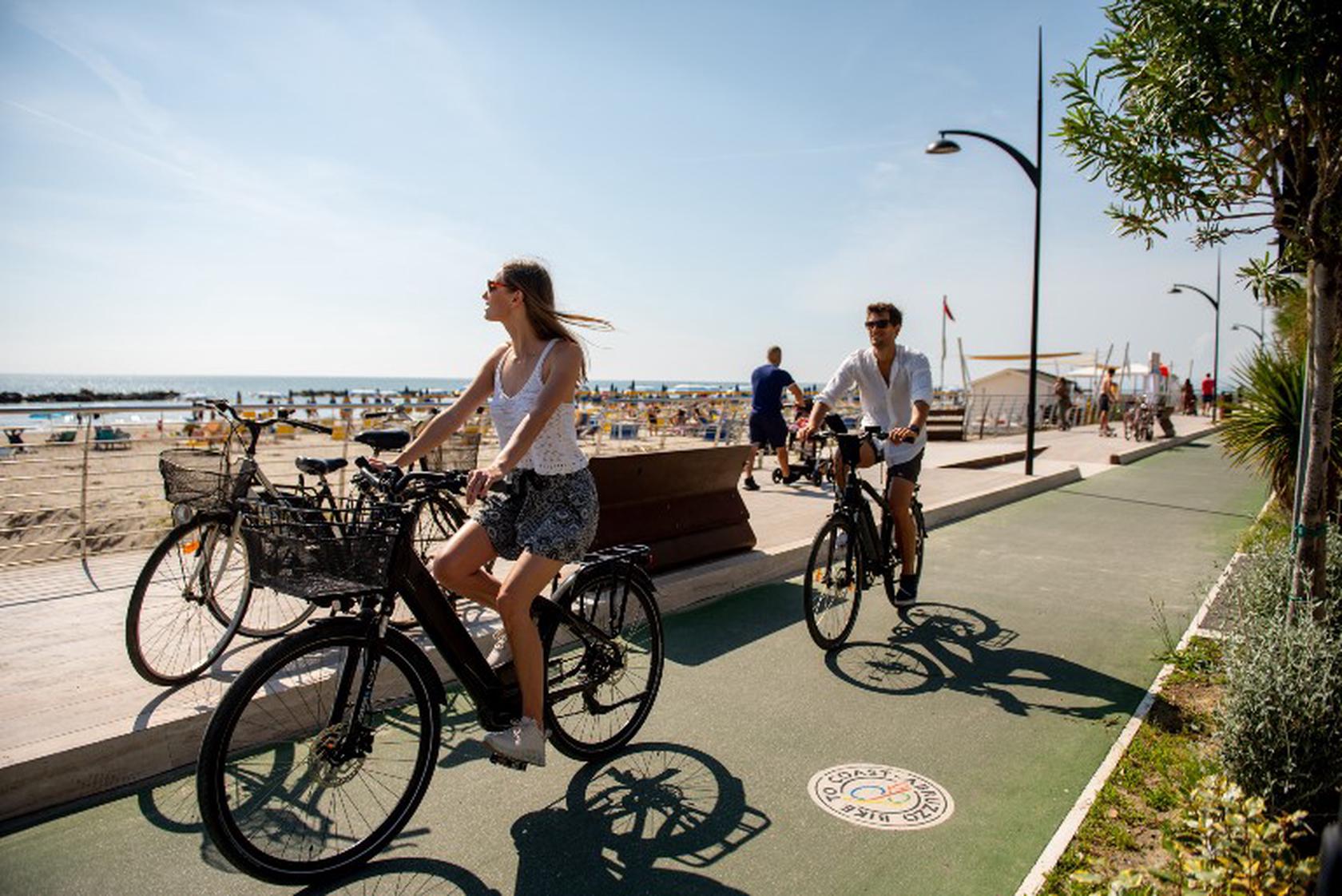
Alongside the town centre, the hamlet of Villa Rosa is the main tourist hub, featuring a wide and well-maintained seafront, accommodation facilities, green areas and services designed especially for families. Long stretches of free beach, a coastal cycle path and a protected coastal biotope make Martinsicuro an ideal destination for sustainable, active and family-friendly tourism.
Food
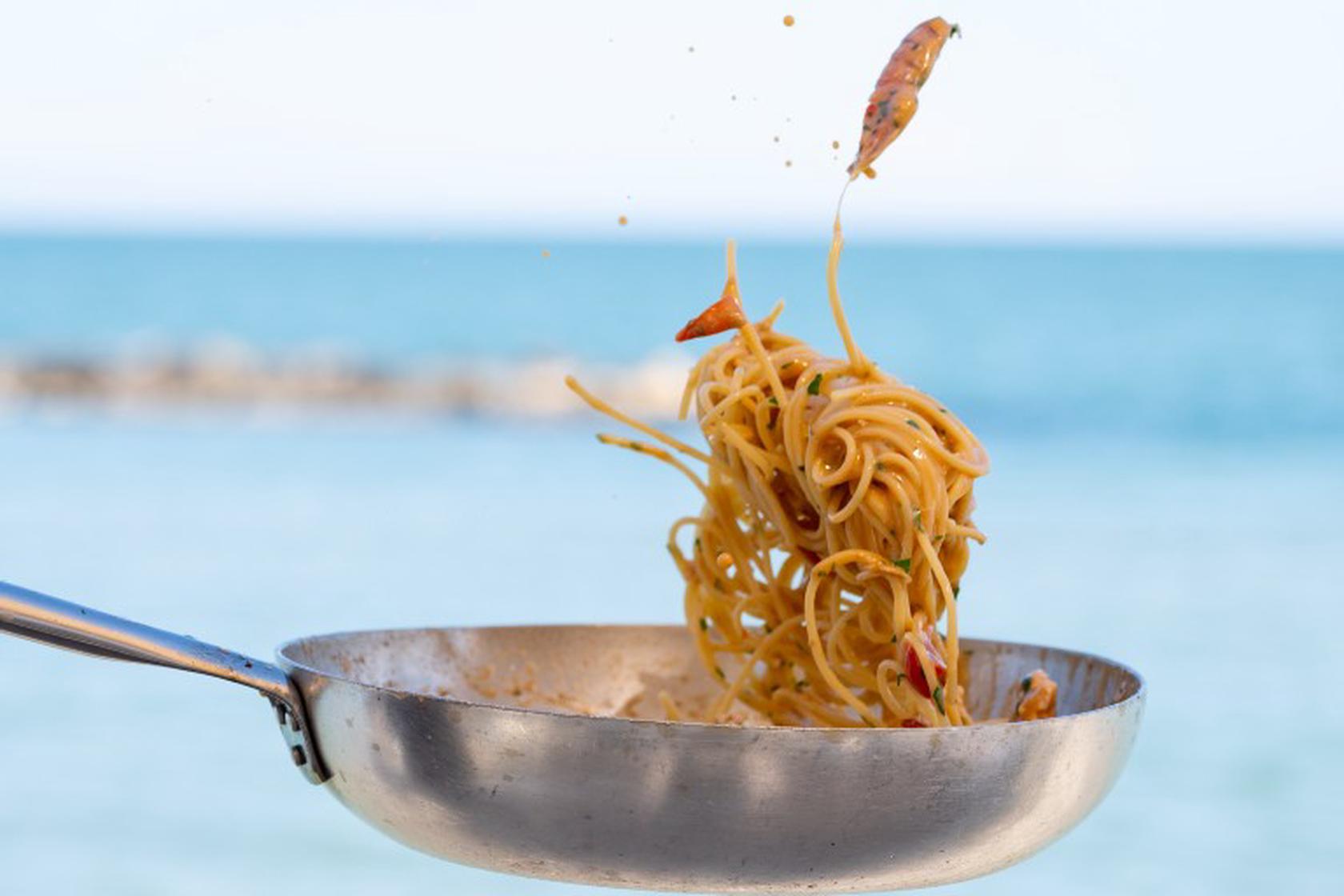
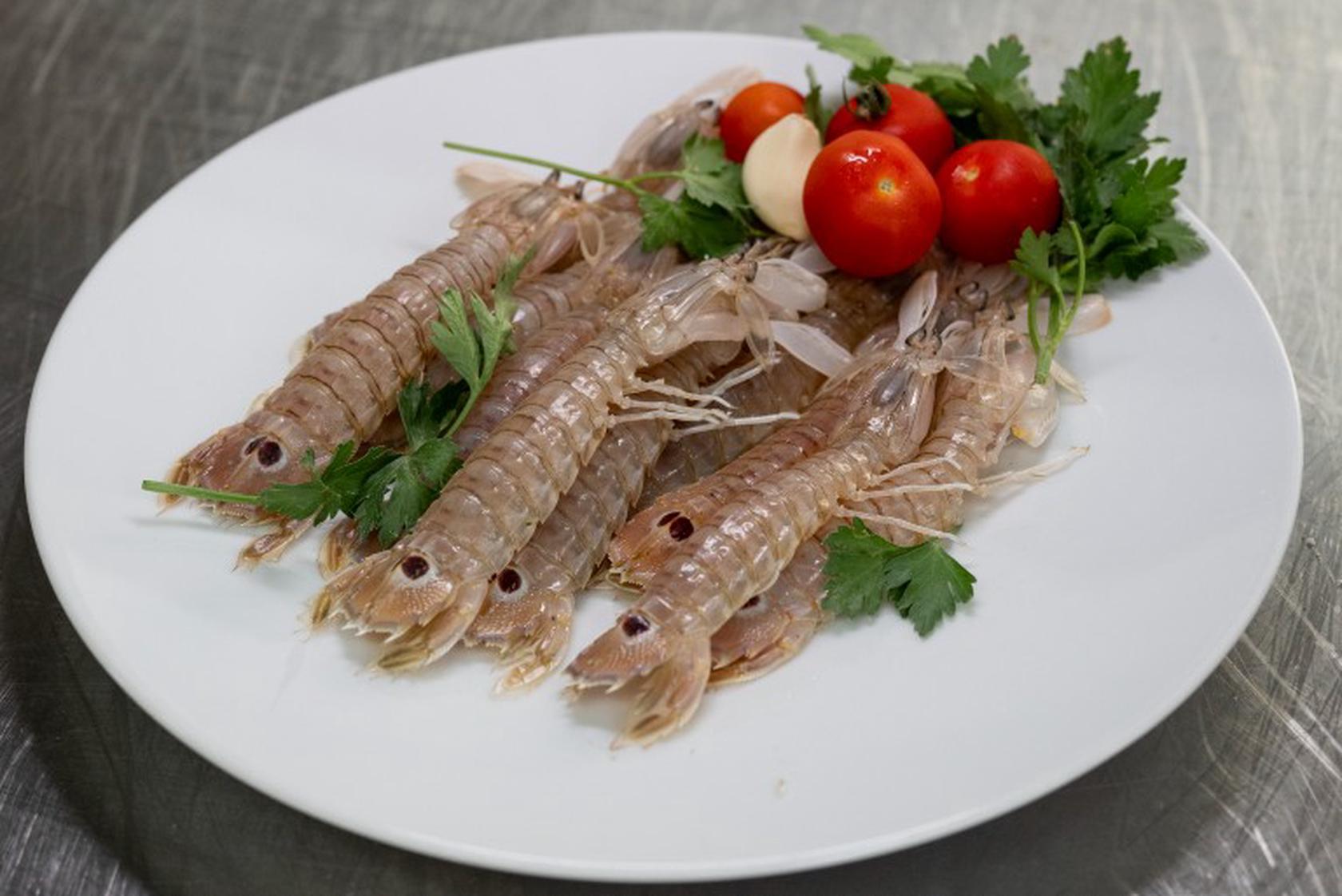
The cuisine of Martinsicuro is deeply rooted in the sea and in local maritime traditions. The city’s signature dish is mezze maniche – or spaghetti – with battuto of anchovies “alla martinsicurese”, a traditional recipe that highlights the simplicity and quality of Adriatic fish: fresh anchovies finely chopped and seasoned with extra virgin olive oil, garlic and parsley, resulting in an intense yet authentic flavour.
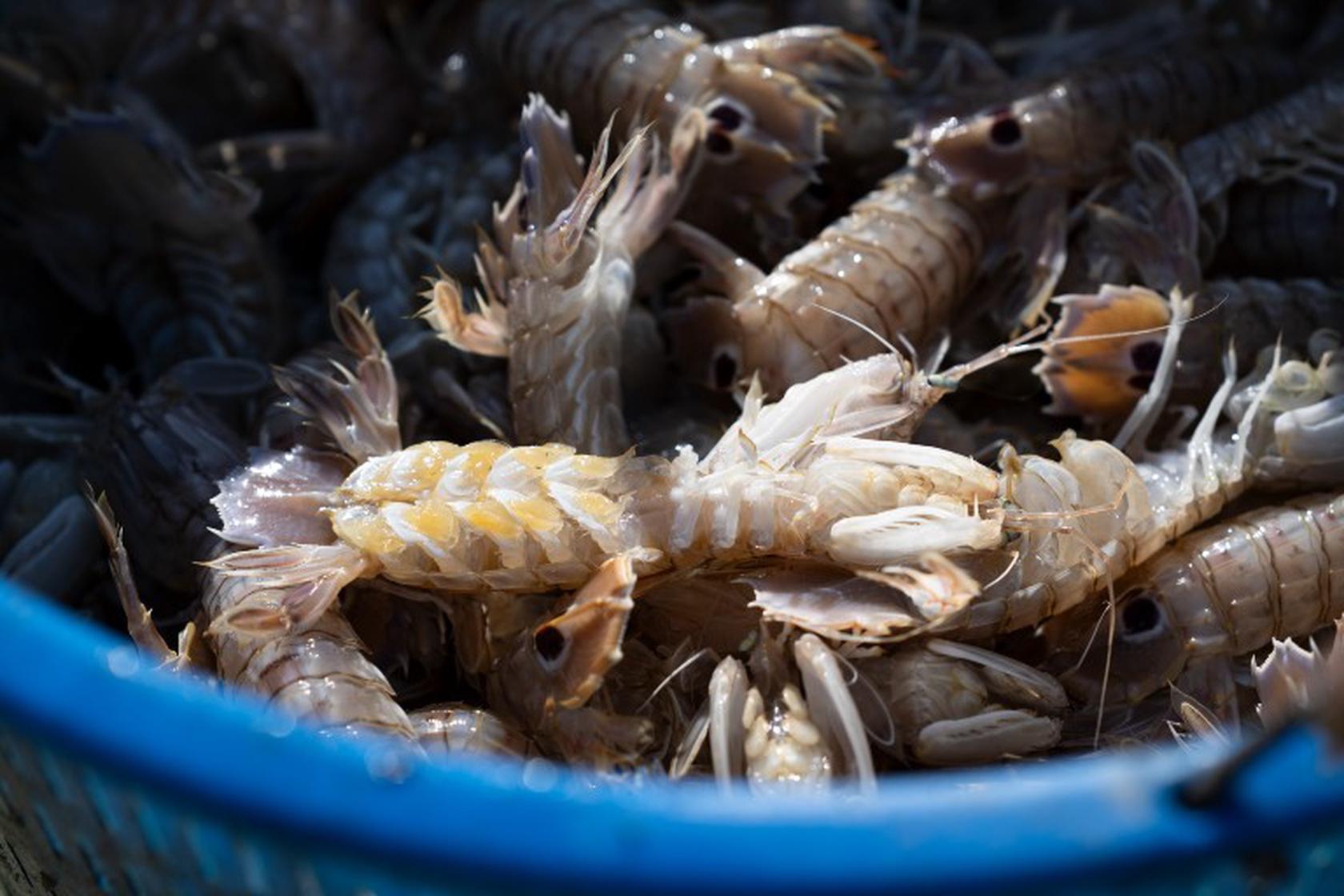
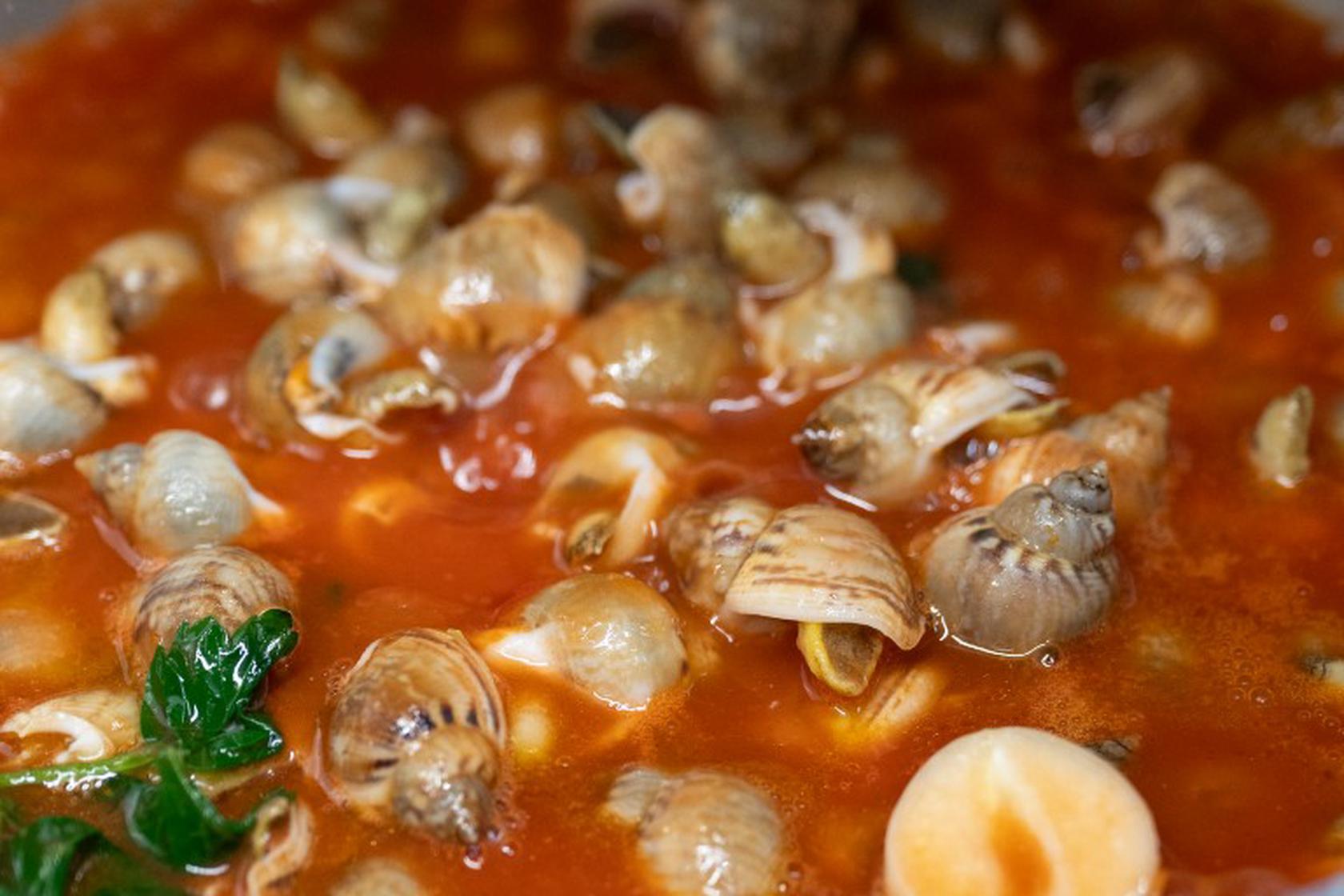
Alongside this iconic dish, the many restaurants and seaside establishments offer a wide variety of seafood specialities, from traditional fish stews to grilled fish and classic pasta dishes from the Abruzzo coast. The gastronomic offer is completed by inland Abruzzo specialities such as arrosticini (skewered lamb) and chitarra pasta with meatballs, reflecting the strong connection between sea and hinterland. A genuine cuisine that tells the story and identity of the territory.
Wines and other drinks
The wines traditionally paired with the cuisine of Martinsicuro belong to the great Abruzzo winemaking heritage. Trebbiano d’Abruzzo, fresh and versatile, is ideal with seafood dishes, while Cerasuolo d’Abruzzo offers an intense, fragrant rosé experience. Montepulciano d’Abruzzo, structured and full-bodied, represents one of the region’s most renowned wines. Widely appreciated both nationally and internationally, these wines enhance the local gastronomic experience and express the authentic character of the territory.
Points of Interest
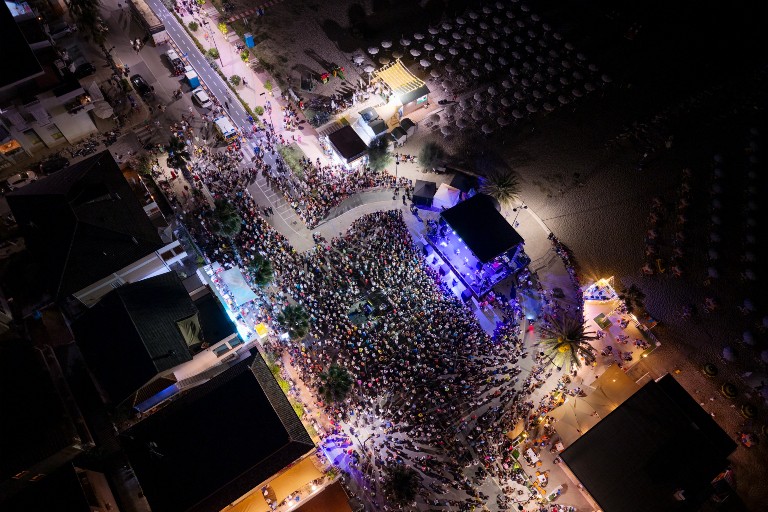
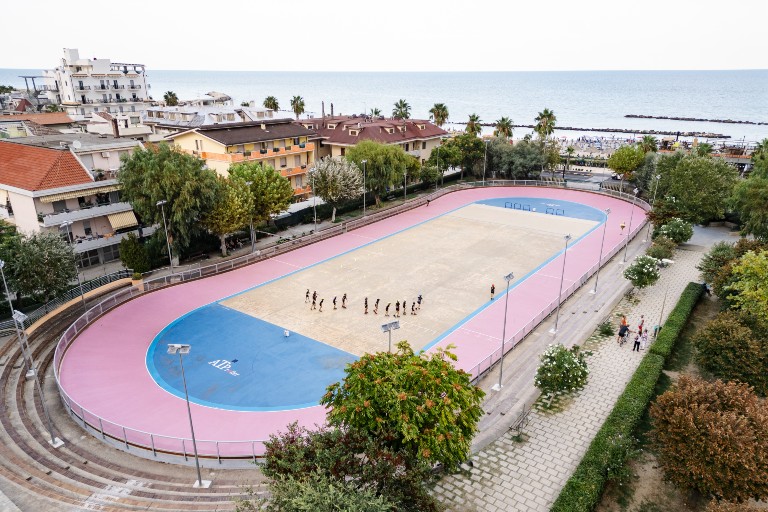
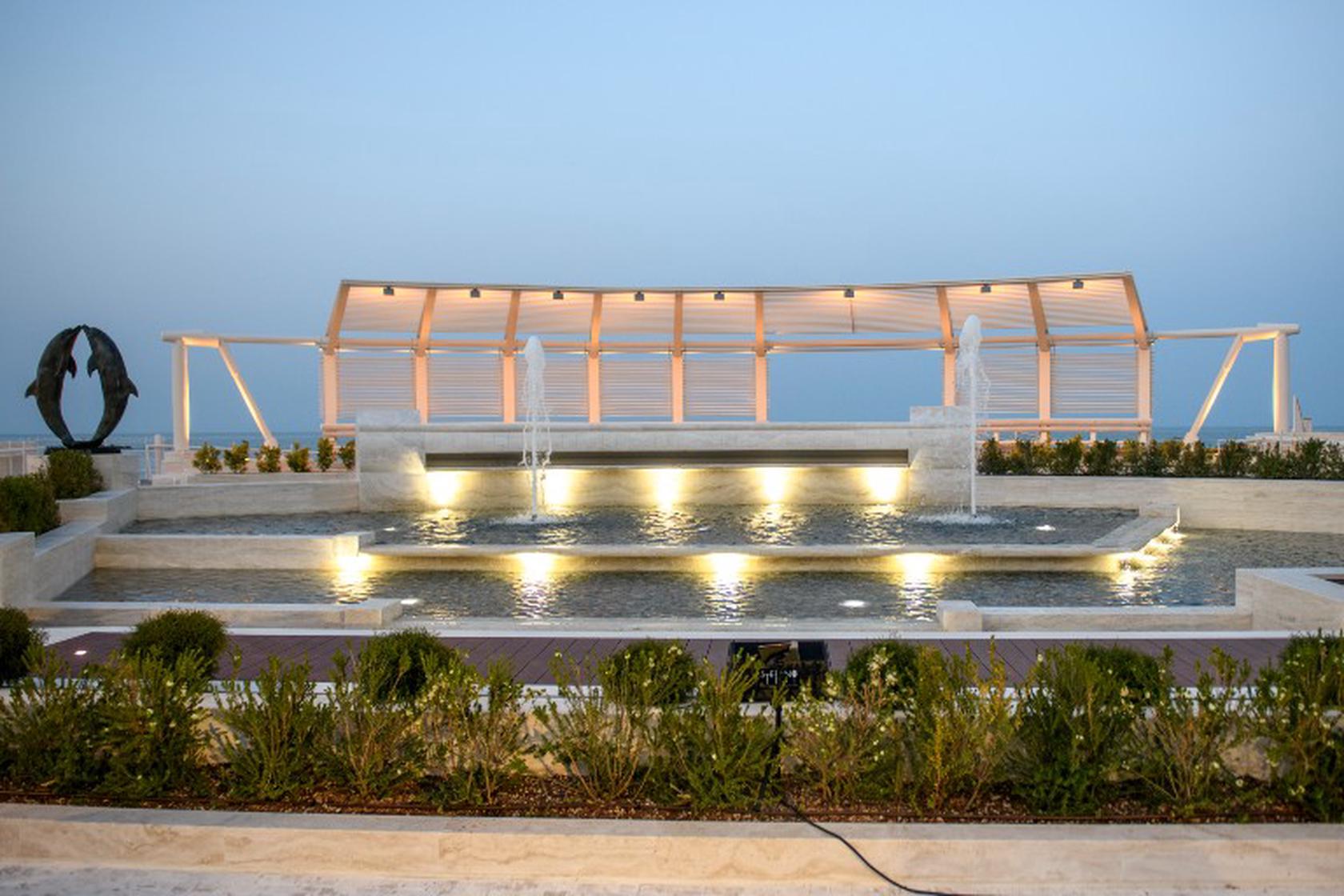
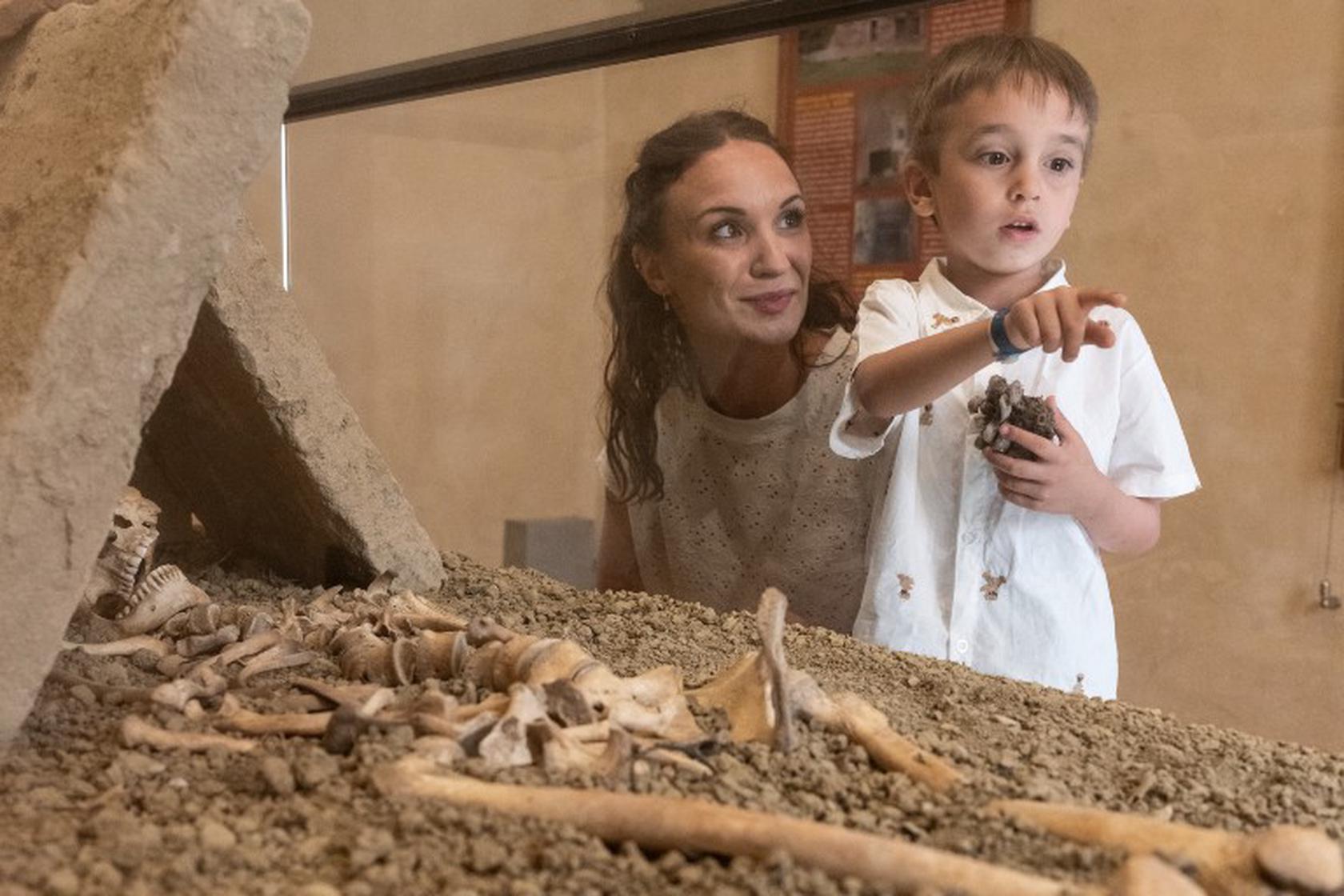
The main historical symbol of Martinsicuro is the Torre Carlo V, built in the 16th century as part of the Adriatic coastal defence system and to control the border marked by the Tronto River. Adjacent to the tower stands the former Customs House, a reminder of the strategic importance of the area for trade between the Kingdom of Naples and the Papal State. The tower now hosts the Antiquarium of Castrum Truentum, displaying archaeological finds from excavations of the ancient Roman settlement, with evidence ranging from the Republican period to the Lombard era. The town centre revolves around Piazza Cavour, the heart of social life and a venue for events and local festivals, featuring the Church of the Sacred Heart of Jesus. Of great environmental value is the coastal biotope, a protected area stretching along a wide section of free beach and home to numerous native plant species and significant wildlife, including the Kentish plover, a symbol of Adriatic dune ecosystems. The entire coastline of Martinsicuro and the hamlet of Villa Rosa is crossed by a long seafront cycle path, offering the opportunity to travel along the coast in a scenic natural setting. Villa Rosa is the main summer tourist area, with a spacious, recently redeveloped promenade, accommodation facilities, green spaces and family-friendly services. Here stands the striking seaside fountain, a recent urban enhancement that has become a new coastal landmark. In Martinsicuro, near the small harbour, the Ecomuseum of the Sea and Fishing tells the story of local maritime traditions through tools, photographs and testimonies from fishermen. The offer is completed by the natural trail along the Tronto River, suitable for walking and cycling, the roller-skating track approved for European-level events, the Bau Beach dedicated to pets, and the town’s pinewoods and parks, ideal for relaxation and outdoor cultural events.
Videos Stage 04

Tirreno Adriatico Crédit Agricole 2026 | Stage 4 | Highlights
12 Mar 2026
Tirreno Adriatico Crédit Agricole 2026 | Stage 4 | Last KM 🇬🇧
12 Mar 2026Photos Stage 04
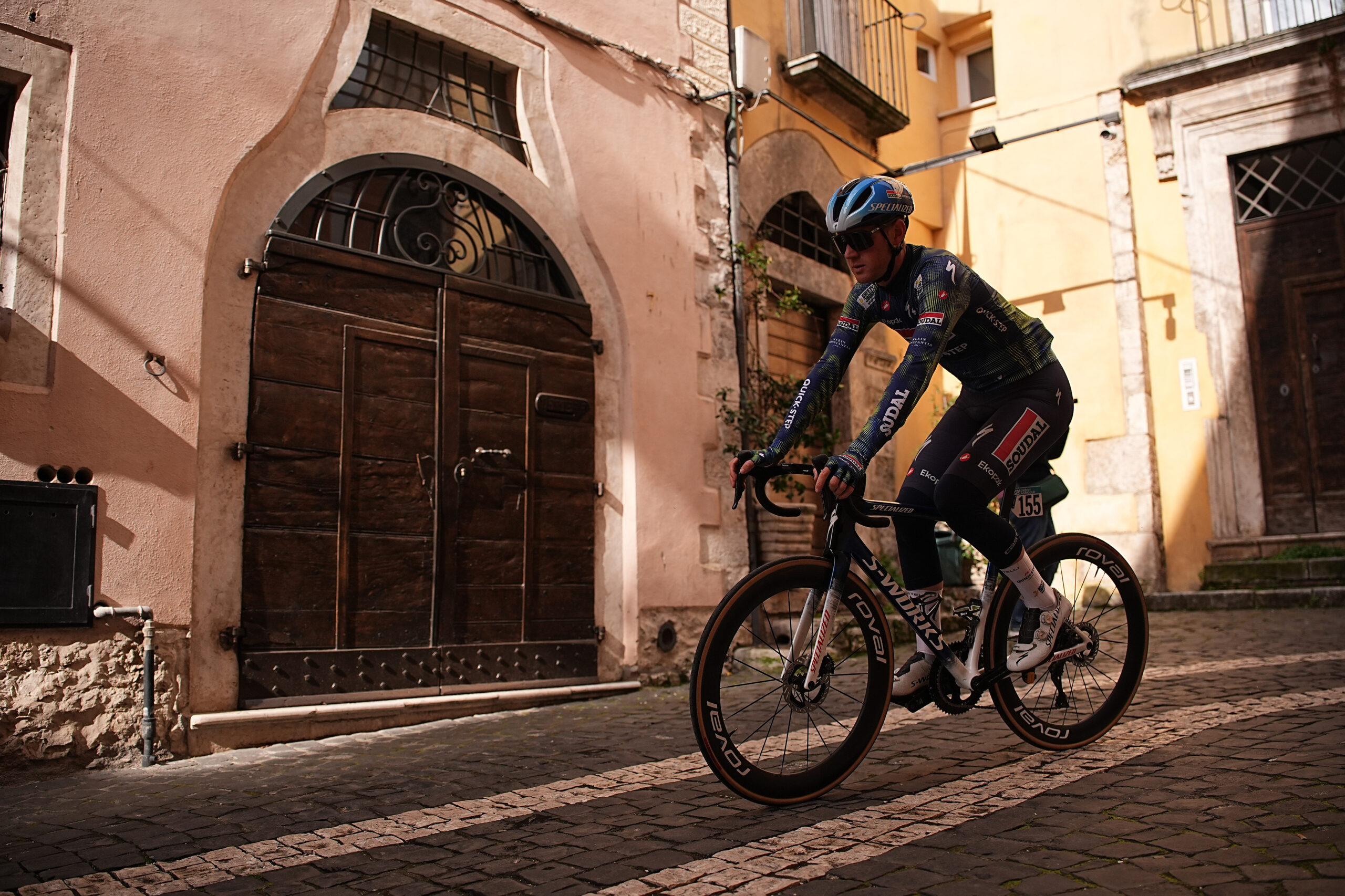
Tirreno Adriatico Crédit Agricole 2026 | Stage 4 | Best of
12/03/2026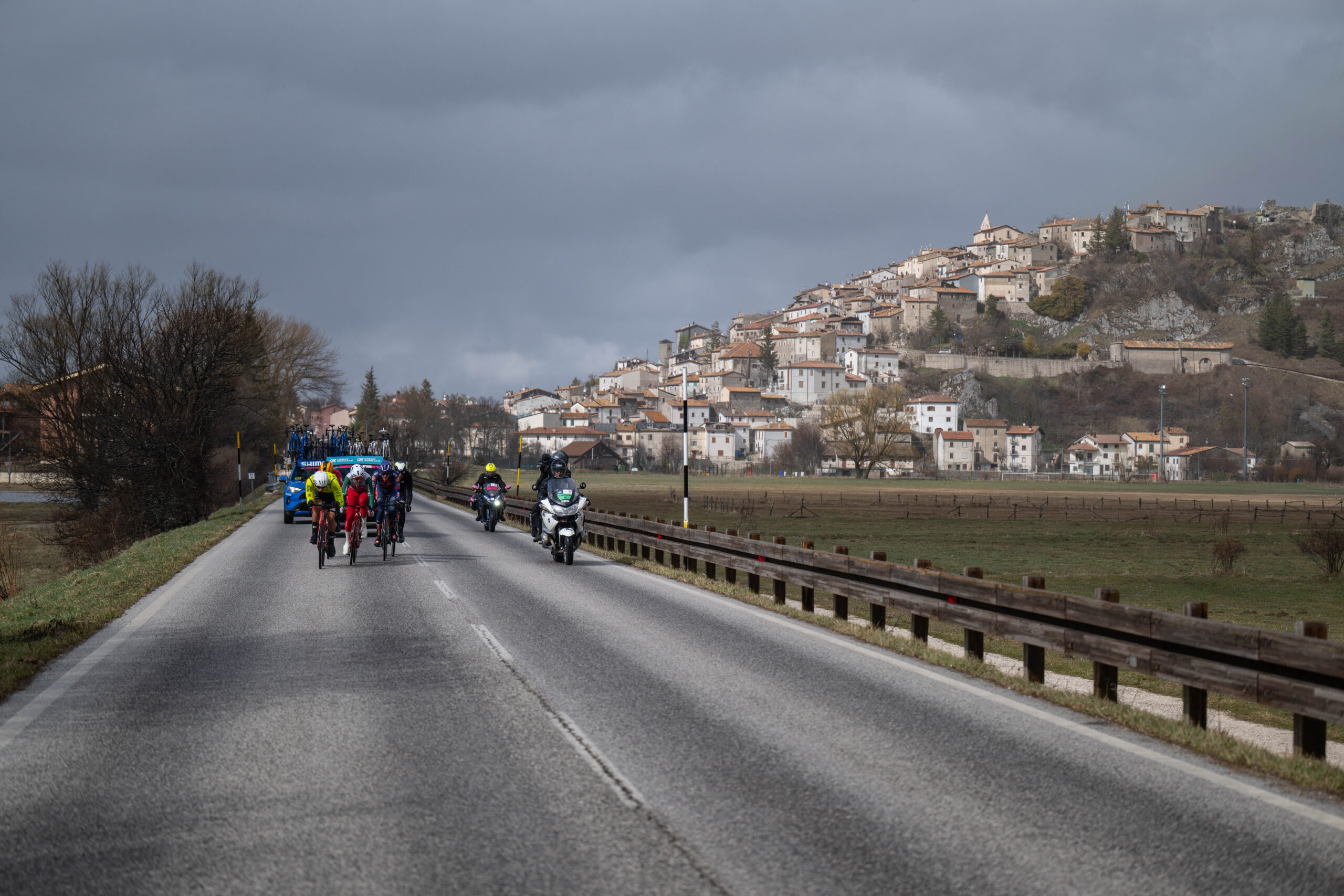
Tirreno-Adriatico Crédit Agricole 2025 | Stage 4 | Best of
13/03/2025