






learn more
technical info
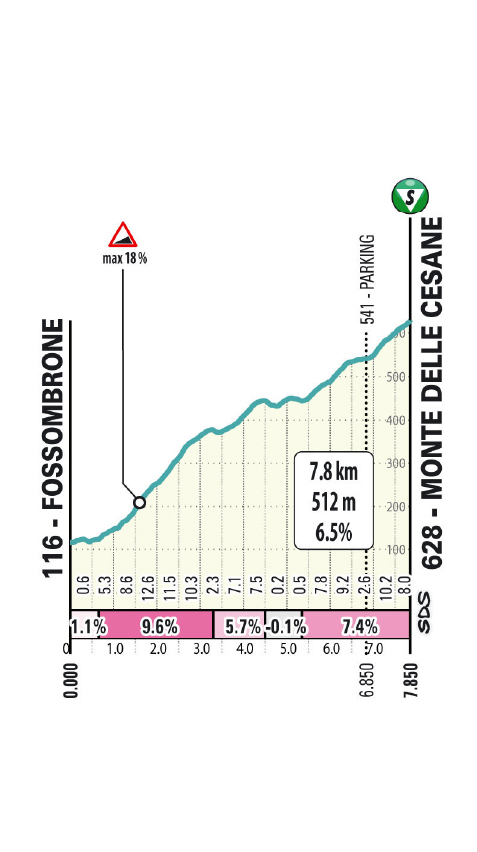
profile
map
technical info
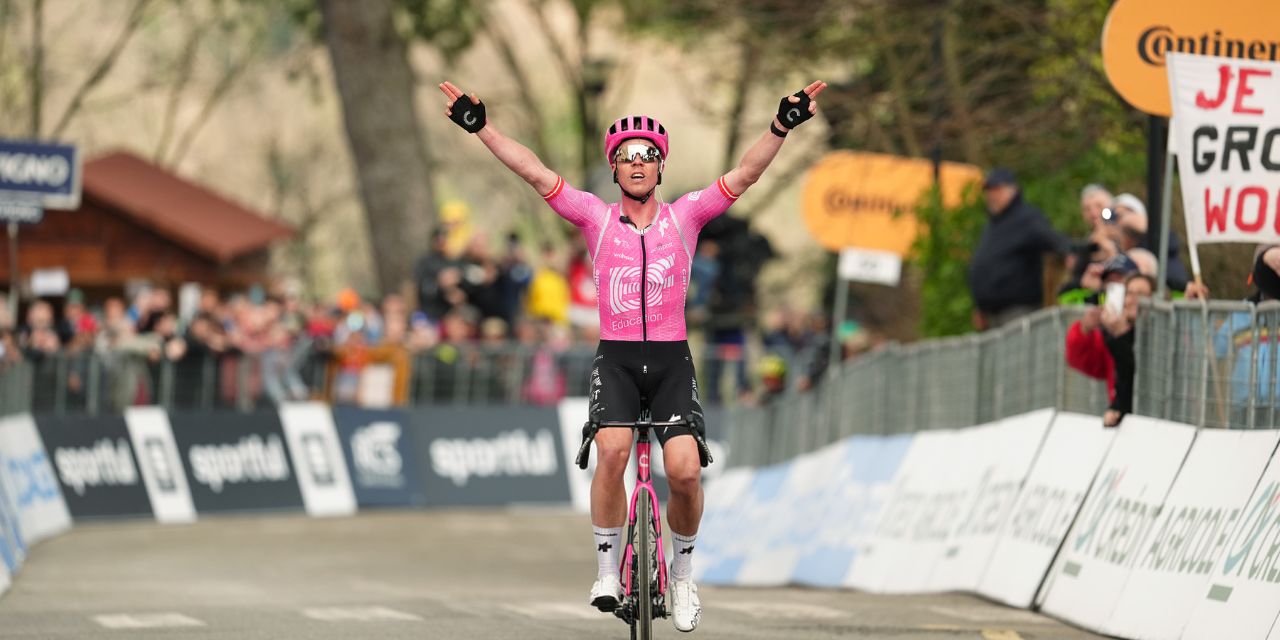
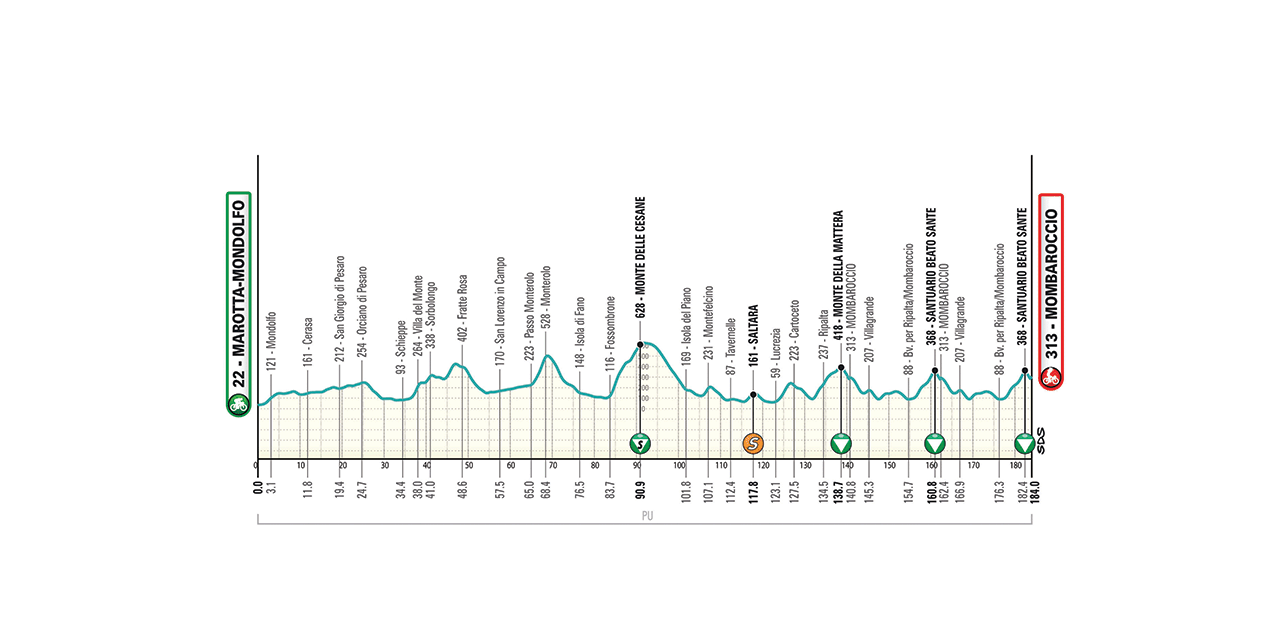
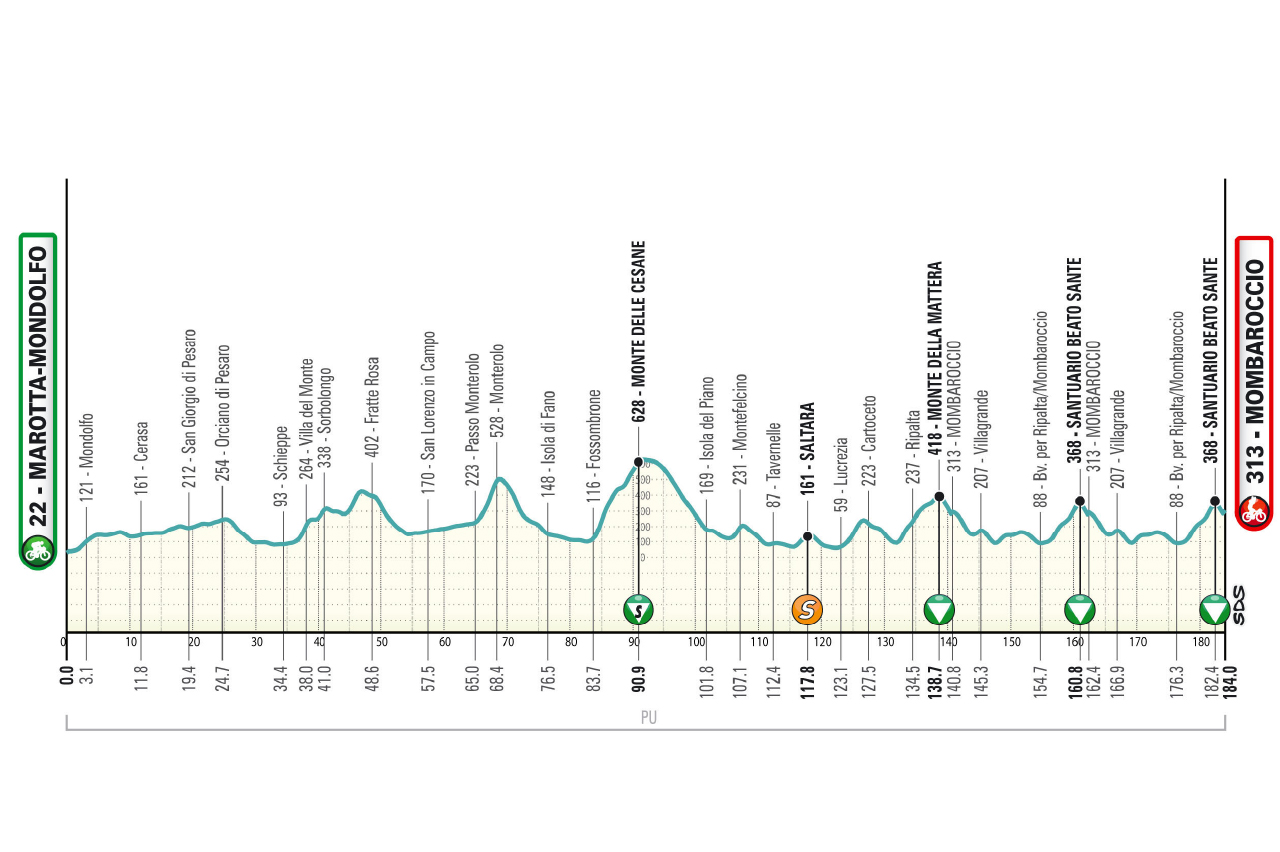
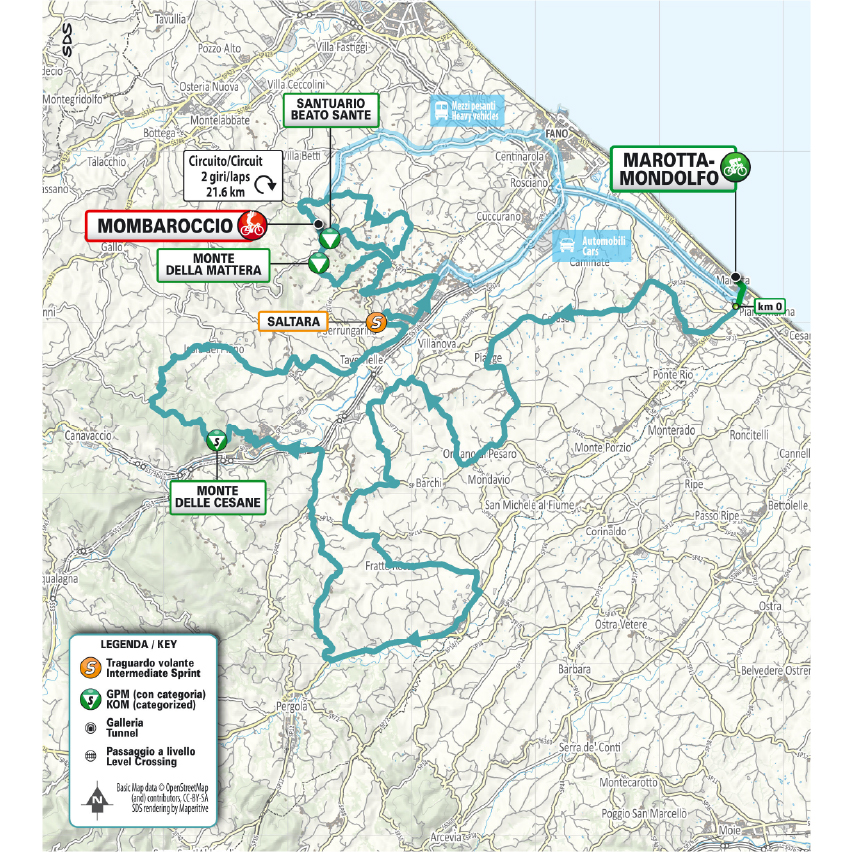
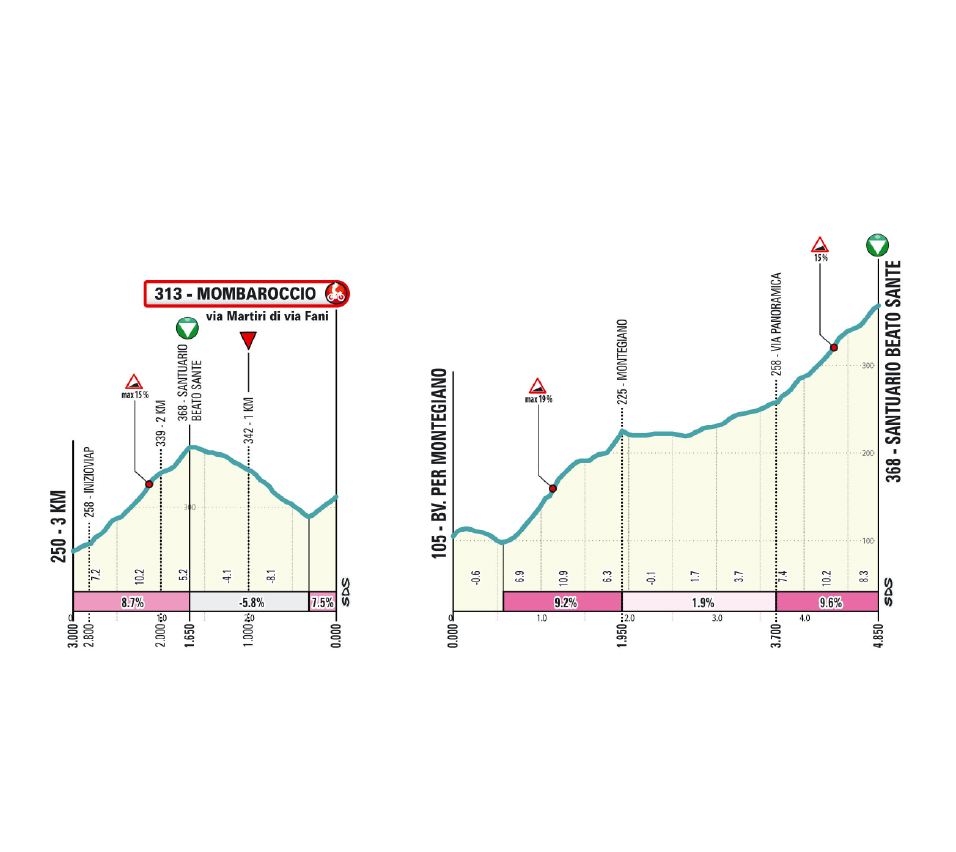
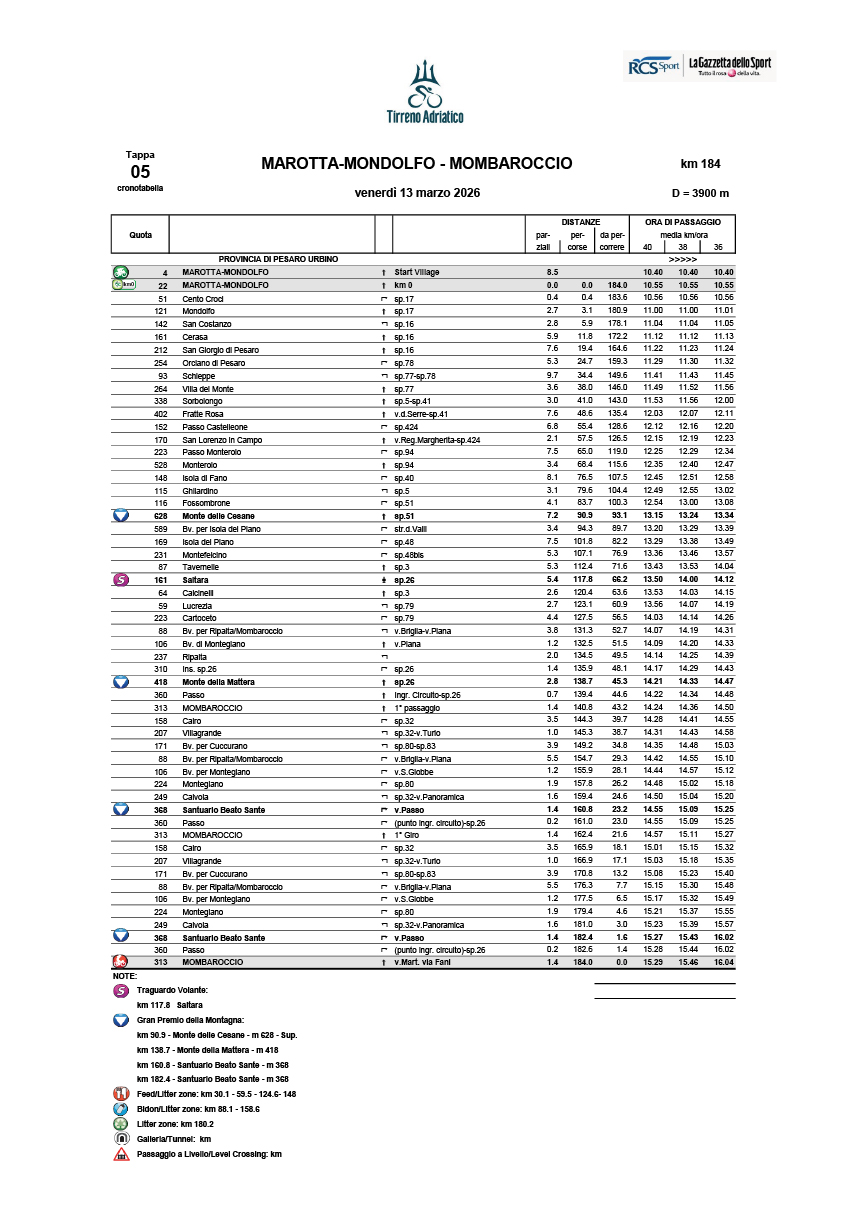
A very hilly stage dotted with numerous climbs of varying difficulty—at least ten in total, some classified as KOMs. From Marotta the route passes through Mondolfo and tackles a series of climbs around the Metauro River, including Villa del Monte and Monterolo, before ascending Monte delle Cesane, whose opening kilometres pitch up to around 15%. After passing through Saltara and Cartoceto, the race reaches Mombaroccio and enters a 21.6 km finishing circuit to be covered twice. The circuit features continuous rolling terrain and the very demanding climb to the Santuario del Beato Sante. The final summit comes 1,500 metres from the finish, followed by a final 300-metre uphill drag to the line.
Final kilometers
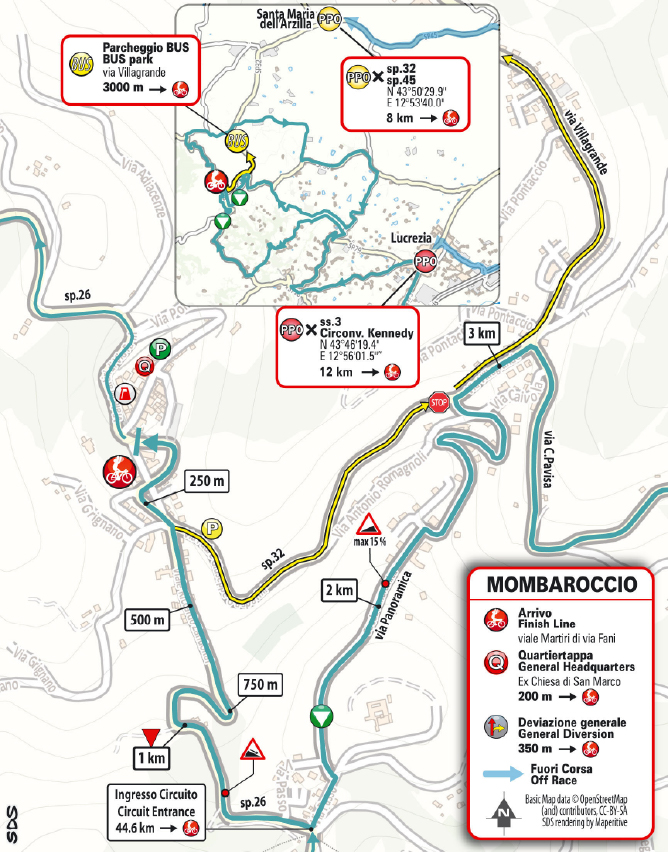
The closing kilometres are partly downhill and then uphill (around 7%) from roughly 500 metres to the finish on tarmac.
start / finish
climb detail
final kilometres
itinerary timetable
tourist info
Host city:
Marotta-Mondolfo
Overview
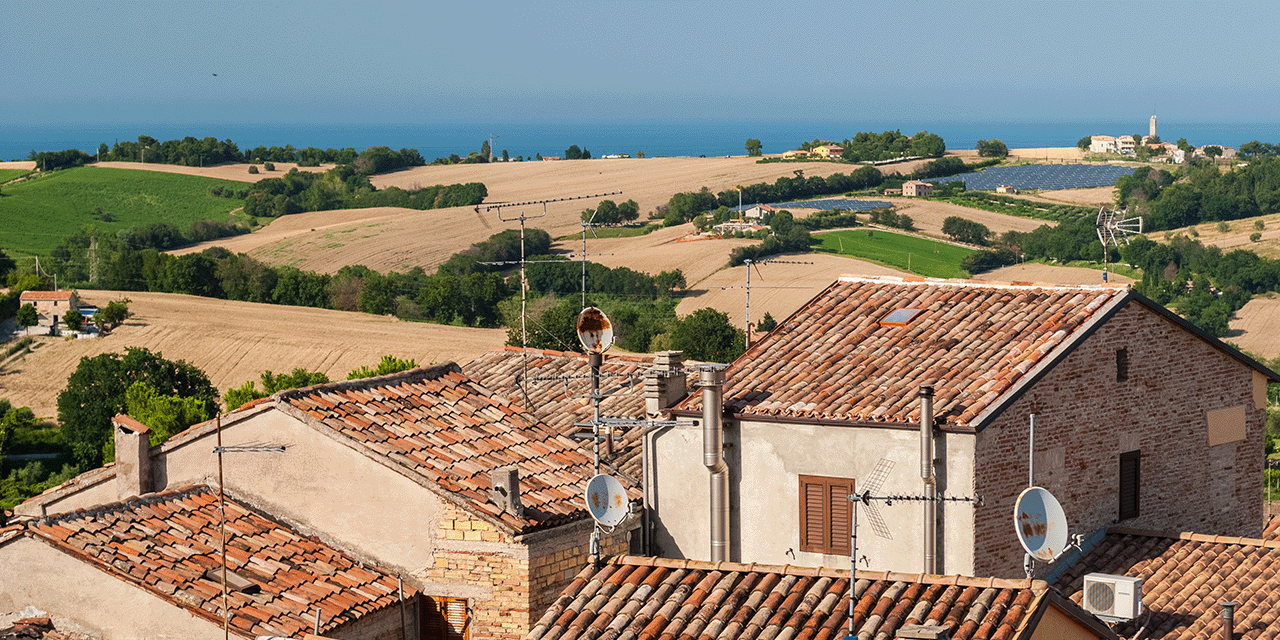
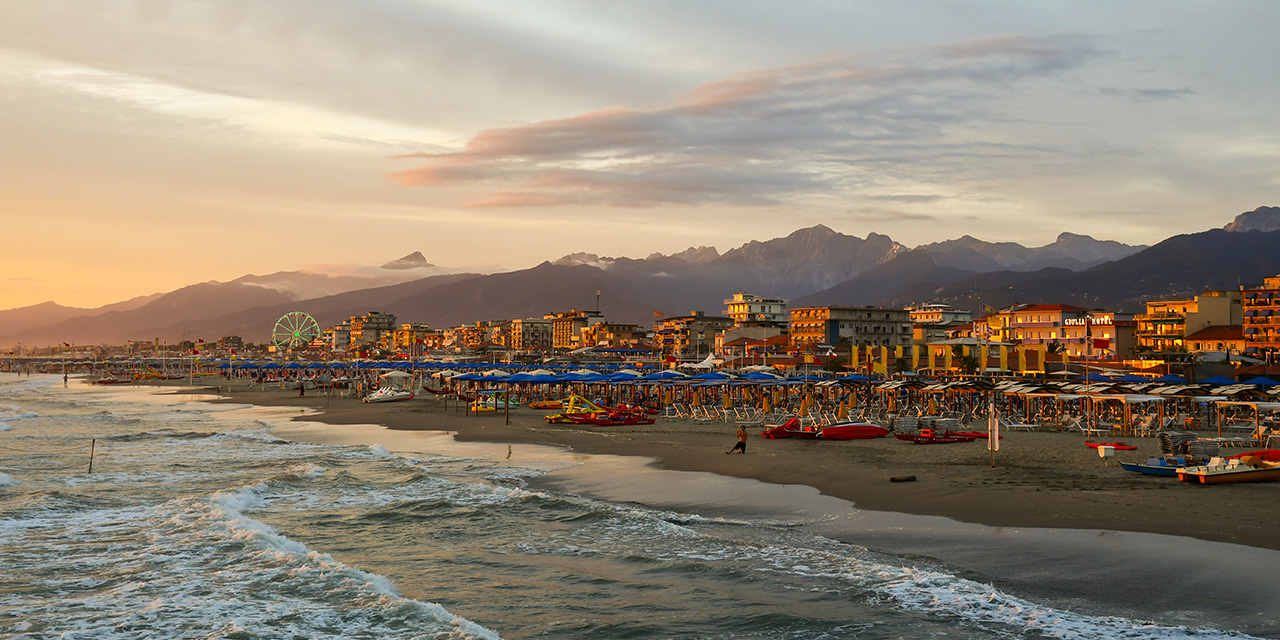
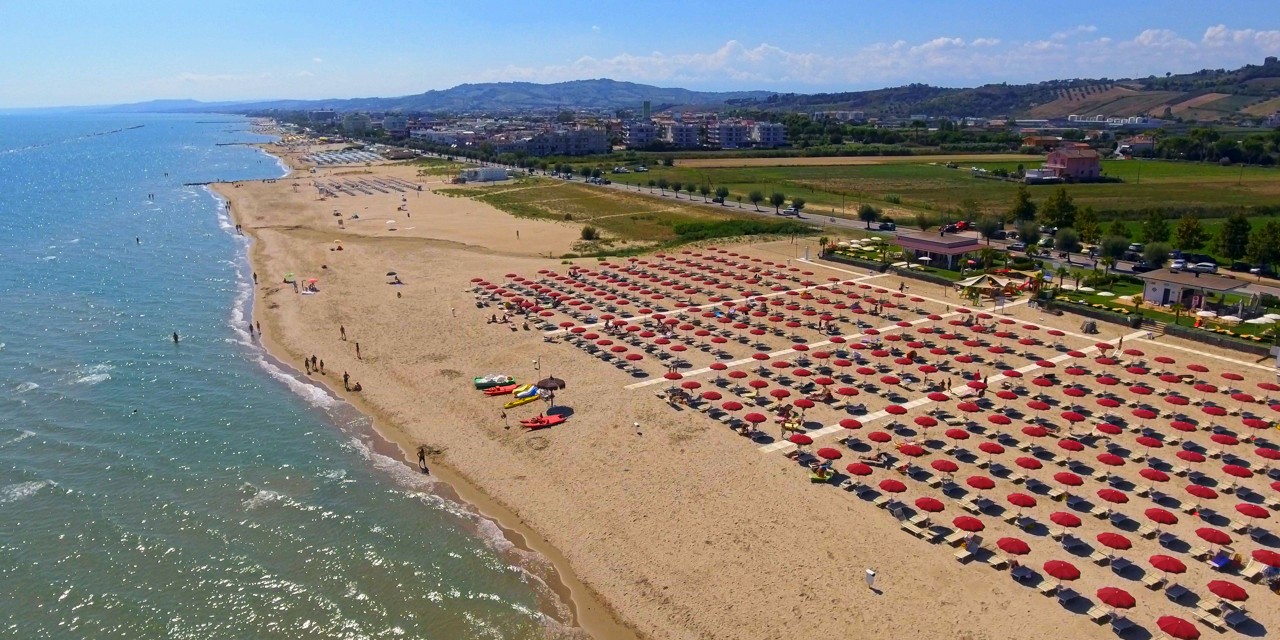
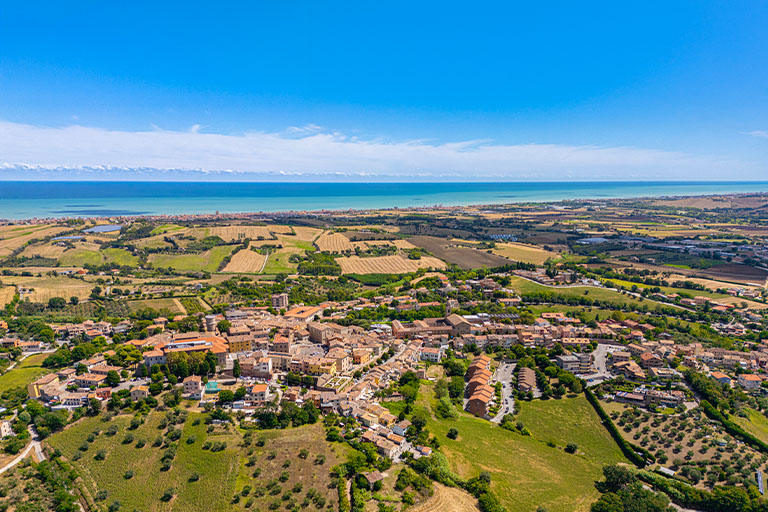
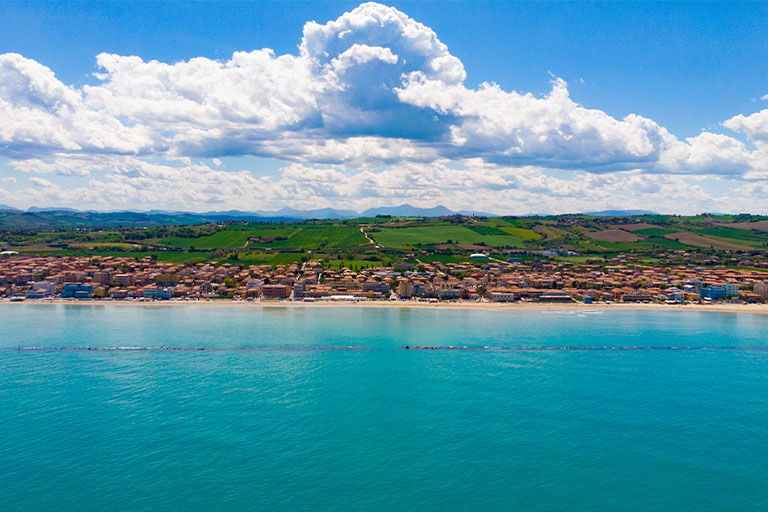
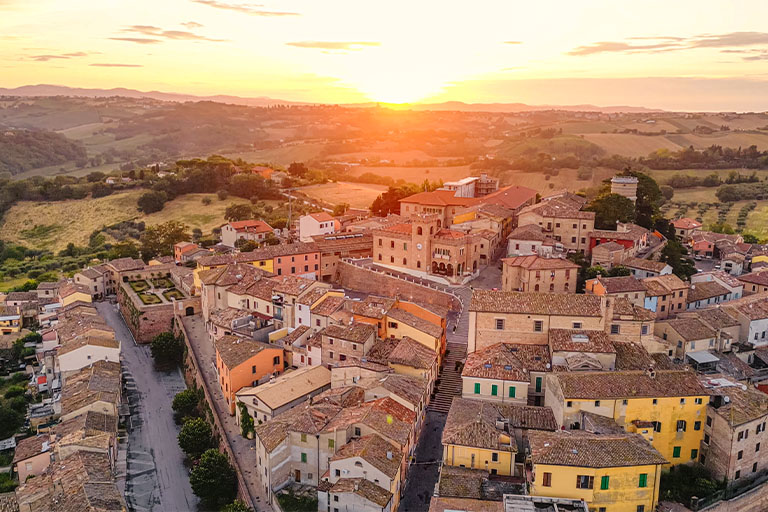
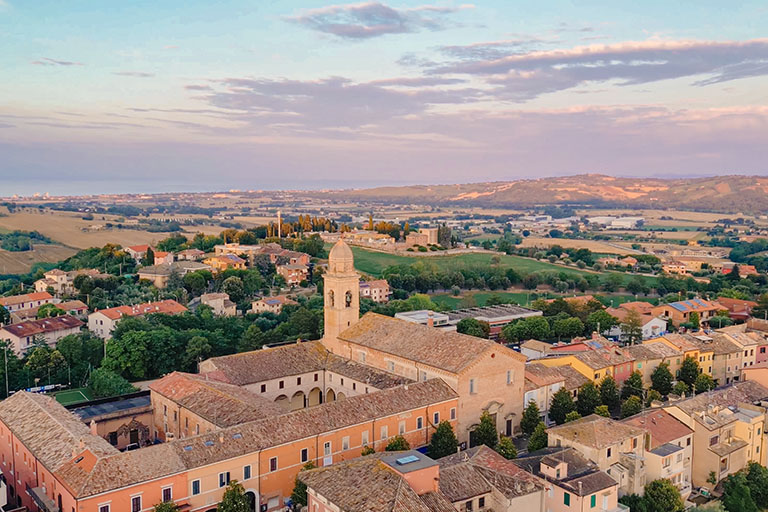
In the province of Pesaro and Urbino, the municipality combines the coastal town of Marotta, known for its beaches and seafaring tradition, with the hilltop village of Mondolfo, of medieval origin. Mondolfo preserves a historic centre fortified with ancient walls and gates, while Marotta represents the tourist and seaside soul of the area.
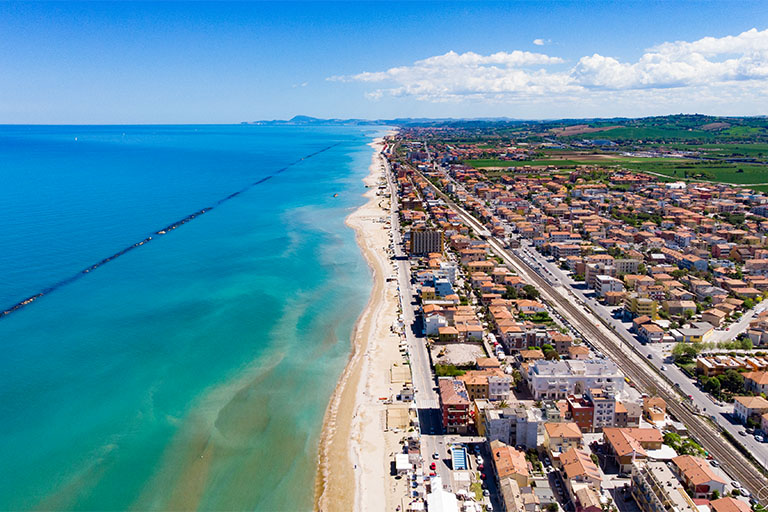
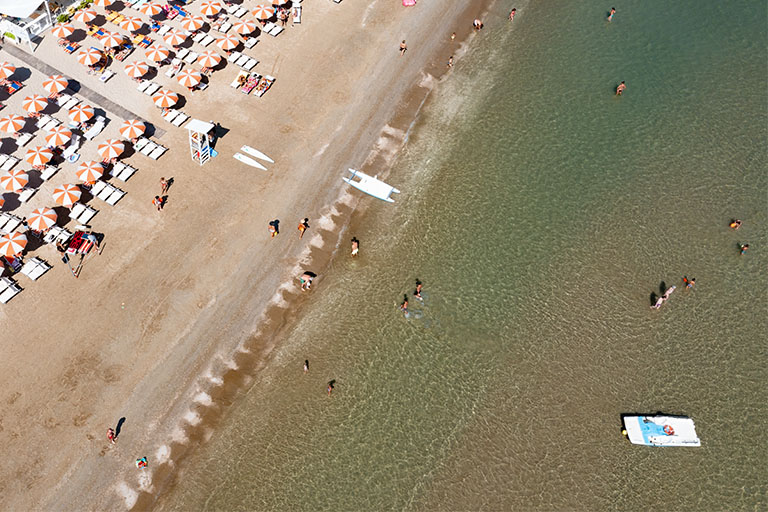
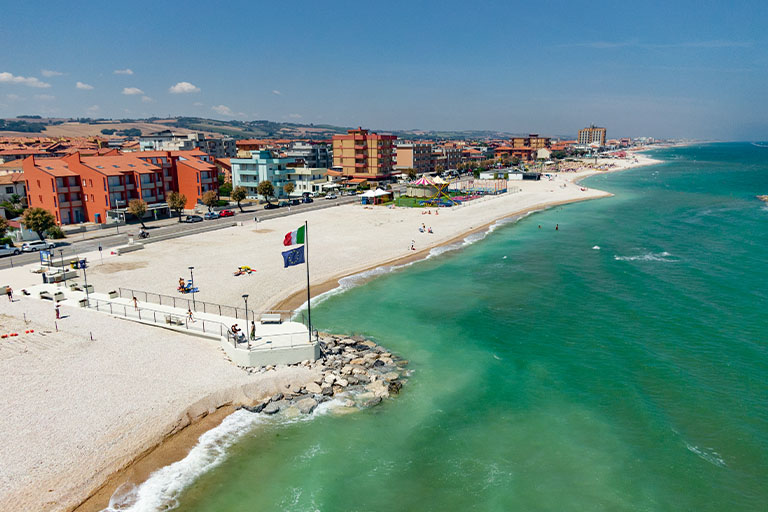
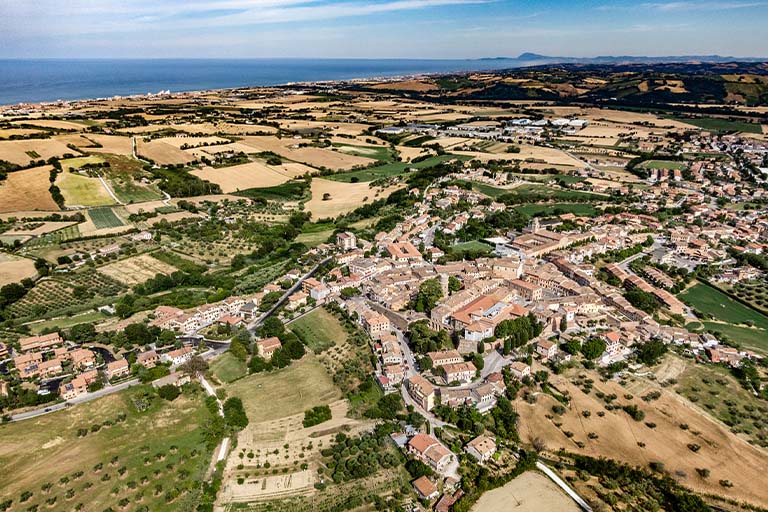
Food
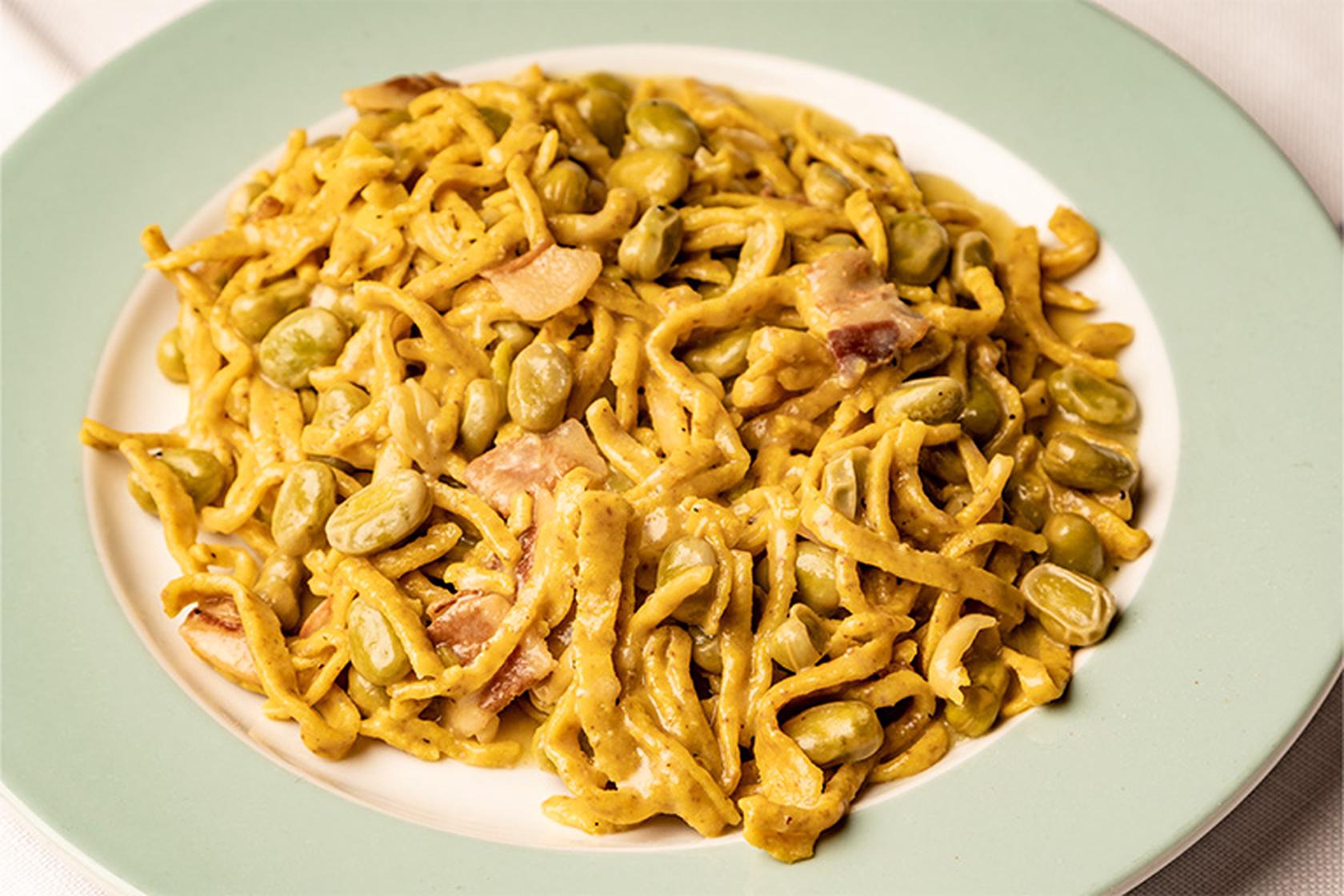
1) “Tajulin sa la fava alla Mondolfese” – Traditional dish of the Marche Region “Tajulin sa la fava” originated in the lively San Sebastiano district, thanks to the dedication of local volunteers eager to preserve this humble yet authentic recipe. The dish consists of handmade pasta made from wheat and broad bean flour, traditionally served during the annual festival, either with a tomato sauce or in broth, celebrating the flavours of rural tradition.
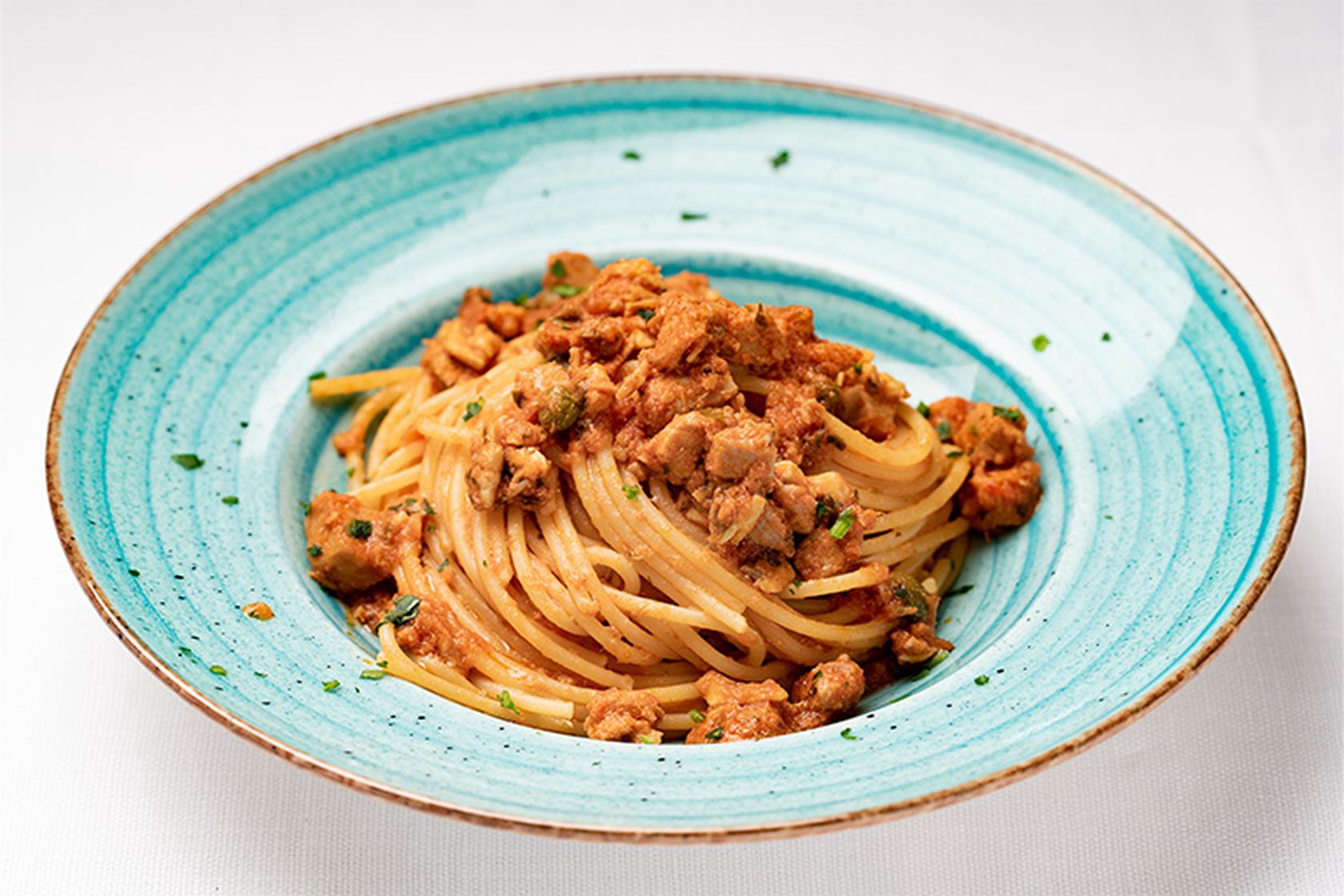
2) “Sugo con tonno alla Mondolfese” – Traditional dish of the Marche Region In Mondolfo, the intense aroma of sugo con tonno (“il sug sal tonn e alic” in local dialect) heralds the arrival of spring during the historic “Spaghettata” festival. This distinctive red sauce, made with tuna and anchovies and enriched with carefully selected herbs and spices, boasts a unique and unmistakable flavour.
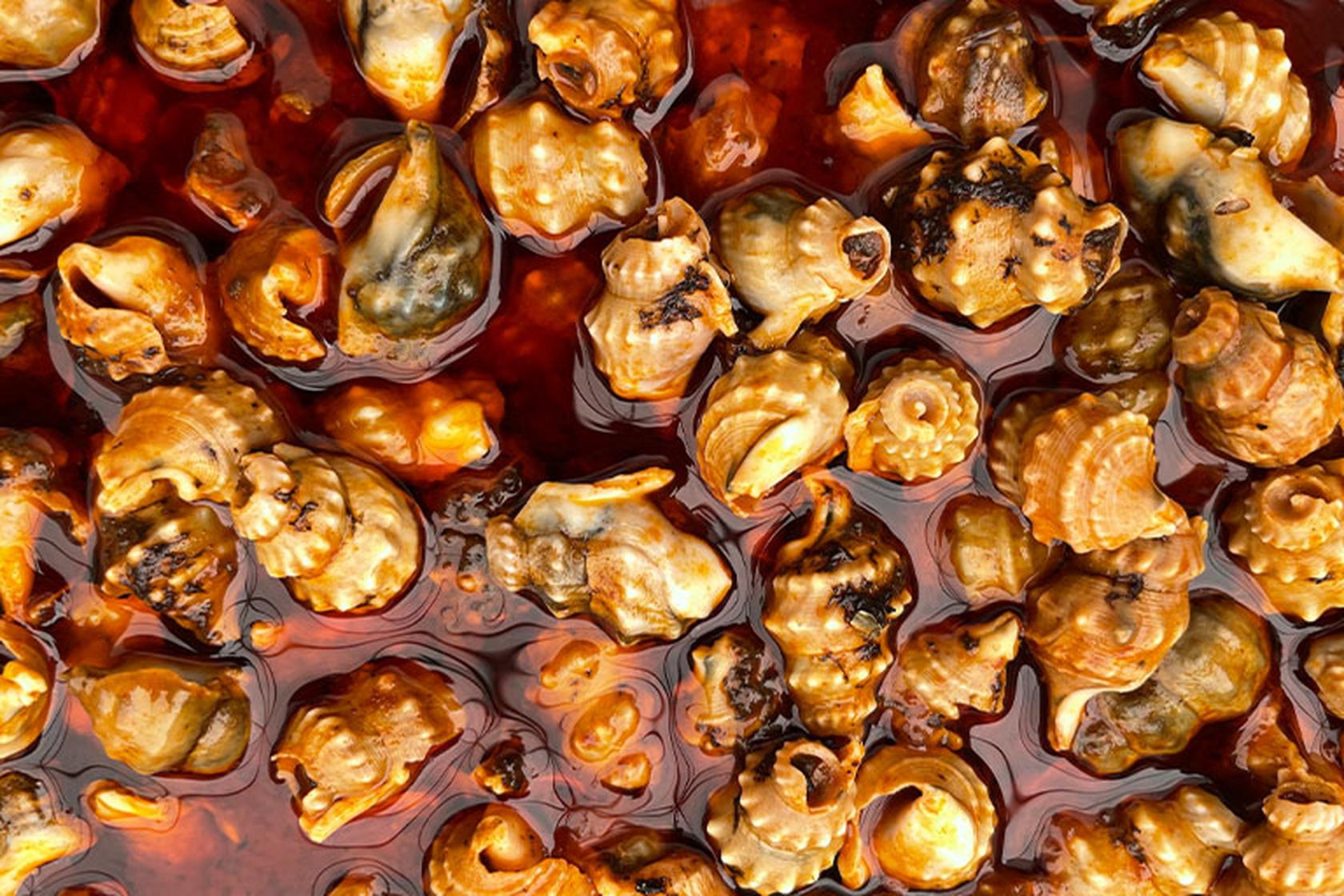
3) Garagoi – Delicious sea snails slowly simmered for over two hours in tomato sauce with garlic, wild fennel, mint and chilli pepper. Rich in intense sea flavours, they are traditionally enjoyed by sucking the shells to savour their full taste. A hallmark of Marotta’s maritime heritage, they are celebrated every spring during the long-established “Garagoi Festival” along the seafront.
4) Sant’Anna Sweet Biscuits – These traditional sweets stem from an ancient custom blending gastronomy and spirituality. According to tradition, the original recipe was created within the walls of the Monastery of Sant’Anna by Benedictine nuns. Made with simple ingredients – flour, eggs, sugar and a hint of anise – they are shaped like small animals and delightfully fragrant.

Wines
These traditional dishes are ideally paired with local wines: Sangiovese dei Colli Pesaresi and Bianchello del Metauro, two outstanding expressions of the region’s winemaking heritage.
Points of Interest
1) Bastion of St. Anna
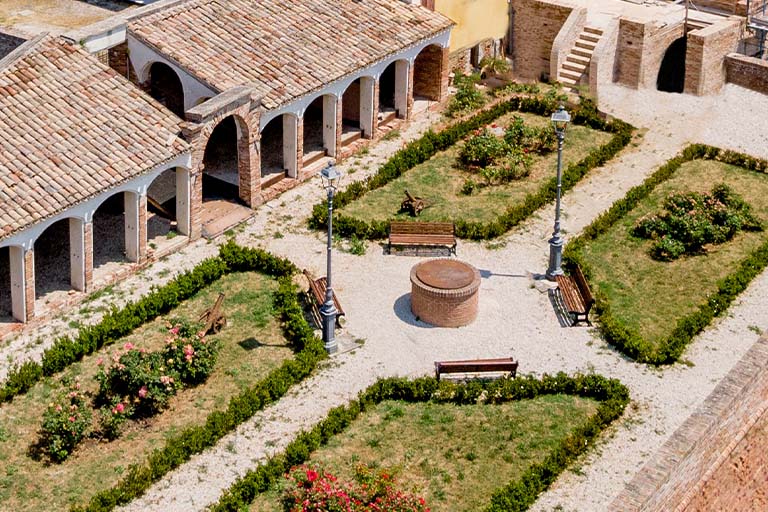
The Bastion of St. Anna is a mighty Renaissance fortification, recently restored, overlooking evocative underground chambers opening onto the “Martiniano Garden”, framed by a graceful sequence of arches once used as lemon houses. The original gunports are still visible along the outer walls, while the underground spaces reveal the military layout of the structure, enhanced by a dedicated exhibition hosting the “Terre Martiniane” project, led by Mondolfo.
2) St. Augustine Complex
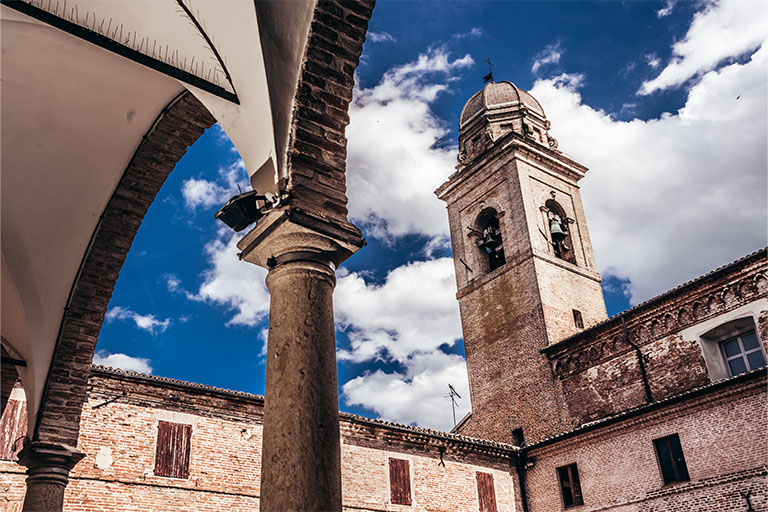
The St. Augustine Complex includes the former Augustinian convent and the Monumental Church of St. Mary of Succour, dating back to the mid-16th century. The church features a single nave adorned with splendid altars and paintings by leading 17th-century artists from the Marche region, including Tiarini, Guerrieri, Ridolfi and Ceccarini. The former monastic service rooms now house the Civic Museum, displaying artefacts from the Picene era to the early 20th century.
3) Abbey of St. Gervasius
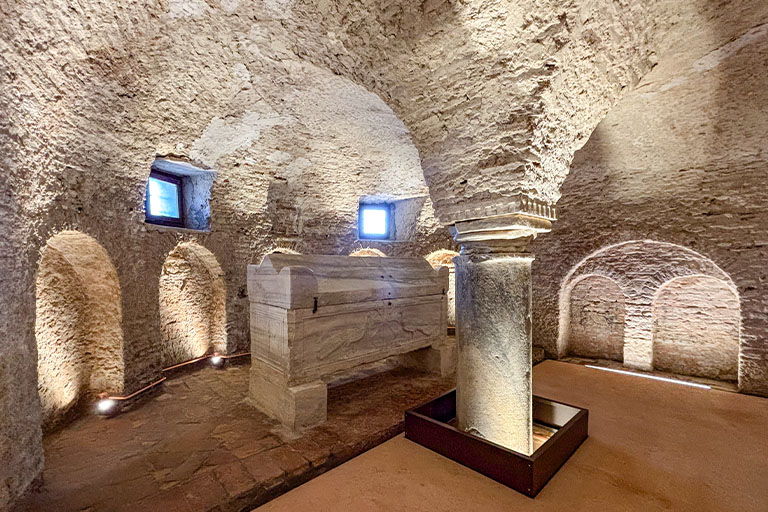
Declared a National Monument in 1927, the Abbey of St. Gervasius of Bulgaria is the most important religious site in the area. This medieval basilica-style church has three naves, modified over time, and features an outstanding circular crypt supported by a central Roman column. Inside lies a precious 6th-century Ravenna-style sarcophagus, the largest of its kind in the Marche region.
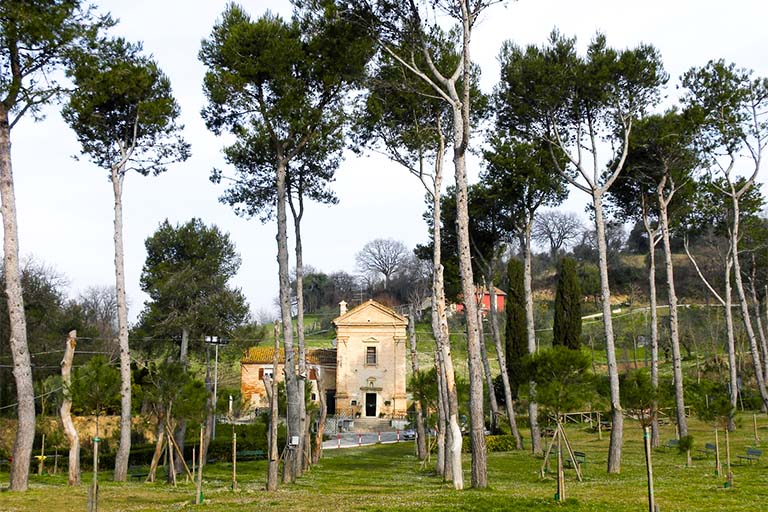
4) Sanctuary of “Madonna delle grotte”
Built in 1682 as an act of devotion, the Sanctuary of “Madonna delle Grotte” reveals a richly carved and gilded wooden altar, framing a niche that shelters the miraculous terracotta image of the Virgin and Child amid clouds and cherubs. The sanctuary is a major pilgrimage destination for worshippers from across the Cesano Valley.
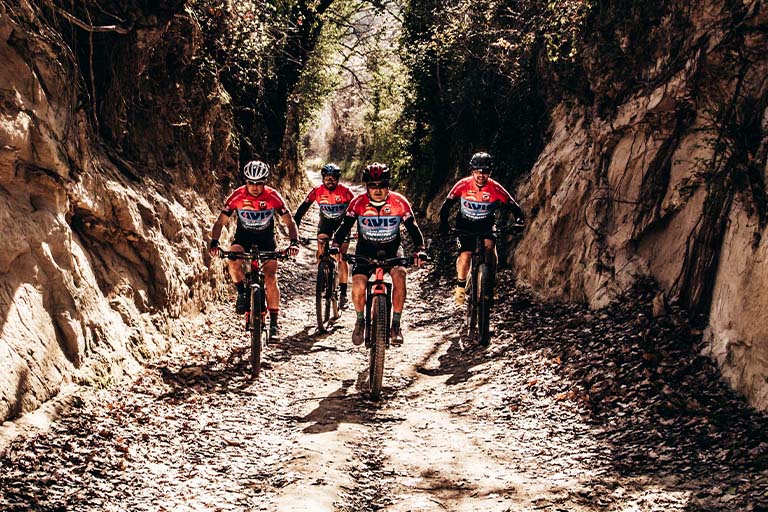
5) “Valley of Tufa” Nature Trail
The “Valley of Tufa” trail starts from the pinewood near the Sanctuary of Our Lady of the Grottoes and winds through country paths toward the ancient village of Stacciola, passing steep tufa cliffs, woodland and the small lake known as “Grottaccia”. The unique geological features of the area provide an ideal nesting habitat for colourful European bee-eaters, which spend the summer here.
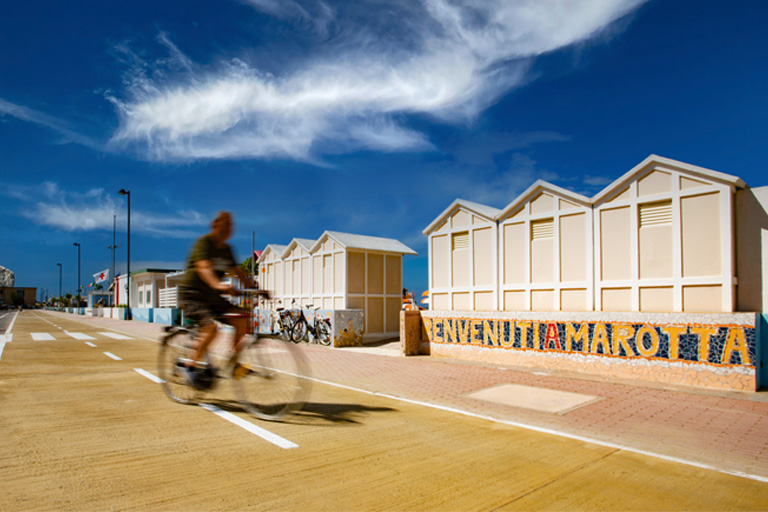
6) Mosaic Seafront Promenade
Marotta’s seafront has been transformed by an ambitious cultural project. Colourful mosaics, created entirely by volunteers, decorate the low walls separating the beach from the promenade along Via Cristoforo Colombo, forming a captivating seaside walk stretching for several kilometres. The long-term goal of creating one of the world’s longest mosaic artworks is steadily taking shape.
7) “The Eleven Heroines” Gardens and Monument
Set between Piazza dell’Unificazione and Via Faà di Bruno in Marotta, the “Eleven Heroines” Gardens host the monument commemorating one of the most moving episodes in local history. On 18 November 1917, eleven young women braved wind, waves and storm to rescue the crew of the military pontoon Faà di Bruno, stranded offshore. Their extraordinary courage was honoured with the Bronze Medal for Military Valour.
8) Castle Armoury
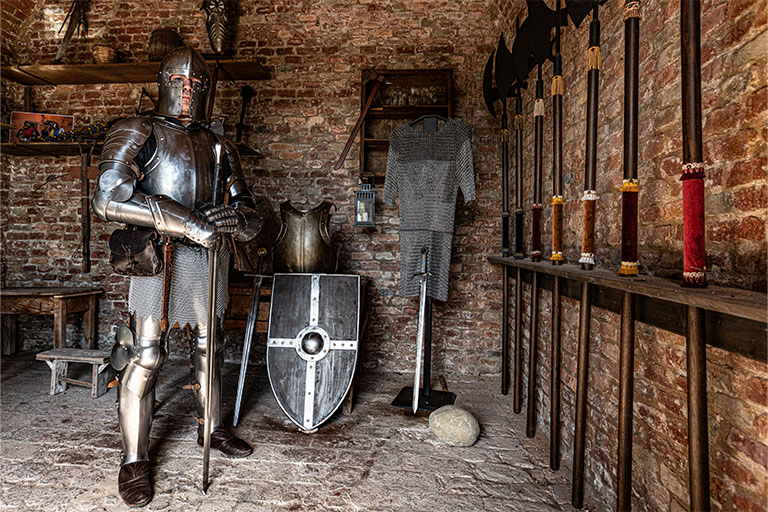
Housed within the ancient walls along Via Vandali, the Castle Armoury displays replicas of medieval and Renaissance weapons, including swords, shields, helmets, halberds and historic artillery. This evocative route recounts the story of the fortress and its defences. In summer, a costumed armourer welcomes visitors with demonstrations and historical tales. Replicas of ancient cannons can also be admired along the ramparts, on the Bastion of St. Anna and at the castle belvedere.
9) Remembrance Park and War Memorial
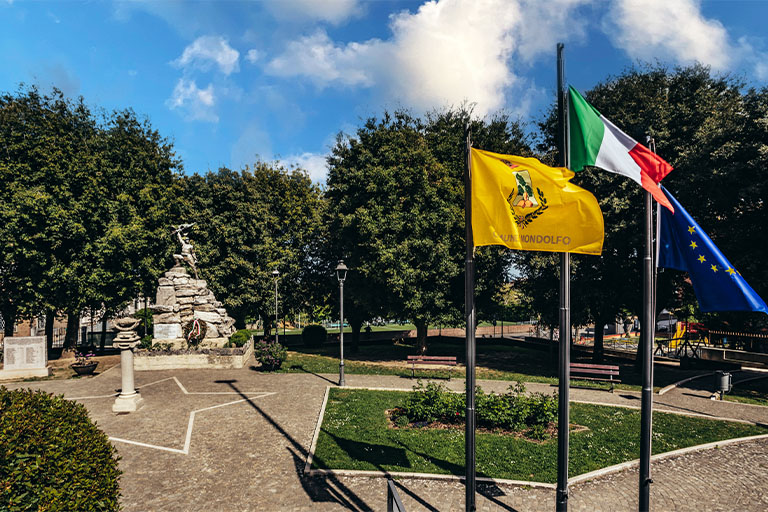
In Mondolfo’s Remembrance Park stands the War Memorial, designed by sculptor Torquato Tamagnini and inaugurated in 1926. The massive stone blocks were transported by train from the Karst region. At its summit, a bronze infantryman waves the Italian tricolour, symbolising memory and sacrifice. Two World War I trench mortars and a memorial stone listing the fallen complete this poignant site.
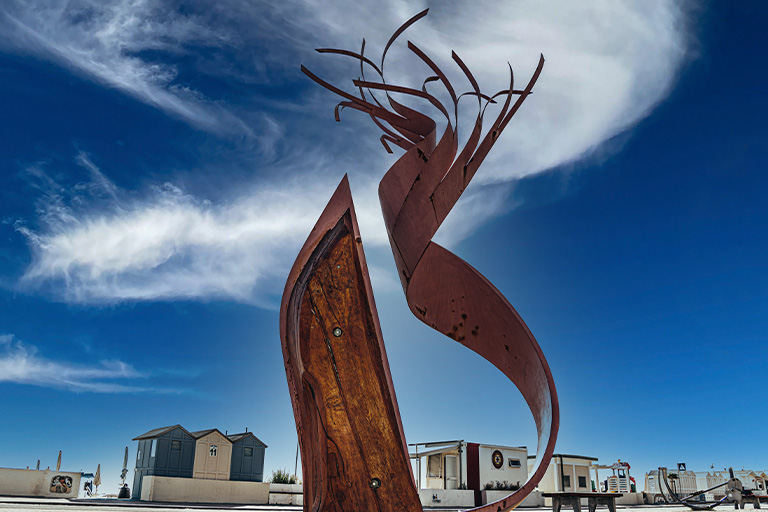
10) Marotta Pier
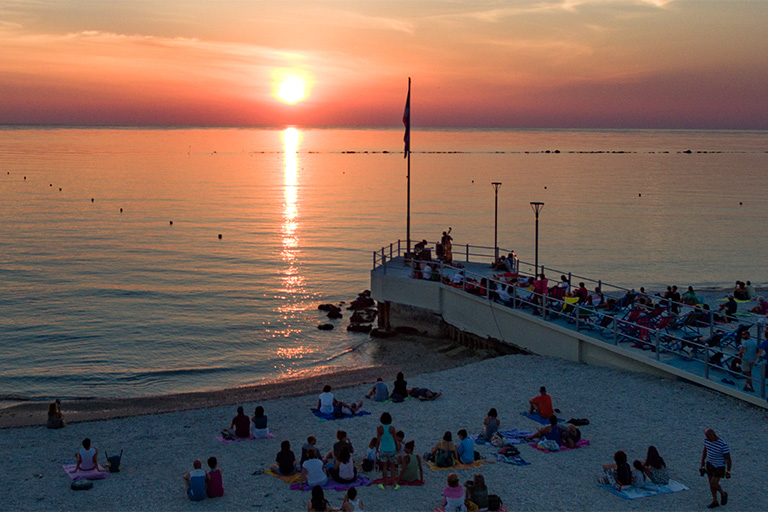
Redeveloped in 2017 with new paving, lantern-style lighting and colourful mosaics, Marotta Pier is now one of the most evocative landmarks of this Blue Flag coastline. A focal point of the promenade along Lungomare Cristoforo Colombo, it hosts summer events and offers moments of relaxation. Built in the immediate post-war period as a fishing harbour and breakwater, it perfectly blends maritime tradition with lively tourism.
Mombaroccio
Overview
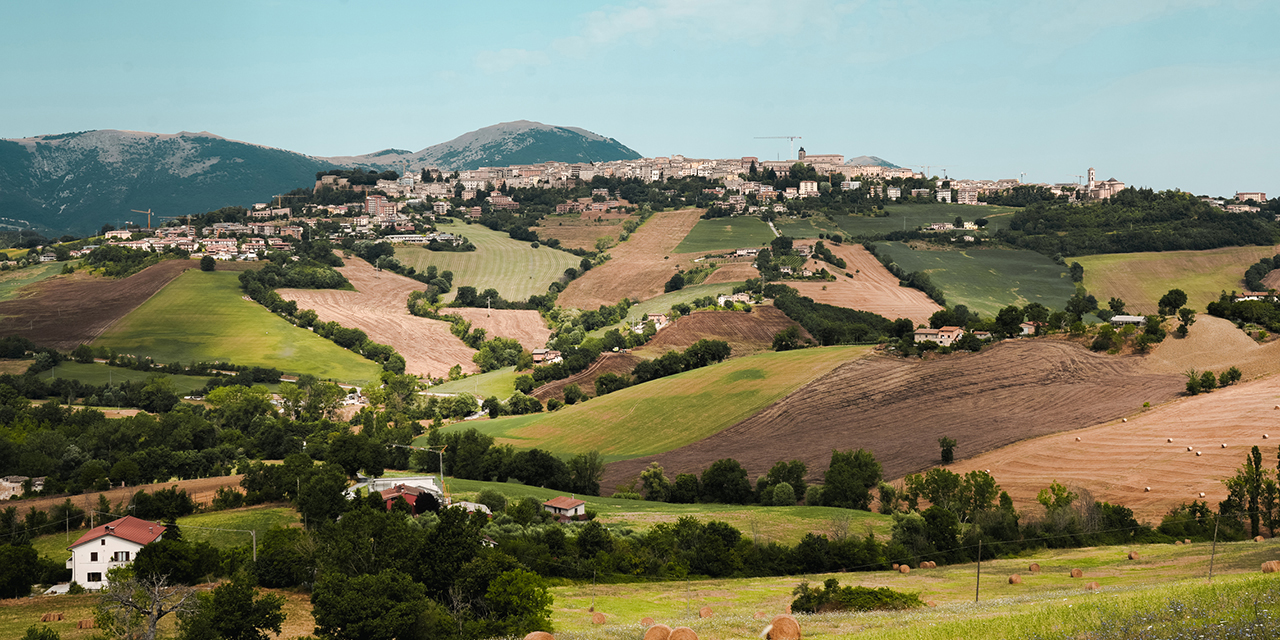
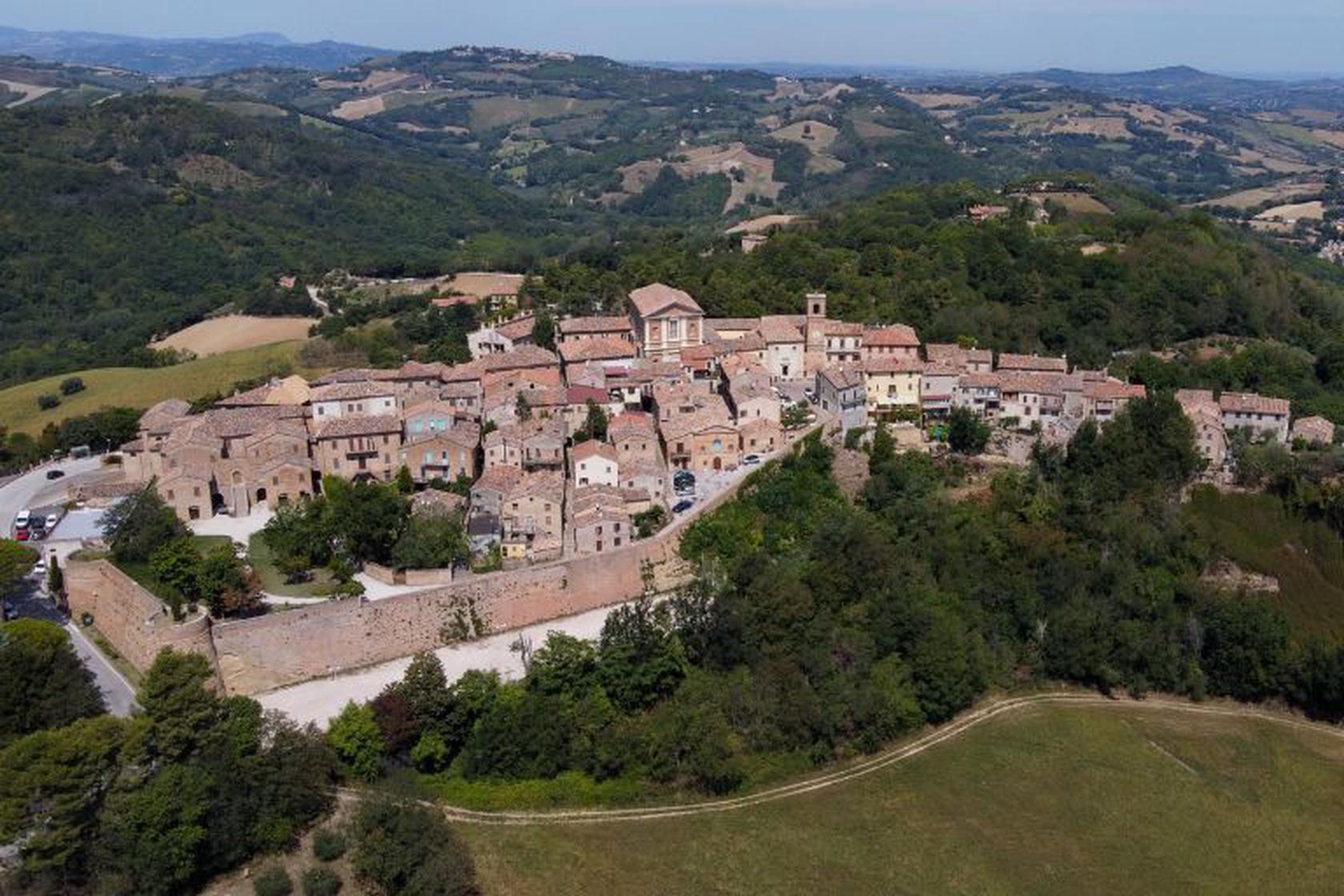
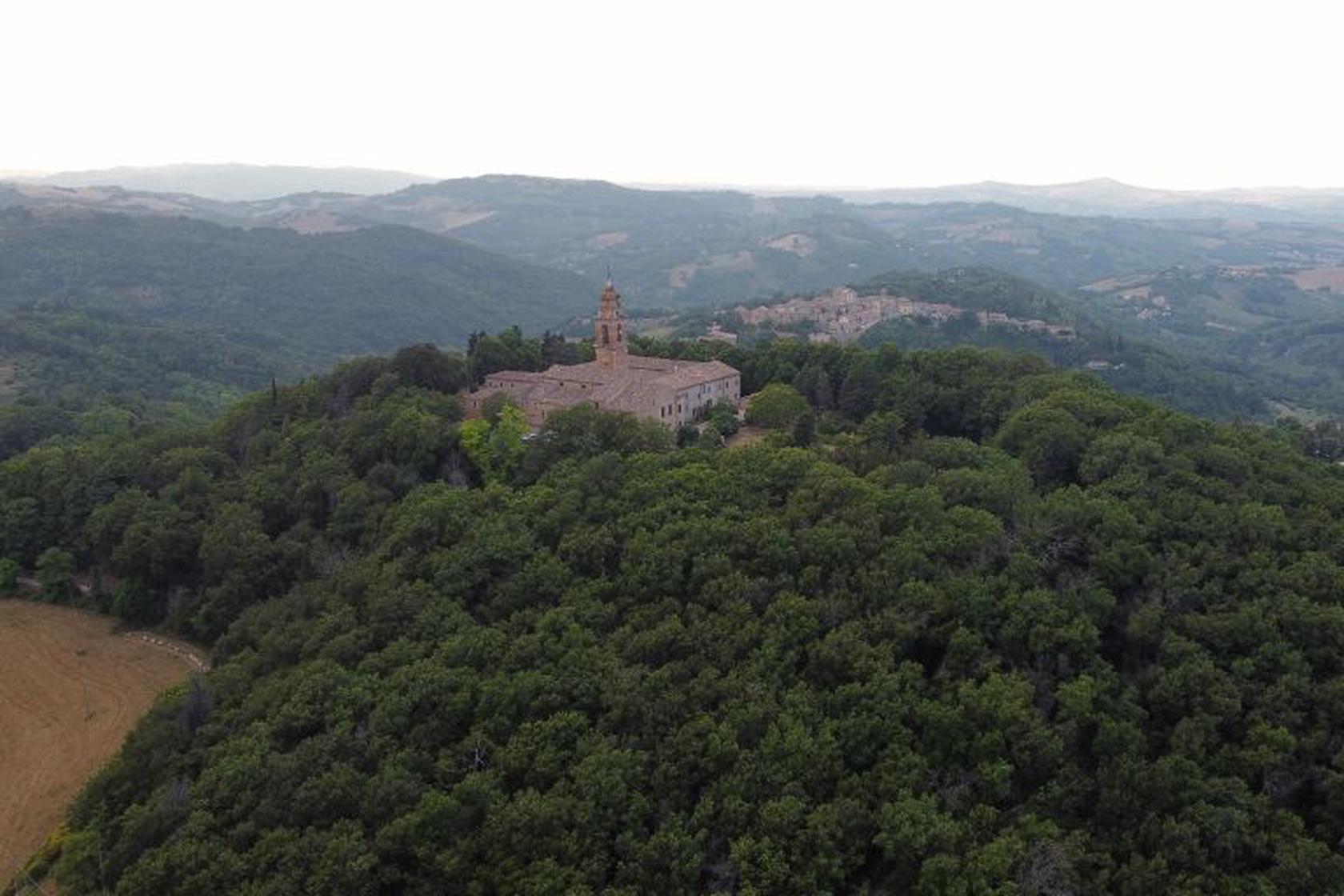
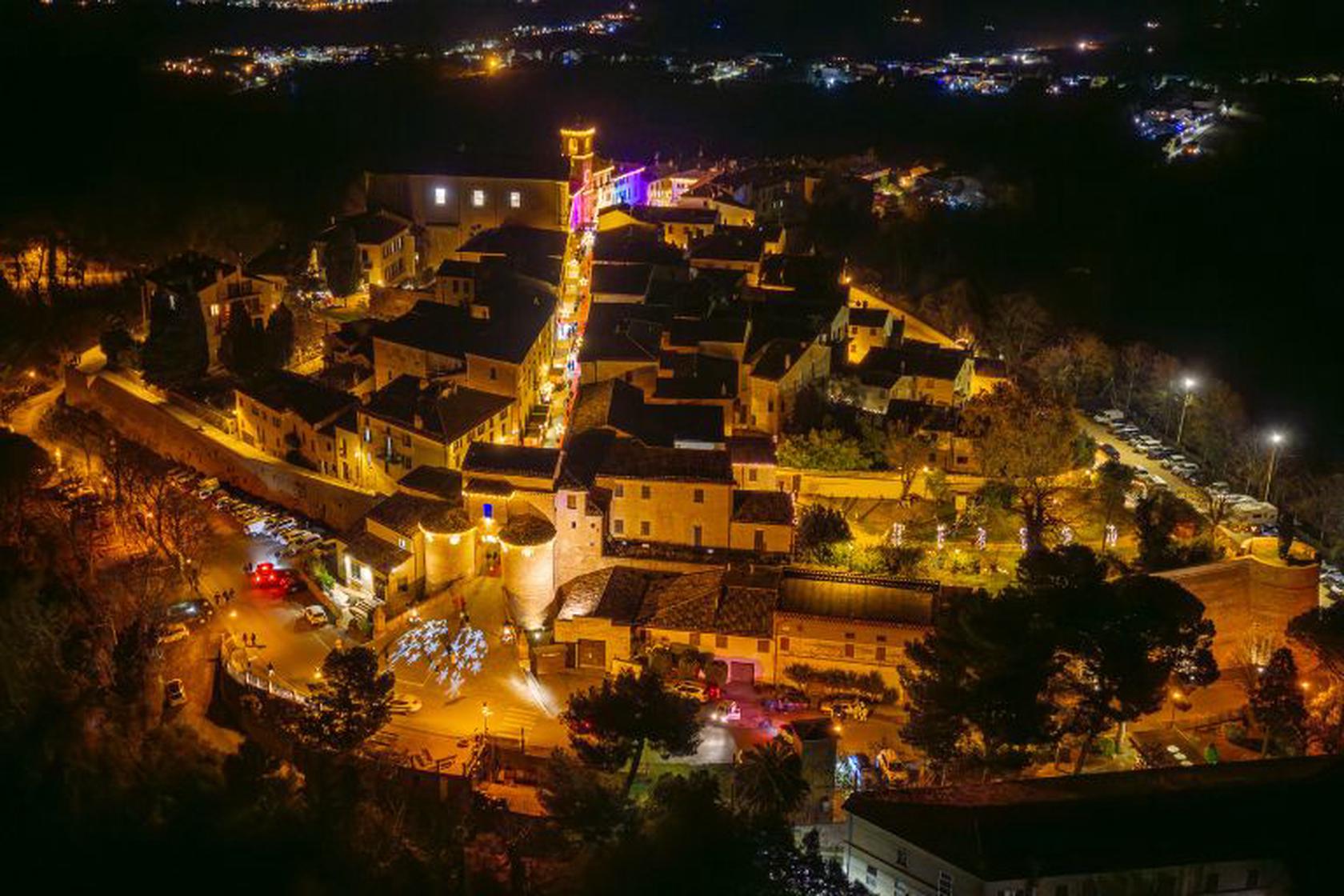
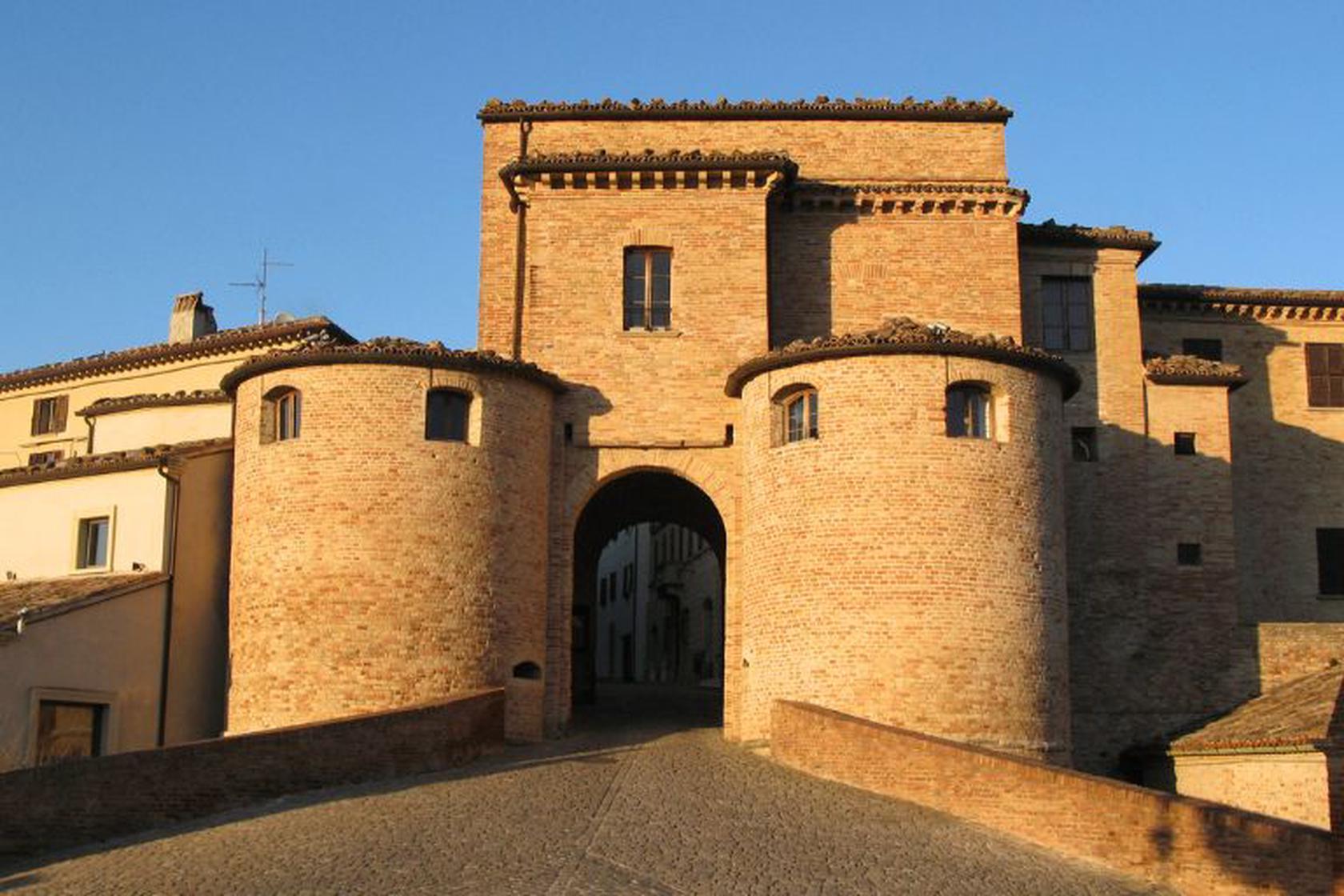
Located in the hills of the Pesaro and Urbino province, Mombaraccio has a compact historic centre partly surrounded by medieval walls, which bear witness to its ancient origins. The town is known for its tranquillity and the natural environment that surrounds it, consisting of hills and green paths.
Food
1) Cartoceto PDO Olive Oil
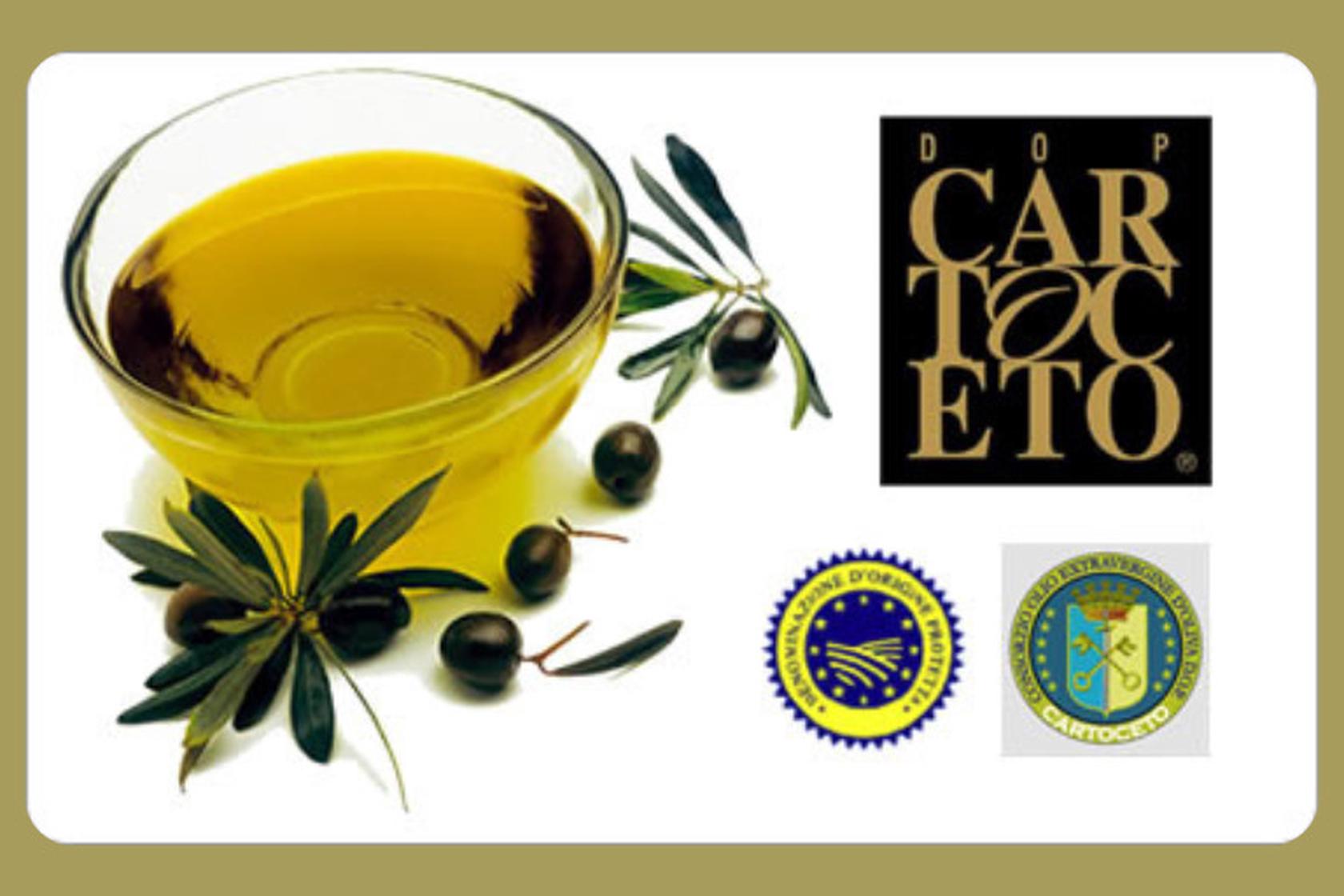
Mombaroccio lies within the Cartoceto PDO production area, together with Cartoceto, Saltara, and Serrungarina. Olive oil from these lands has long been among the most prized and appreciated products, a constant presence in local markets. Historical records from as early as the 1500s attest to the renown of Cartoceto oil, valued both locally and beyond the region.
2) Formaggio di Fossa (Pit-Aged Cheese)
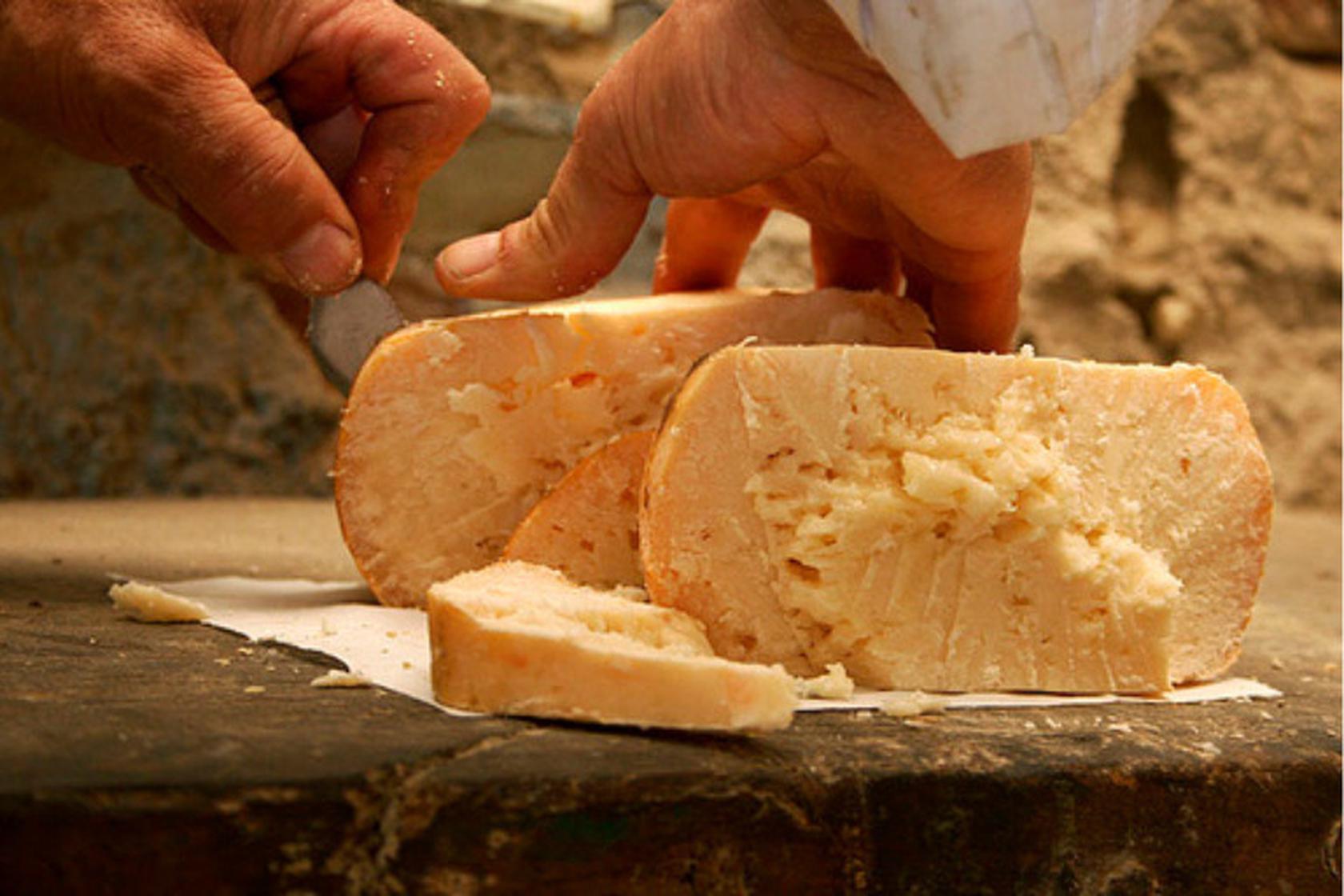
According to legend, this cheese originated by chance in the 15th century, when farmers hid their supplies in pits to protect them from soldiers. These medieval underground spaces, dug into tuff stone and once used for storing grain, are now used for maturing cheese through four stages: pit preparation, cheese placement, ageing, and extraction .
3) Honey
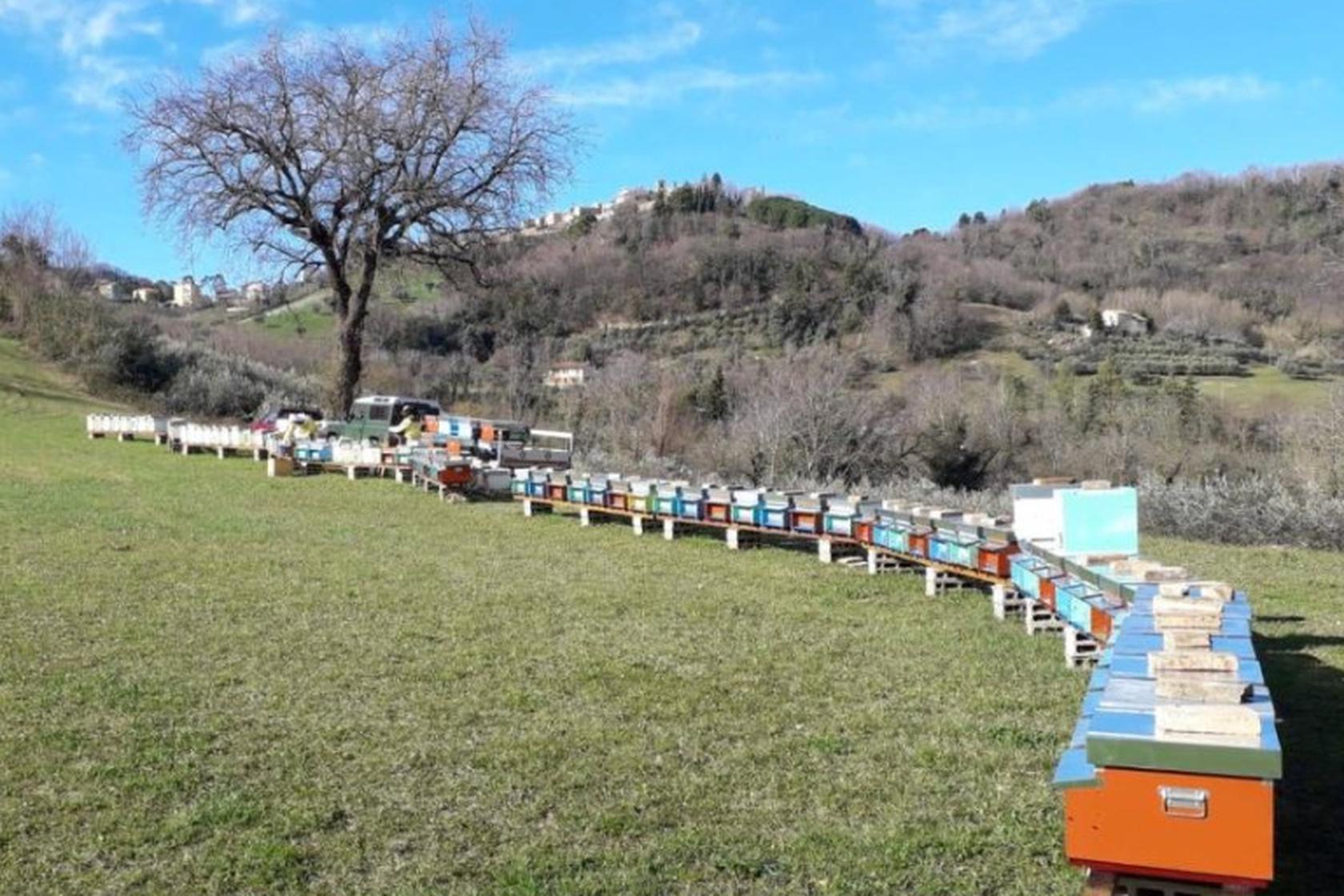
The beehives on Mombaroccio’s wooded hills are far from traffic and intensive farming. Thanks to this pristine environment, the local honey is pure, natural, and full of rich flavor.
4) Lavender
Lavender thrives at the foot of the Sanctuary of Blessed Sante. Its intense, enveloping fragrance offers freshness and delicacy, and it is cultivated strictly under certified organic methods. The pure essential oil obtained forms the basis for a range of natural beauty and home products.
Points of interest
1) Palazzo del Monte
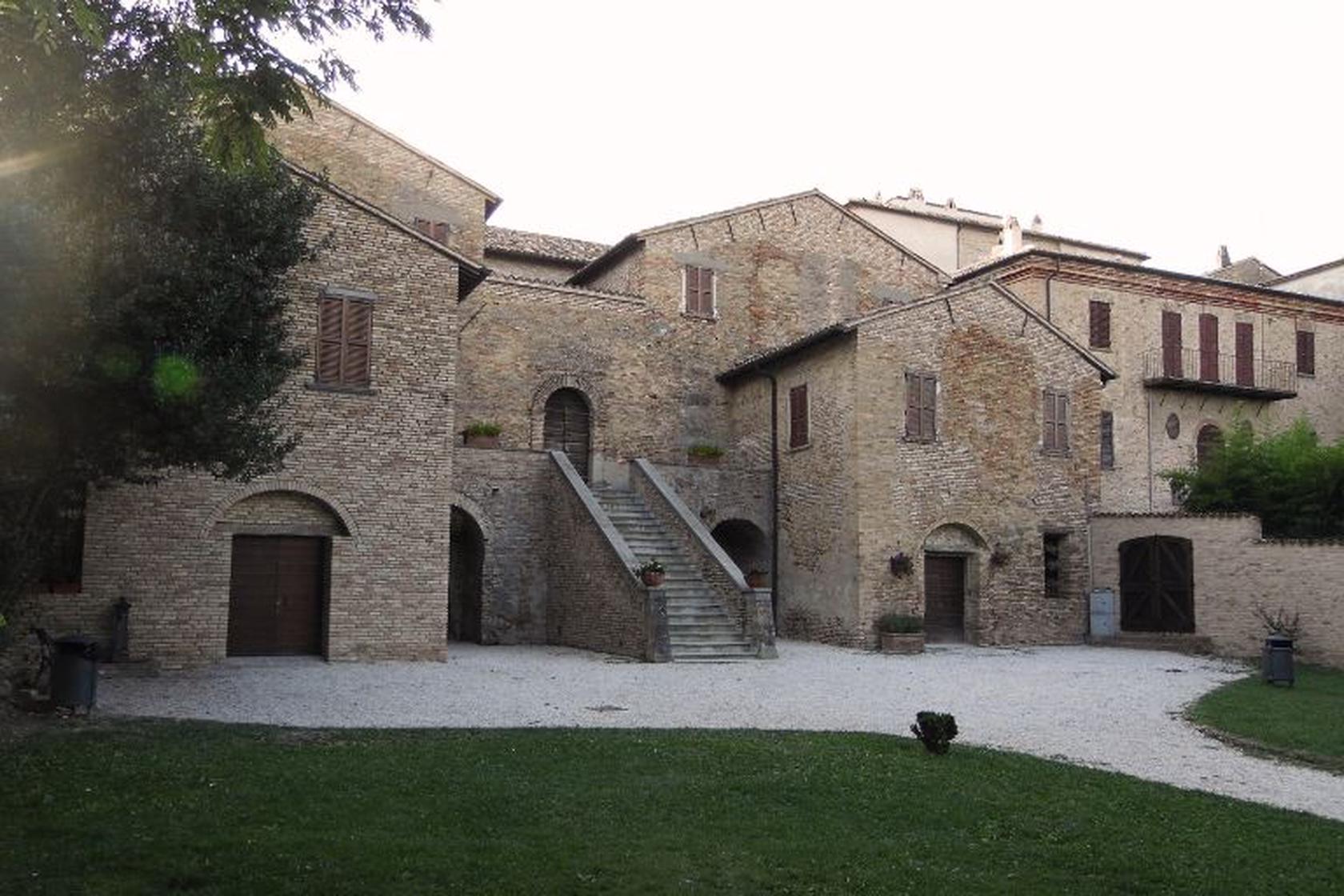
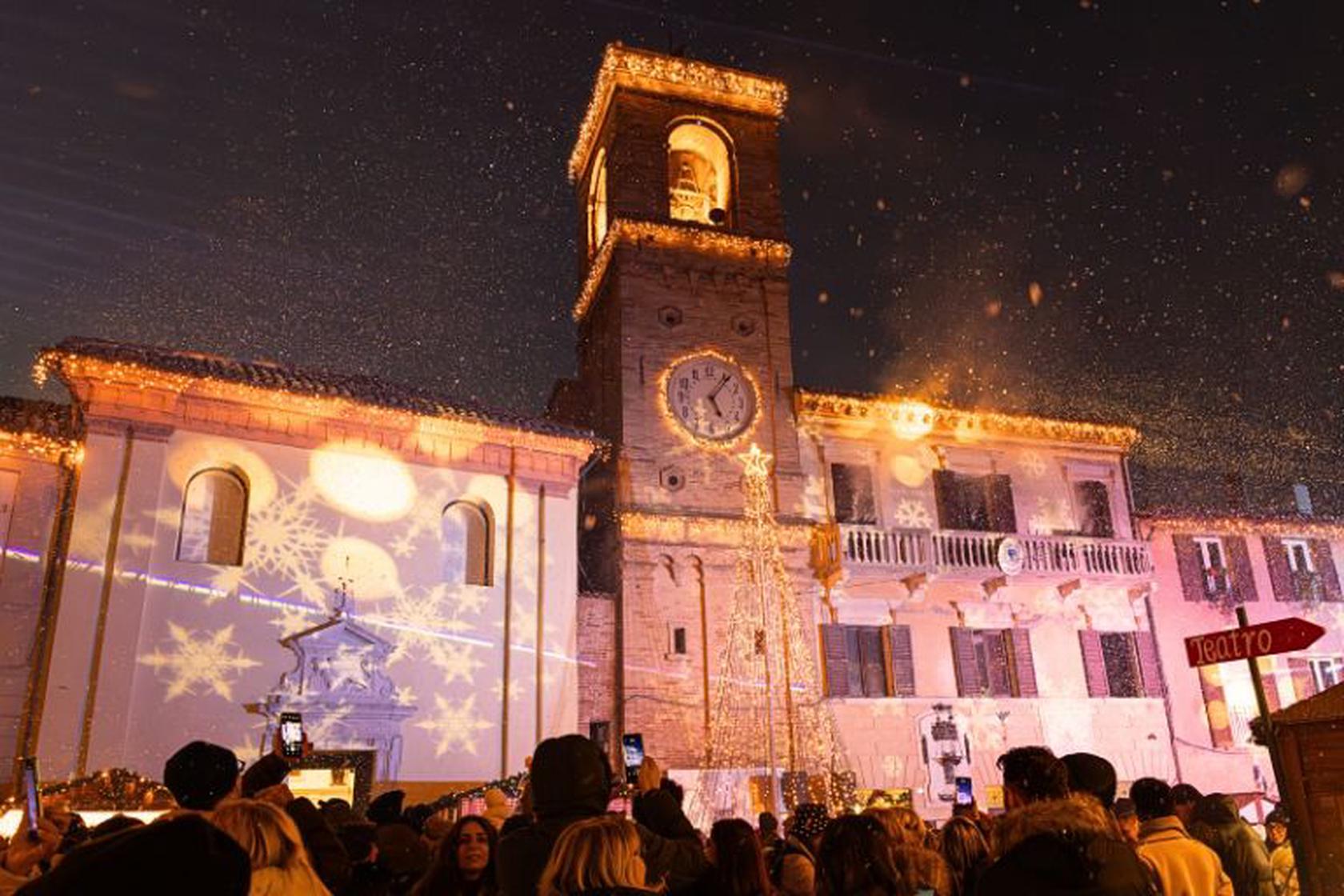
Symbol of Mombaroccio, this late Medieval palace was expanded in the 16th century as the noble rulers’ residence. It embodies the town’s economic and social rise, especially under scientist-marquis Guidobaldo del Monte (1545–1607). Today, the palace and its garden form an architectural gem and cultural hub enlivening the historic center.
2) Sanctuary of Beato Sante
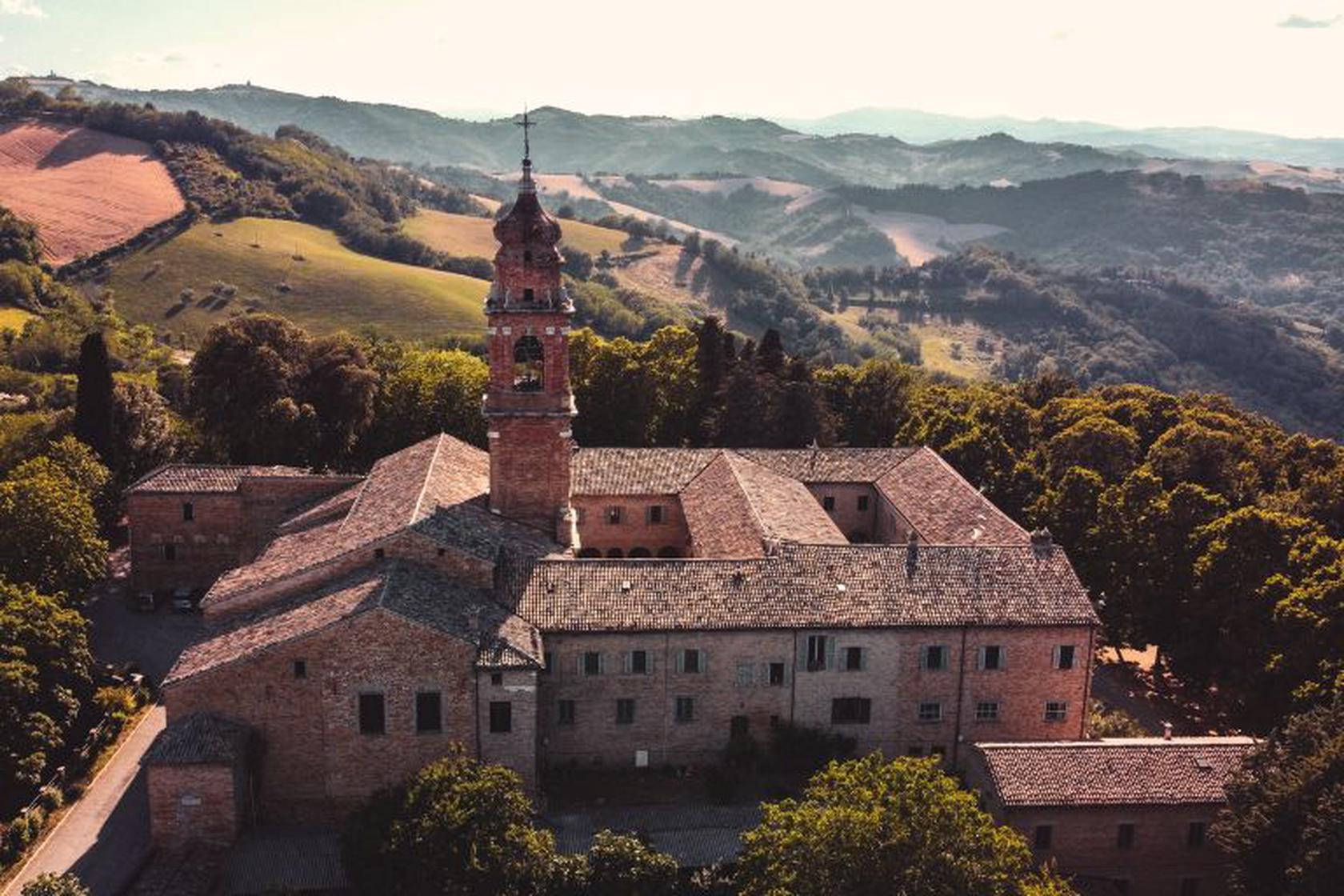
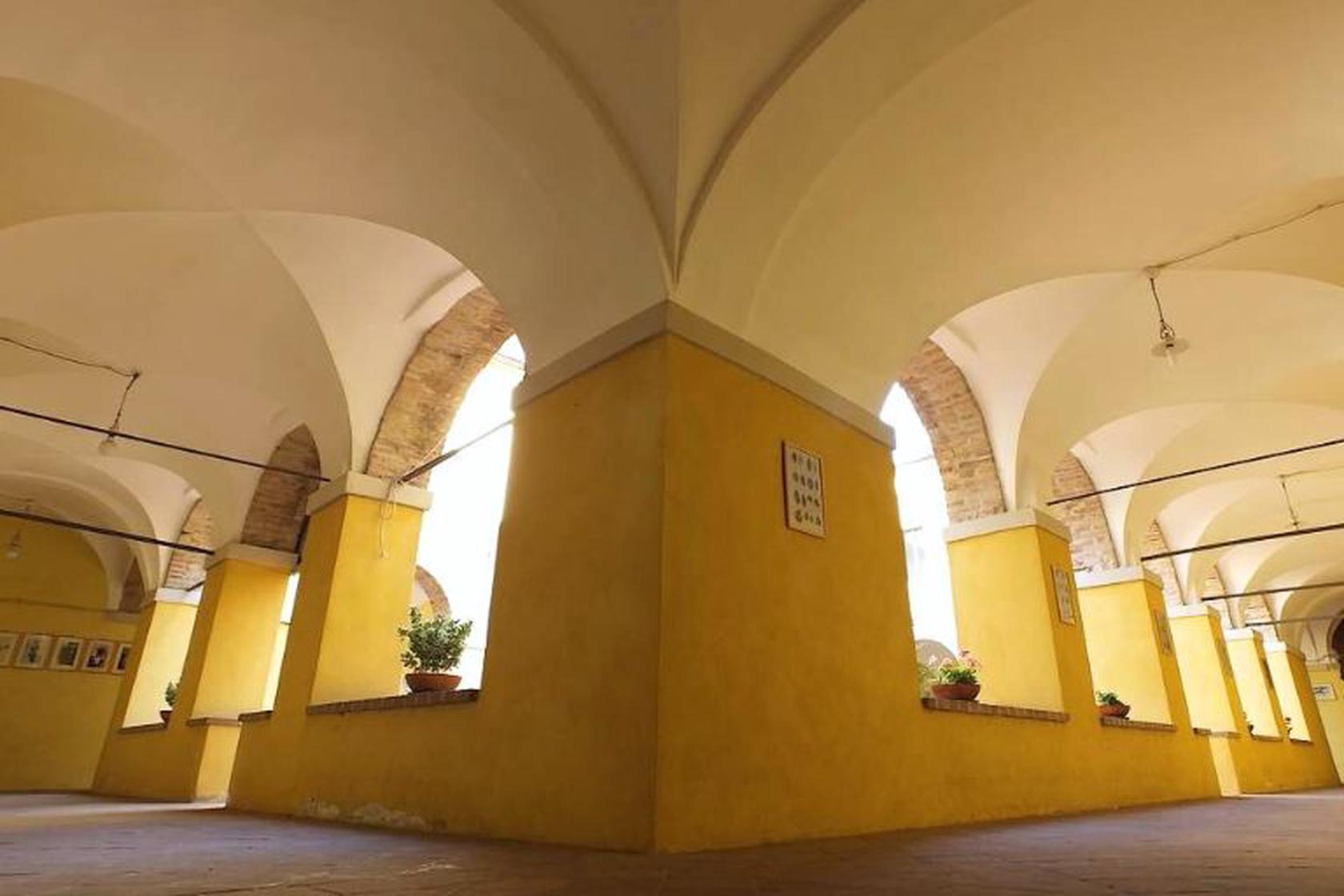
This Franciscan sanctuary, founded in 1223, features a church, convent, cloister, and evocative four-sided portico with round arches. Nestled amid downy oaks, maples, chestnuts, and Mediterranean scrub, it offers peace to thousands of pilgrims and visitors yearly.
3) Museum of Rural Life
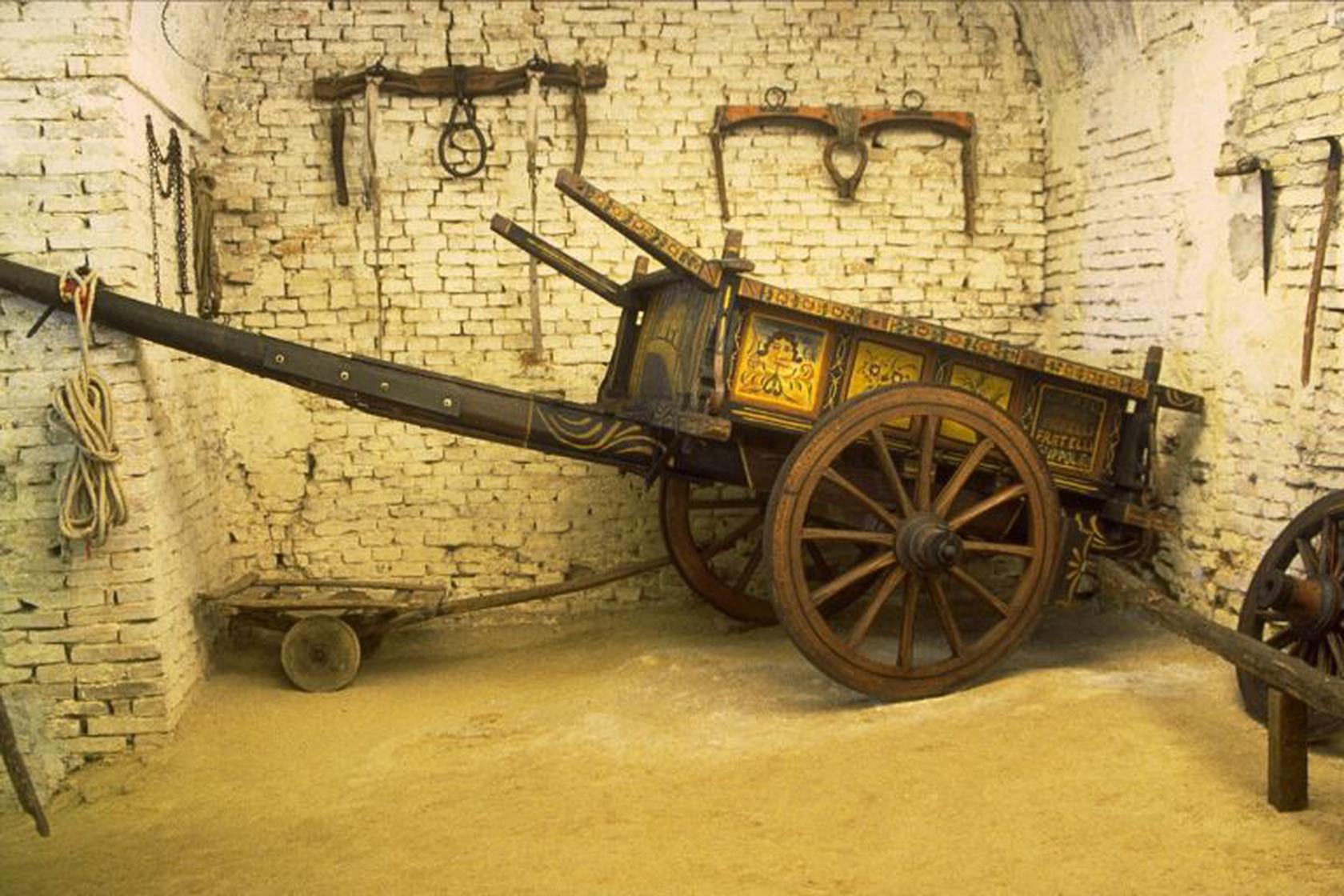
One of the few Marche Region-recognized museums, it showcases rural life in evocative 15th-century Girolamini Convent caves (once cellars). Artifacts recreate vanished daily scenes from the recent past.
4) Galileo and Guidobaldo Workshop
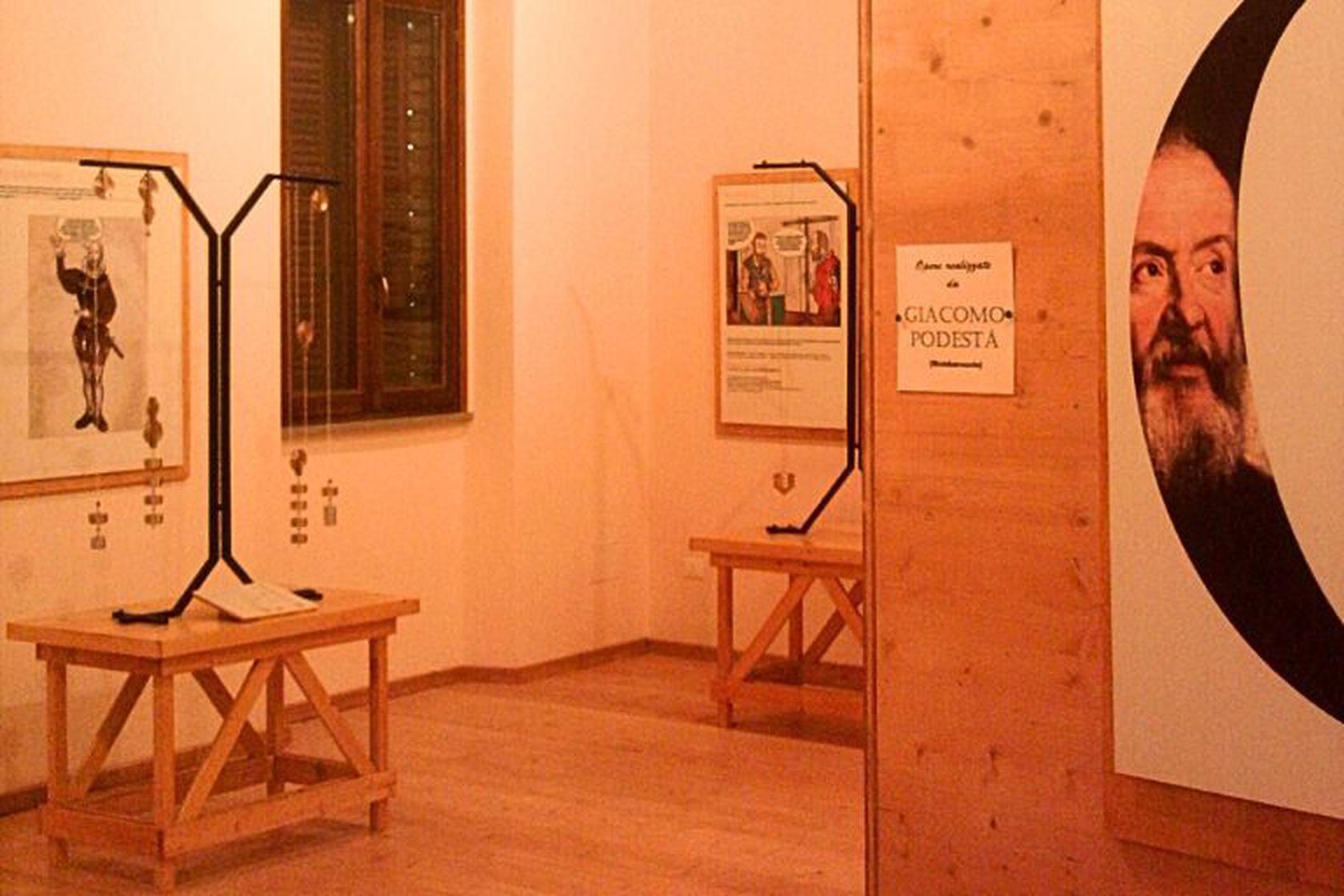
Housed in Palazzo del Monte’s 16th-century rooms, it reconstructs experiments by Guidobaldo del Monte (1545–1607), Marquis of Mombaroccio, highlighting his ties to Galileo Galilei and Pier Matteo Giordani. Panels detail their lives and the devices.
5) Museum of Sacred Art
In the Church of San Marco’s sacristy, in Mombaroccio’s medieval heart, it displays wooden art, paintings, vestments, devotional items, and sacred furnishings from local churches and convents.
6) Girolamini Cloister
This 15th-century cloister with loggia, once part of the Girolamini Convent, links to the Church of San Marco and Civic Museums. Recent restorations recovered terracotta floors and added a transparent roof for year-round cultural, social, and food events.
7) Church of SS Vito and Modesto
This 14th-century parish church, rebuilt multiple times, features a fine late-18th-century organ and 16th-century paintings. Standout: the altarpiece of the Madonna of the Rosary, attributed to Umbrian painter Avanzino Nucci.
8) Historic Municipal Theatre
Mombaroccio’s cultural gem, designed by Pesaro architect Andrea Antaldi (1818), became a cinema post-WWII before decommissioning. Restored 2008–2011, it revived its wooden furnishings and theatrical role.
Videos Stage 05

Tirreno Adriatico Crédit Agricole 2026 | Stage 5 | Highlights
13 Mar 2026
Tirreno Adriatico Crédit Agricole 2026 | Stage 5 | Last KM 🇬🇧
13 Mar 2026Photos Stage 05

Tirreno Adriatico Crédit Agricole 2026 | Stage 5 | Best of
13/03/2026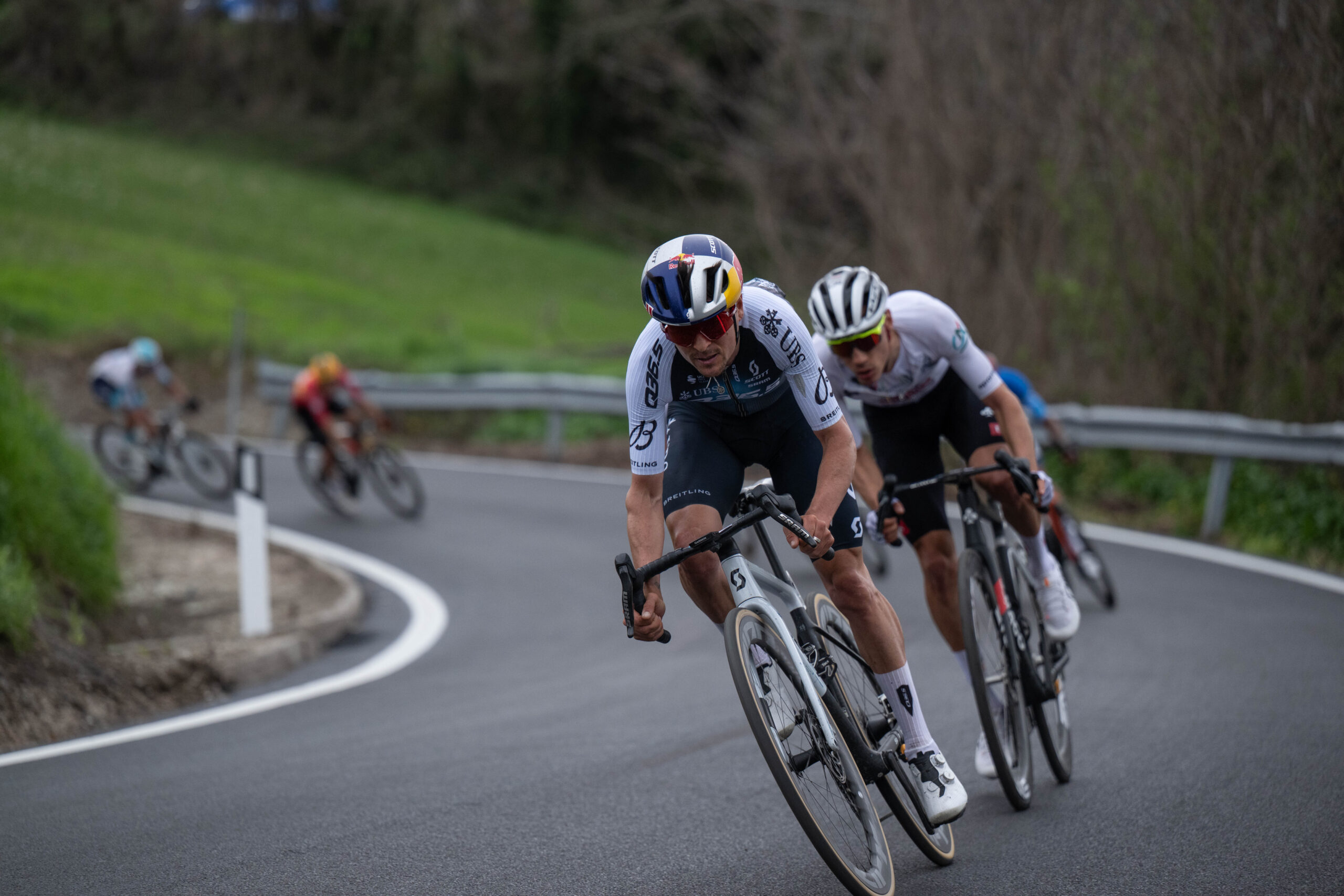
Tirreno-Adriatico Crédit Agricole 2025 | Stage 5 | Best of
14/03/2025