


profile
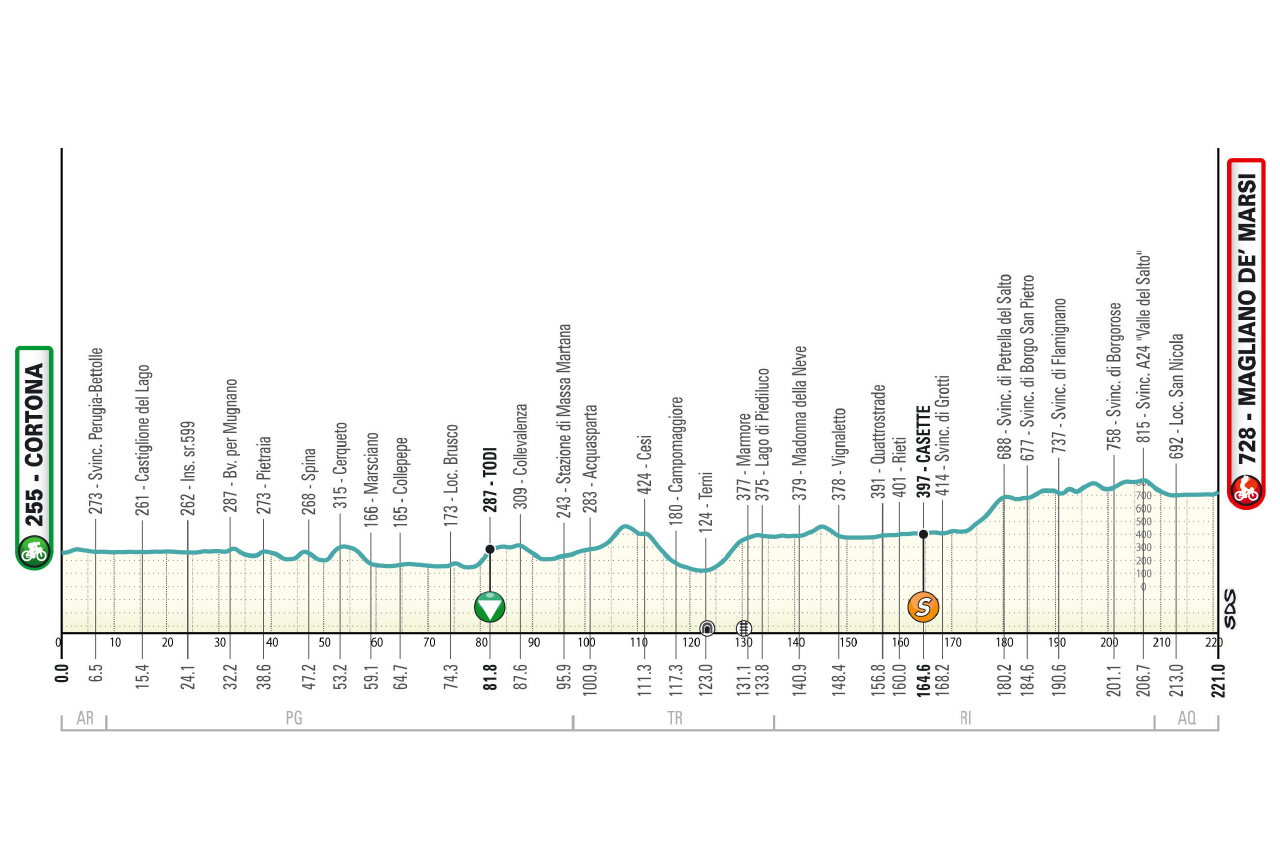
map
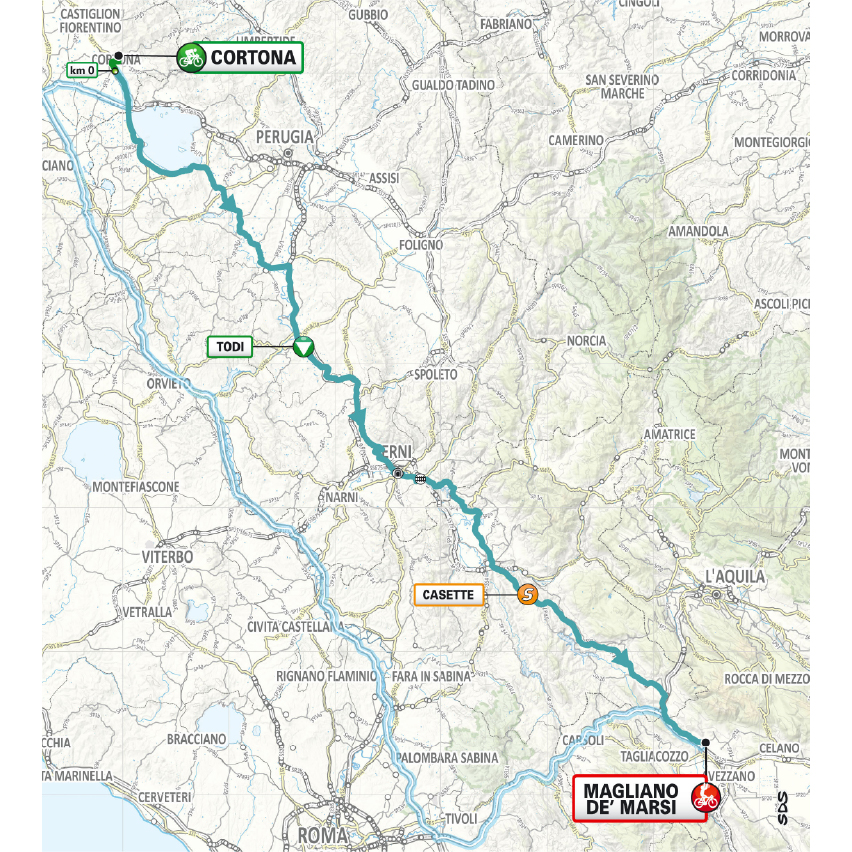
technical info
A very long and slightly undulating stage unfolding over a succession of gentle rises and dips, including sections around Todi and the Marmore area. A fast finale gradually uphill over the final 15 km leads to the finishing straight (around 3%).
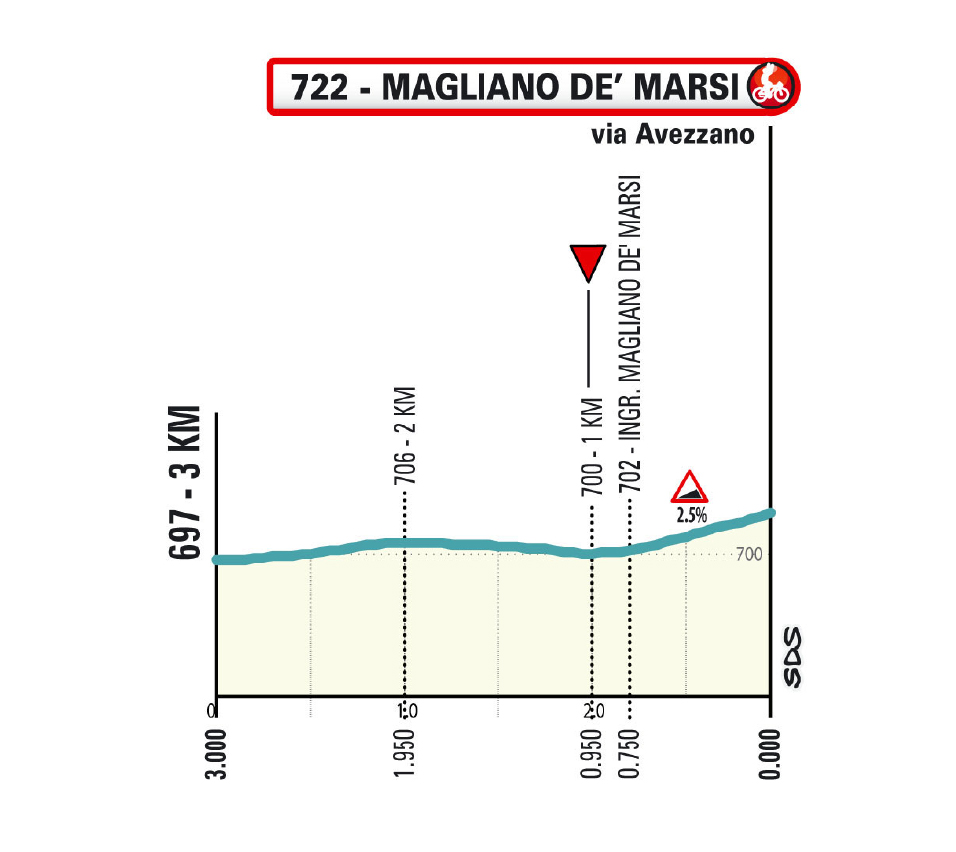
Final kilometers
The closing kilometres are flat and virtually straight. After entering Magliano de’ Marsi, the road drags slightly uphill (around 2%) to the finishing straight on tarmac.
start / finish
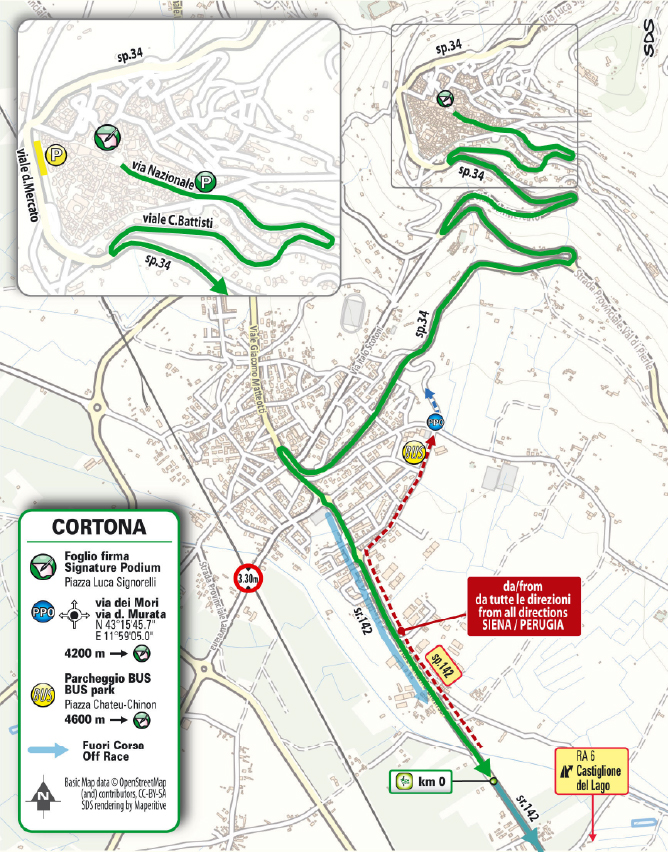
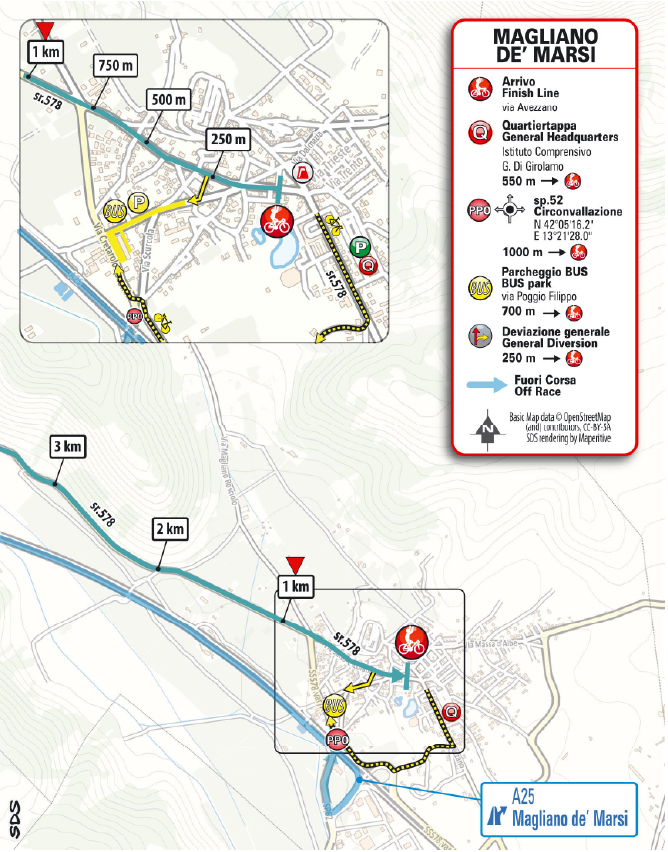
final kilometres
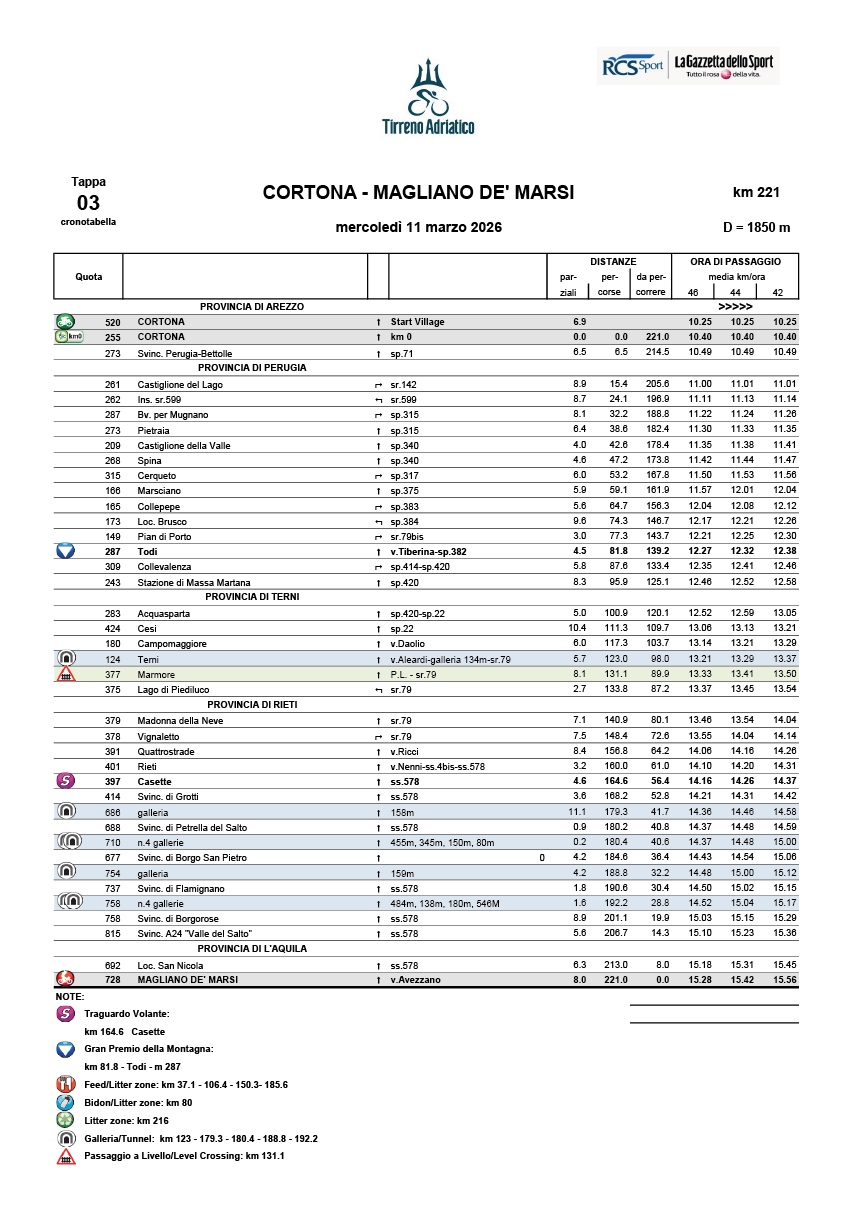
itinerary timetable
tourist info
Host city:
Cortona
Overview
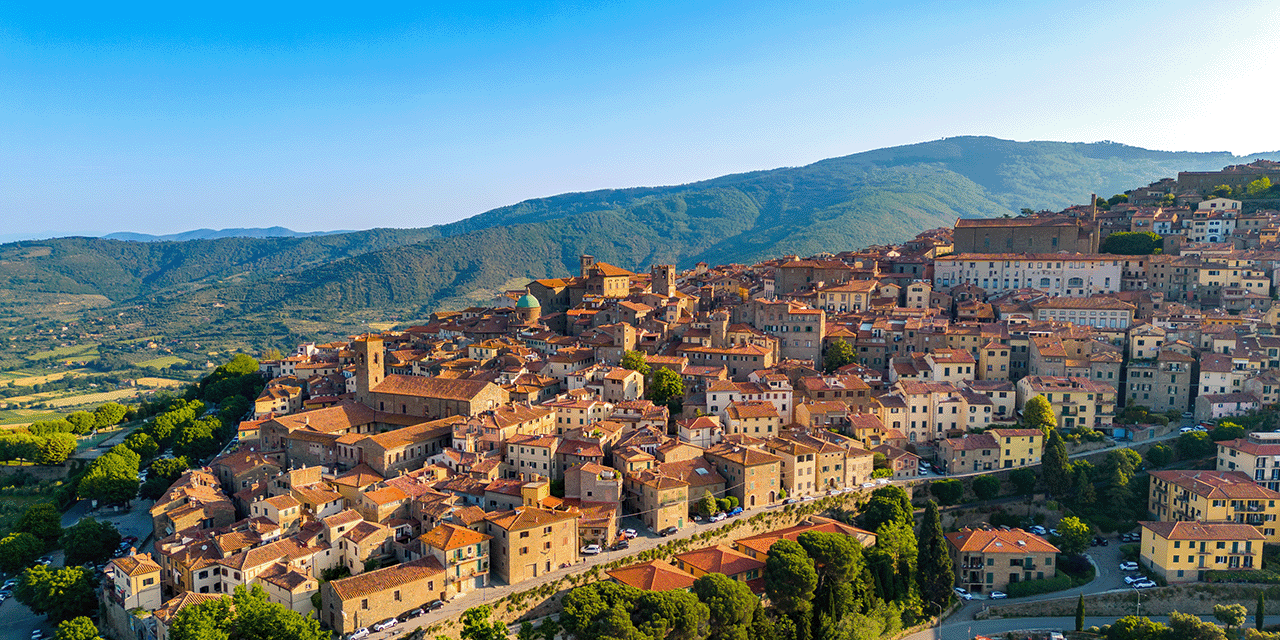
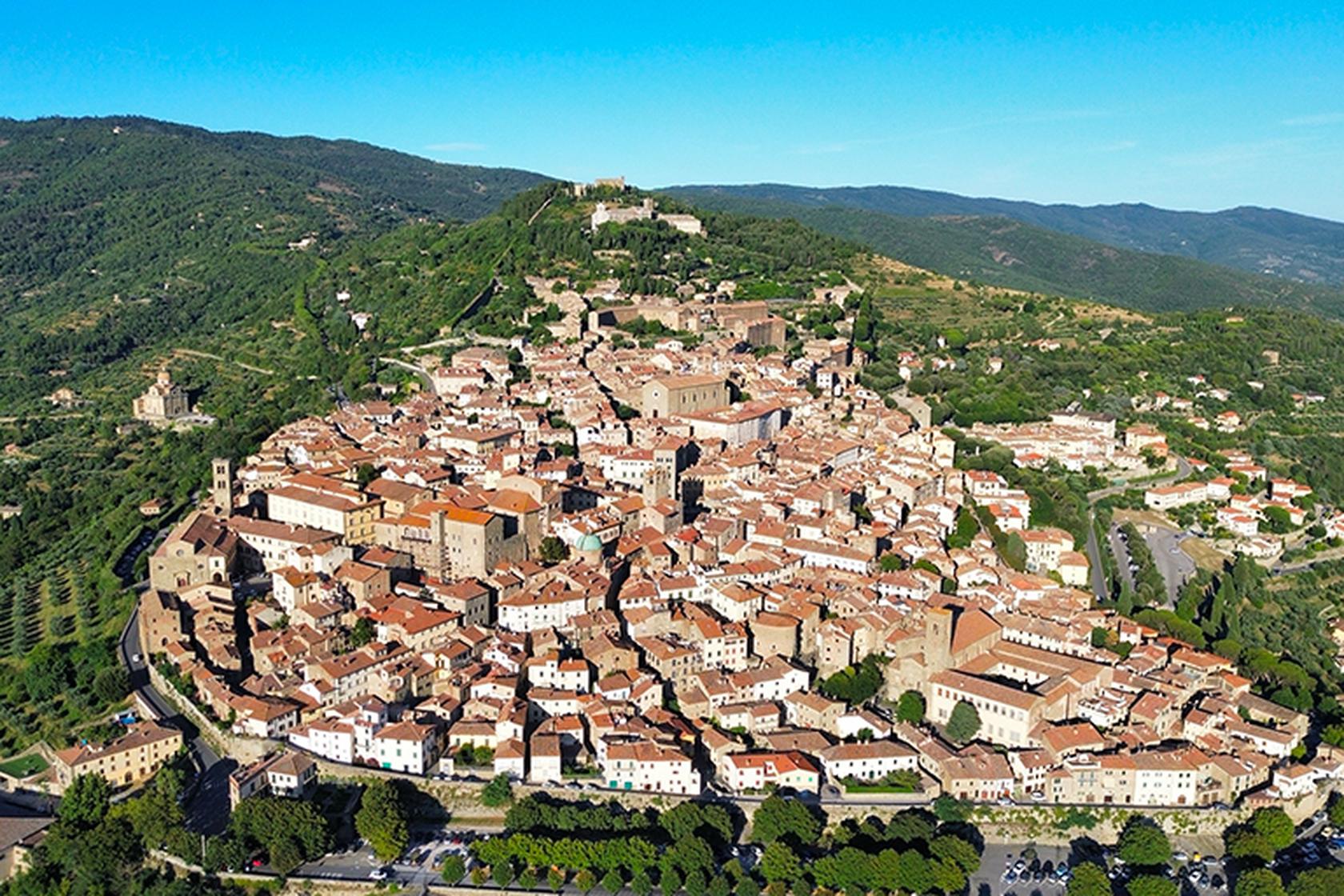
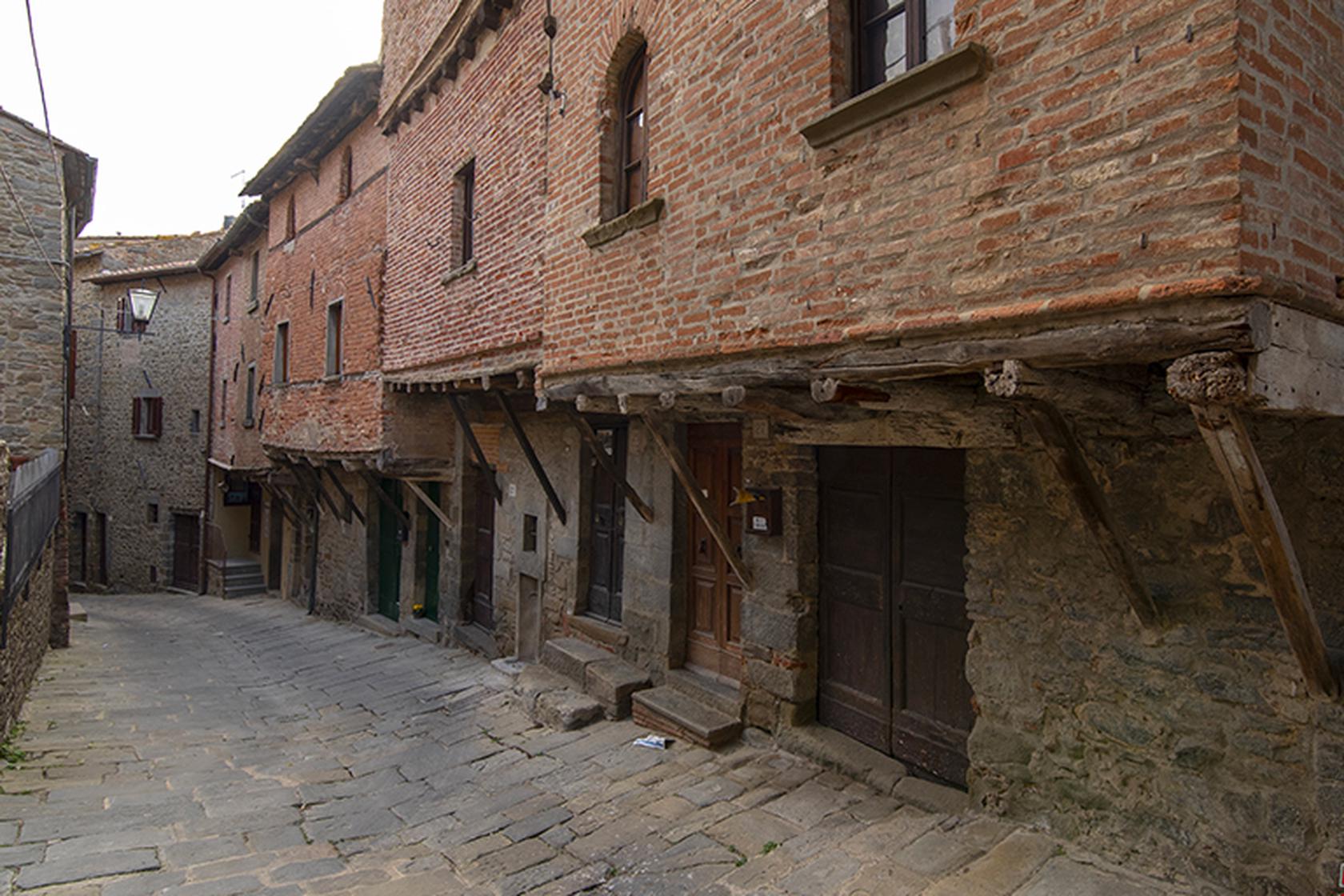
Located in the province of Arezzo, on a hill overlooking the Valdichiana and Lake Trasimeno, Cortona has origins dating back to Etruscan times, still recognisable in some structures and ancient walls. The historic centre is a maze of narrow streets and panoramic squares, retaining a strong medieval character. Cortona is appreciated for its artistic heritage, museums and sweeping views of the surrounding countryside, combining history, culture and landscape.
Food
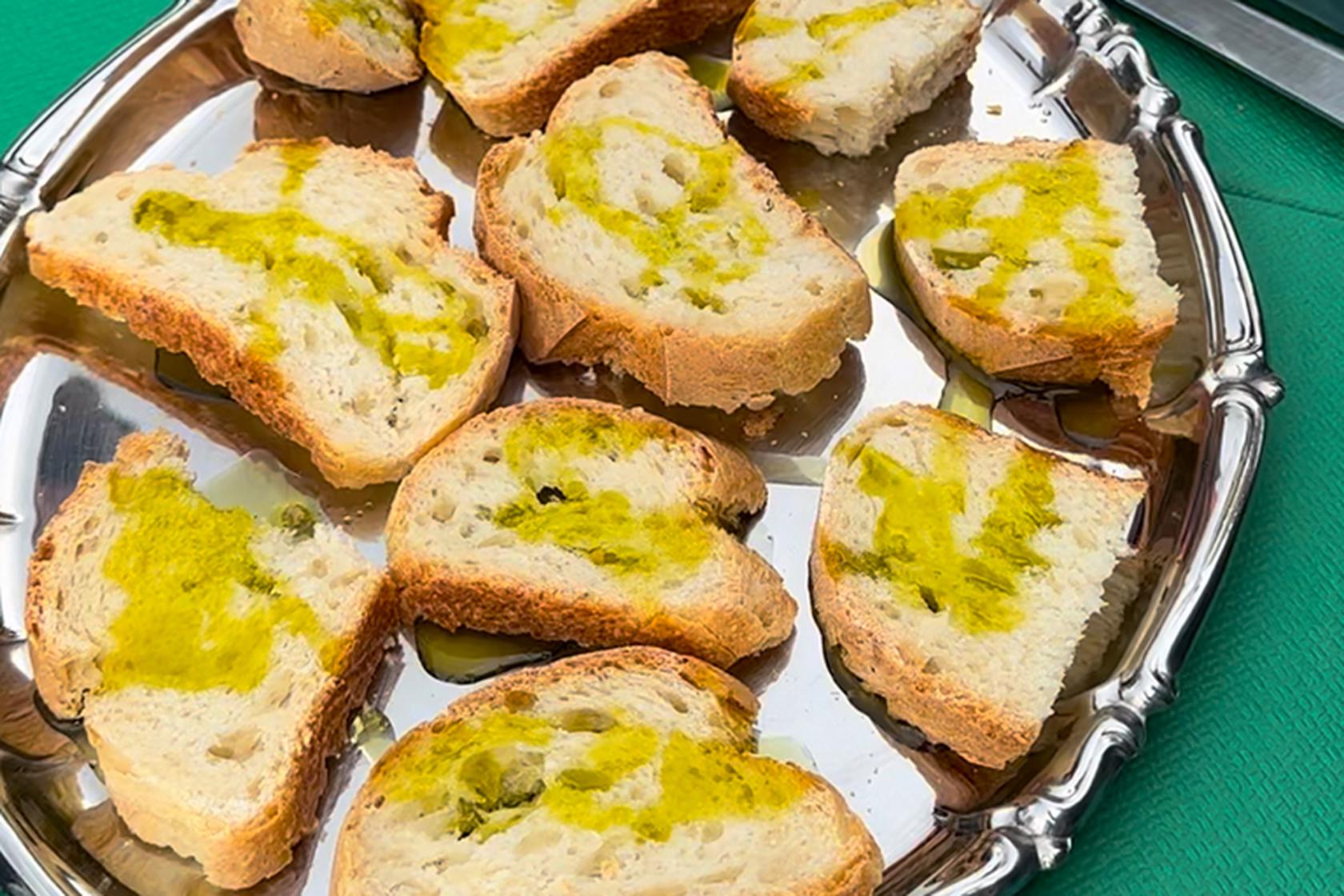
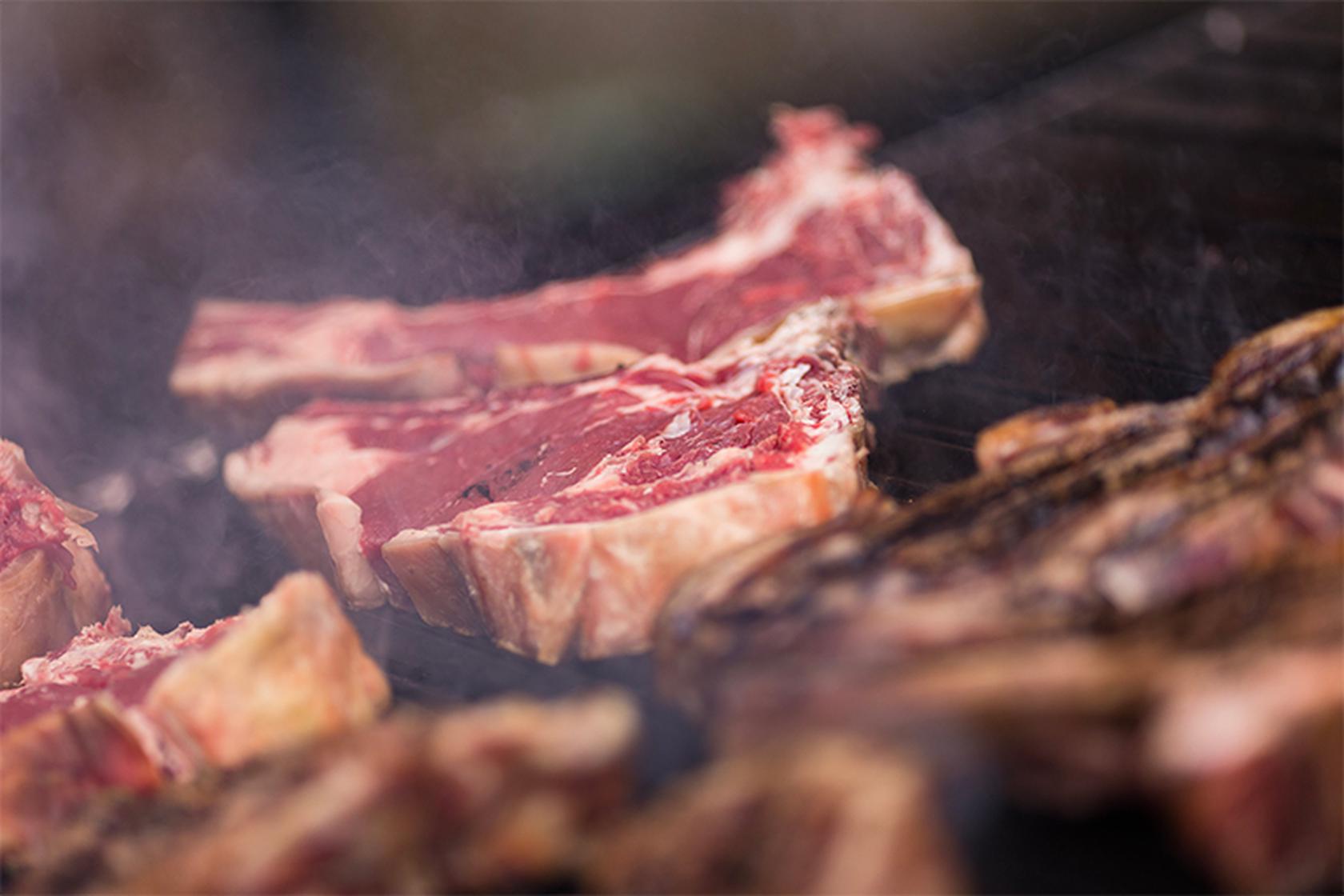
From a gastronomic point of view, Cortona offers typical specialties based on extra virgin olive oil; bruschetta is not to be missed during the olive-pressing season. Other local specialties include crostini, black liver pâté (“nero di fegatini”), and a slightly spicy tomato spread (“rosso”). Recently, “Penne al fumo” has become popular — a pasta dish with a pancetta-based sauce — as well as pici pasta with aglione garlic sauce from the Valdichiana. Among the main courses, highlights include Chianina beef steak (excellent also served “tagliata” which is sliced), tripe, and roasted duck, chicken, and rabbit.
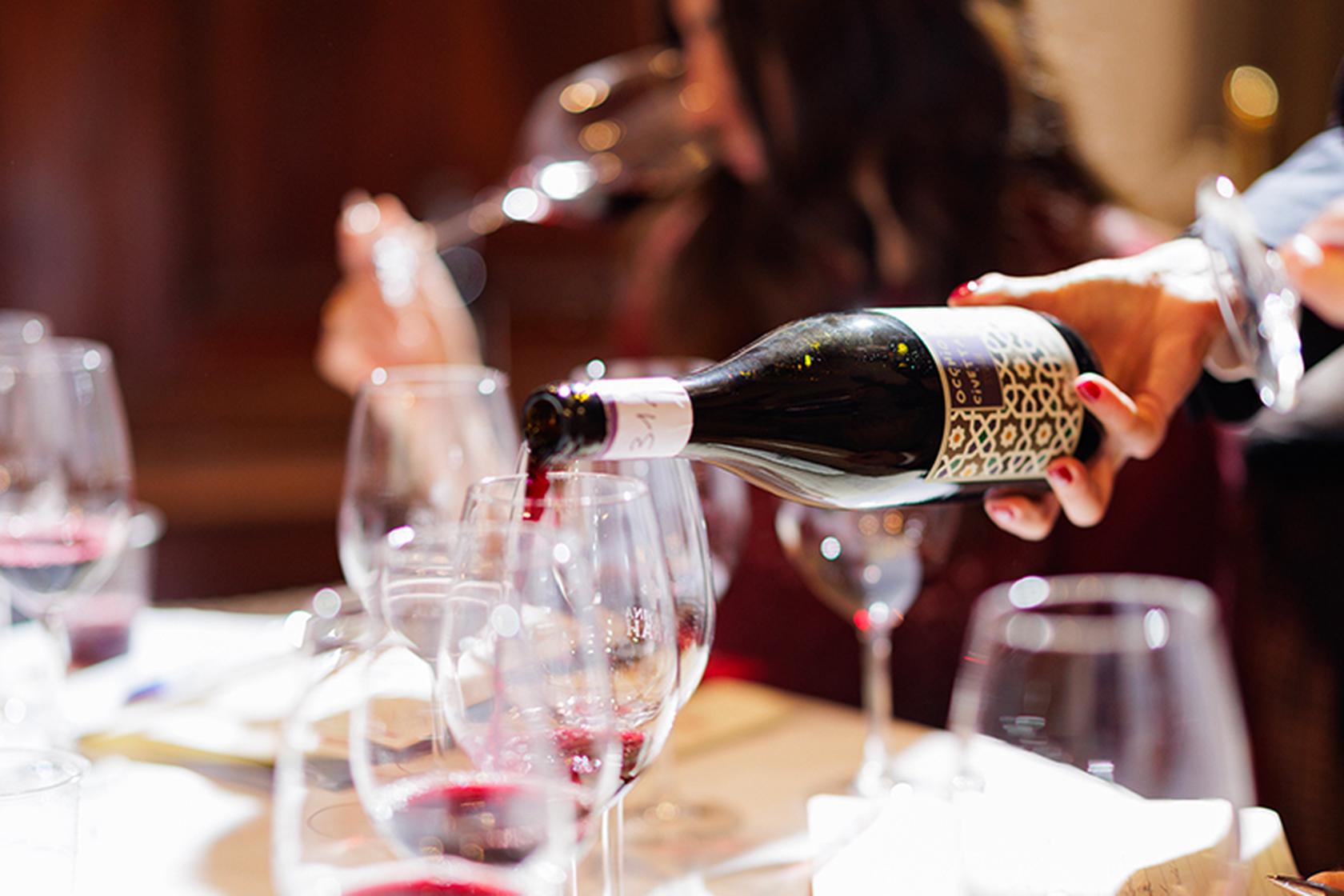
Cortona is one of the main areas producing Syrah wine which has become one of its distinctive specialties. Recently, there has also been an interesting growth among small producers of gin and spirits.
Points of Interest
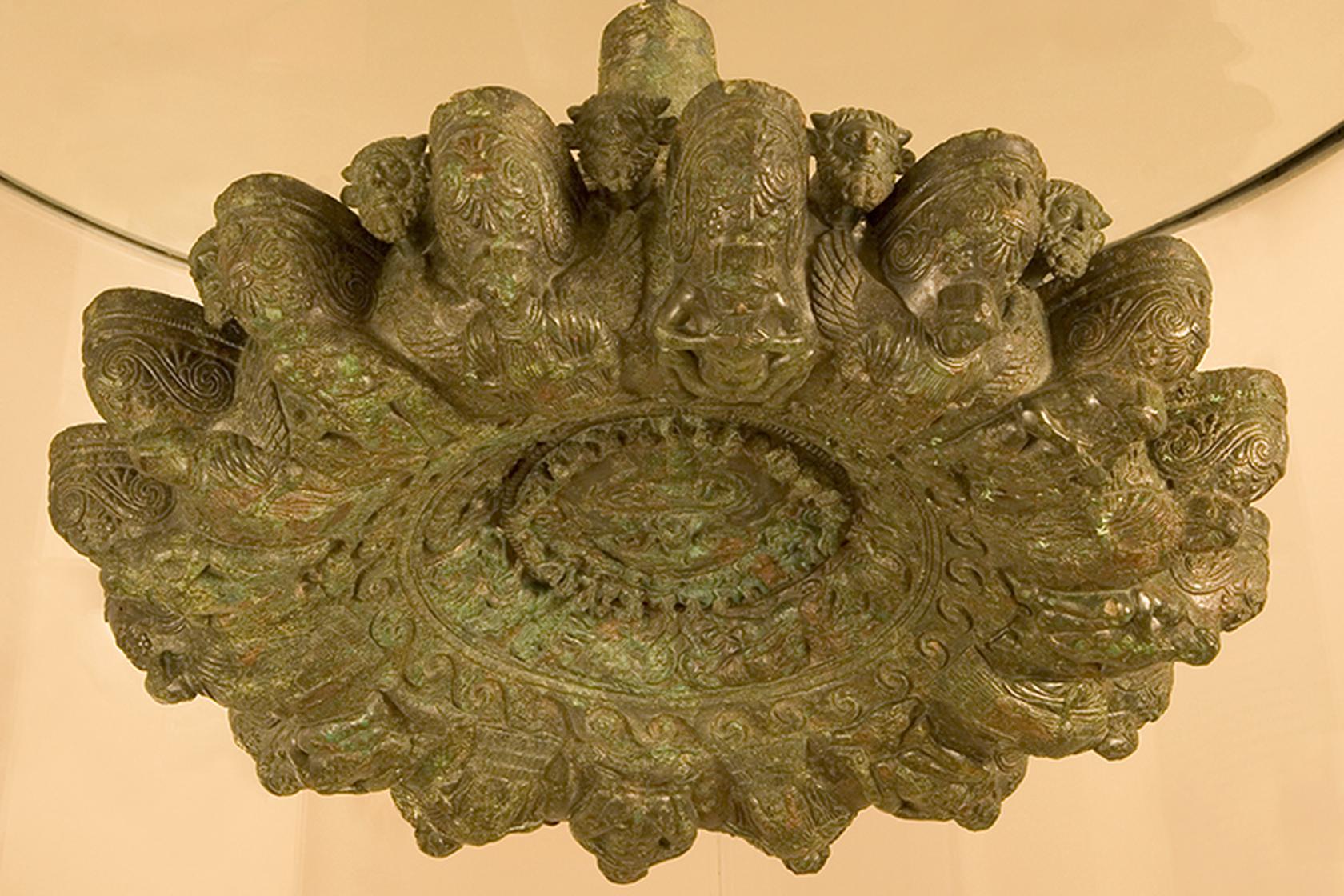
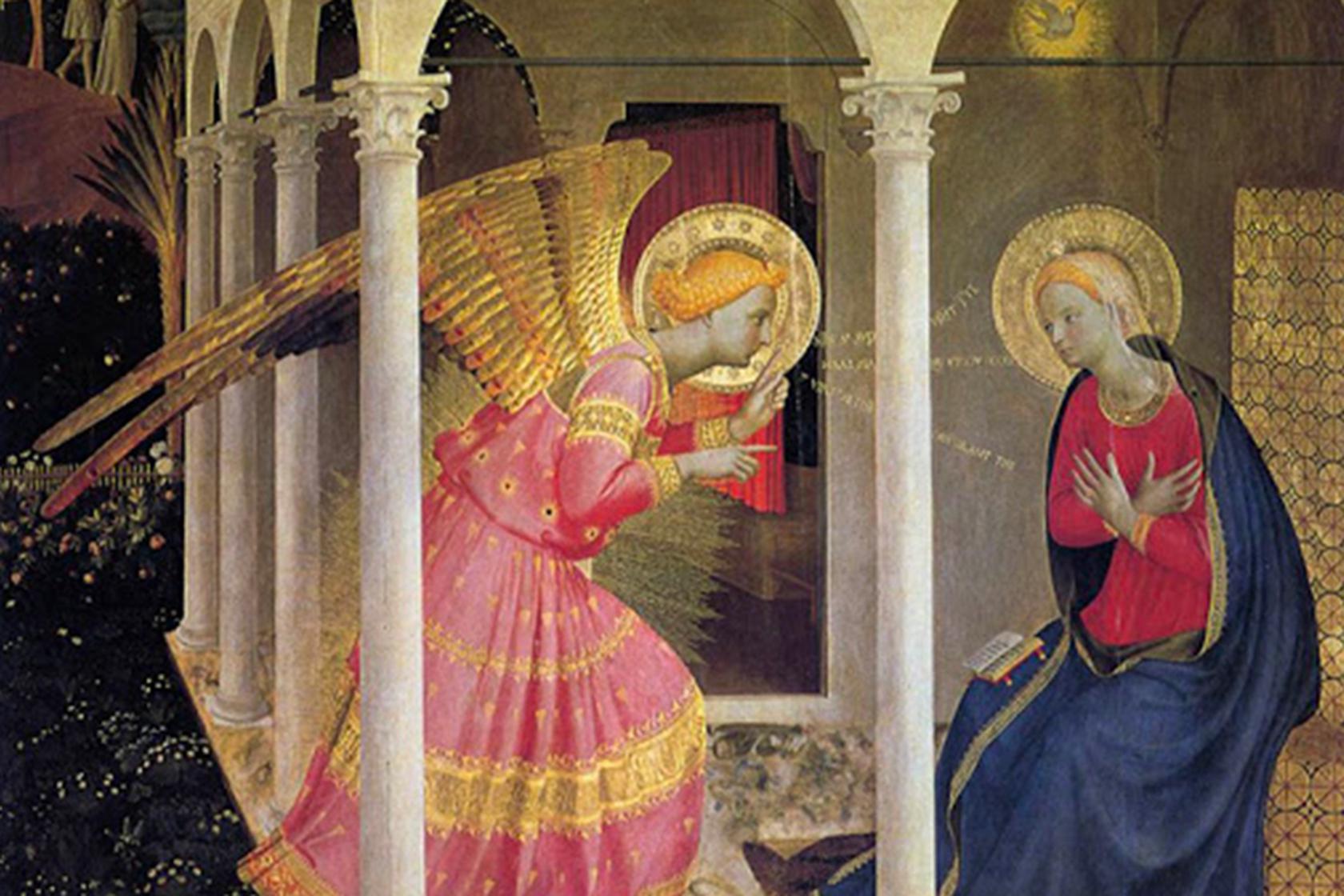
Cortona is a beautiful Tuscan town located in the province of Arezzo, perched on a hill about 500 meters above sea level. Its historic center preserves a strong medieval charm with cobbled streets, ancient stone palaces, and breathtaking panoramic views over the Valdichiana and Lake Trasimeno. The heart of the town is Piazza della Repubblica, dominated by the Town Hall with its impressive staircase. Nearby are Piazza Signorelli, home to the Teatro Signorelli, the Museum of the Etruscan Academy, and the City of Cortona (MAEC) which houses important Etruscan and Renaissance artifacts.
Among the most significant religious sites are the Cathedral of Cortona, the evocative Church of San Francesco, and the Franciscan hermitage of Le Celle founded by Saint Francis of Assisi. The town is surrounded by imposing Etruscan and medieval walls that tell the story of its long history and offer ideal routes for urban trekking enthusiasts.
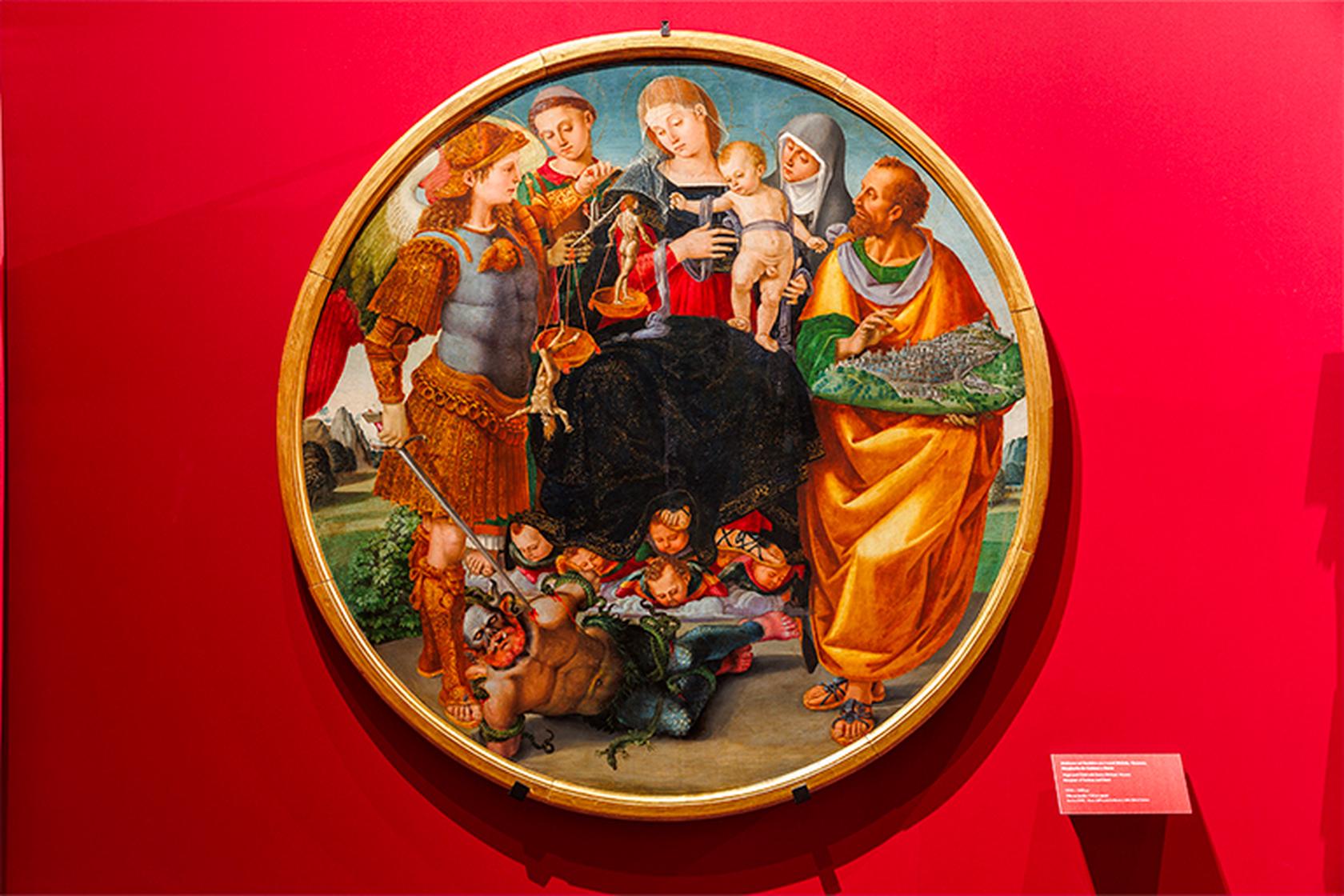
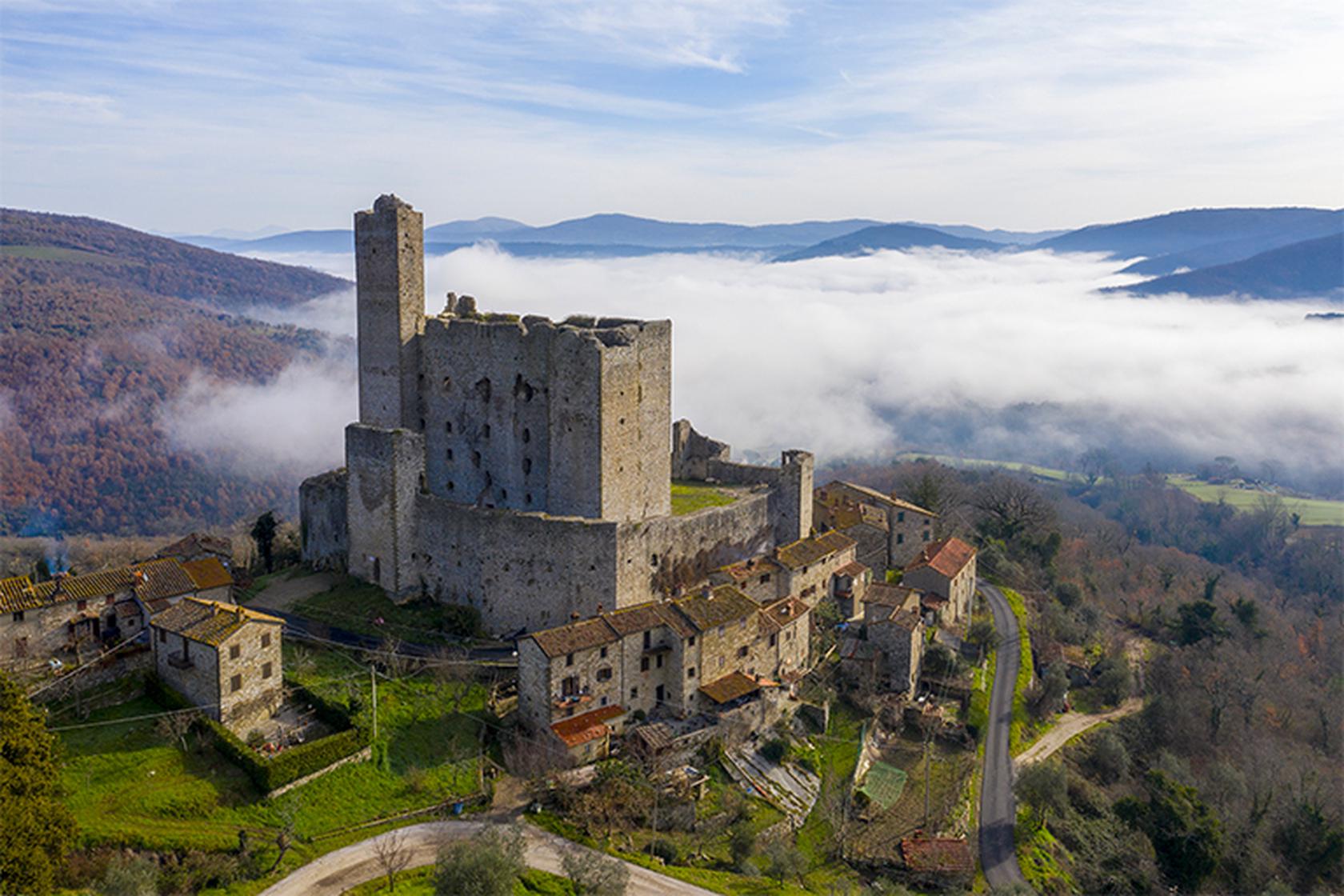
Among the most interesting monuments are the Church of Santa Maria del Calcinaio, a Renaissance masterpiece, and the fascinating Church of San Niccolò which preserves an important work by Luca Signorelli. In the surrounding area visitors can explore the Archaeological Park together with Etruscan itineraries connected to the MAEC, as well as the evocative Rocca di Pierle, including a stop at the parish church of Sant’Angelo in Metelliano.